Gold Country and the Golden Girls

One more exploration adventure between friends and family – Gold Country in Calaveras County.  Yes, THAT Calaveras County – home of the Celebrated Jumping Frog of Mark Twain fame;-)  Here one has the California Gold Rush history, Giant Sequoias at Calaveras Big Trees State Park, historic gold rush towns which are now funky ‘wandering’ areas and, of course, golf.


223 2015 10 5 Columbia001

Mark Twain slept here – REALLY!


Magic had one last very comfortable parking spot amongst the trees in a wonderful setting.  Weather was perfect also – so we enjoyed lots of time in our outdoor living room while here.
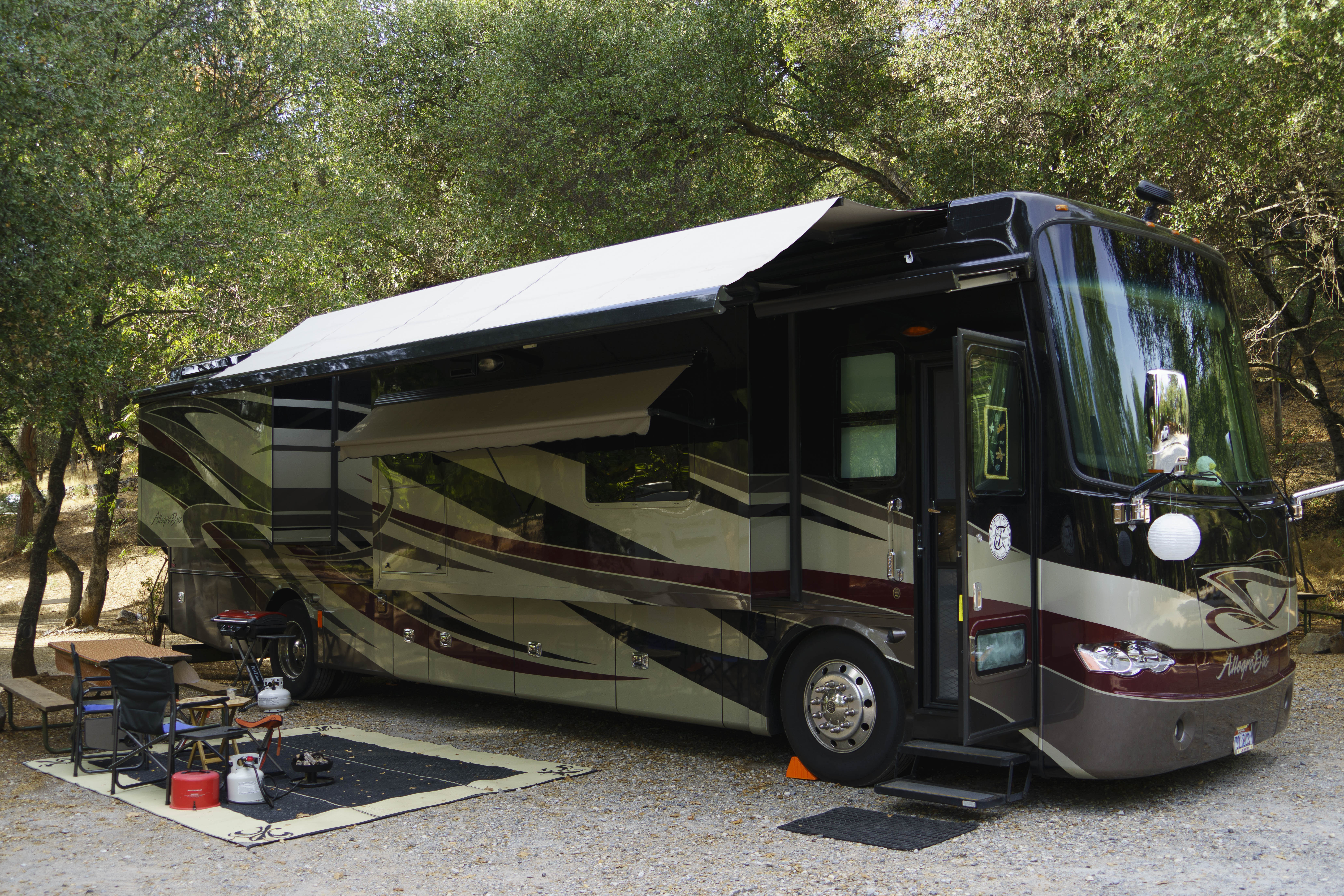
 

224 2015 10 5 Columbia010

Magic’s spot in 49’er gold country.


Amidst the rugged oak woodlands of the Sierra Nevada foothills lies Columbia State Historic Park.  On March 27, 1850, a group of prospectors discovered gold here.  Within six weeks their findings attracted thousands of miners and “Columbia” was born.   Two-thirds of the original miners were Mexican, but by the summer of 1850 many had left due to the exclusionary Foreign Miner’s Tax, which required foreign-born miners to pay the state $20 a month for the privilege of mining.  By 1852 more than 150 stores, saloons and other business enterprises were operating. By 1853, Columbia was one of the largest cities in California with an estimated population of 25,000 to 30,000.  But, as mining dwindled in the late 1860’s, Columbia began to decline.  By the 1940’s the buildings of Columbia had deteriorated to the point that many were considered unsafe.  During that period, the state of California bought the town and it became a State Park.  Restoration efforts began on the 150 year old structures to preserve their historic value.  Today Columbia State Historic Park contains the state’s largest collection of gold rush era structures.


225 2015 10 8 Columbia 001

The old Main Street of Columbia, California – a little quiet this time of year.


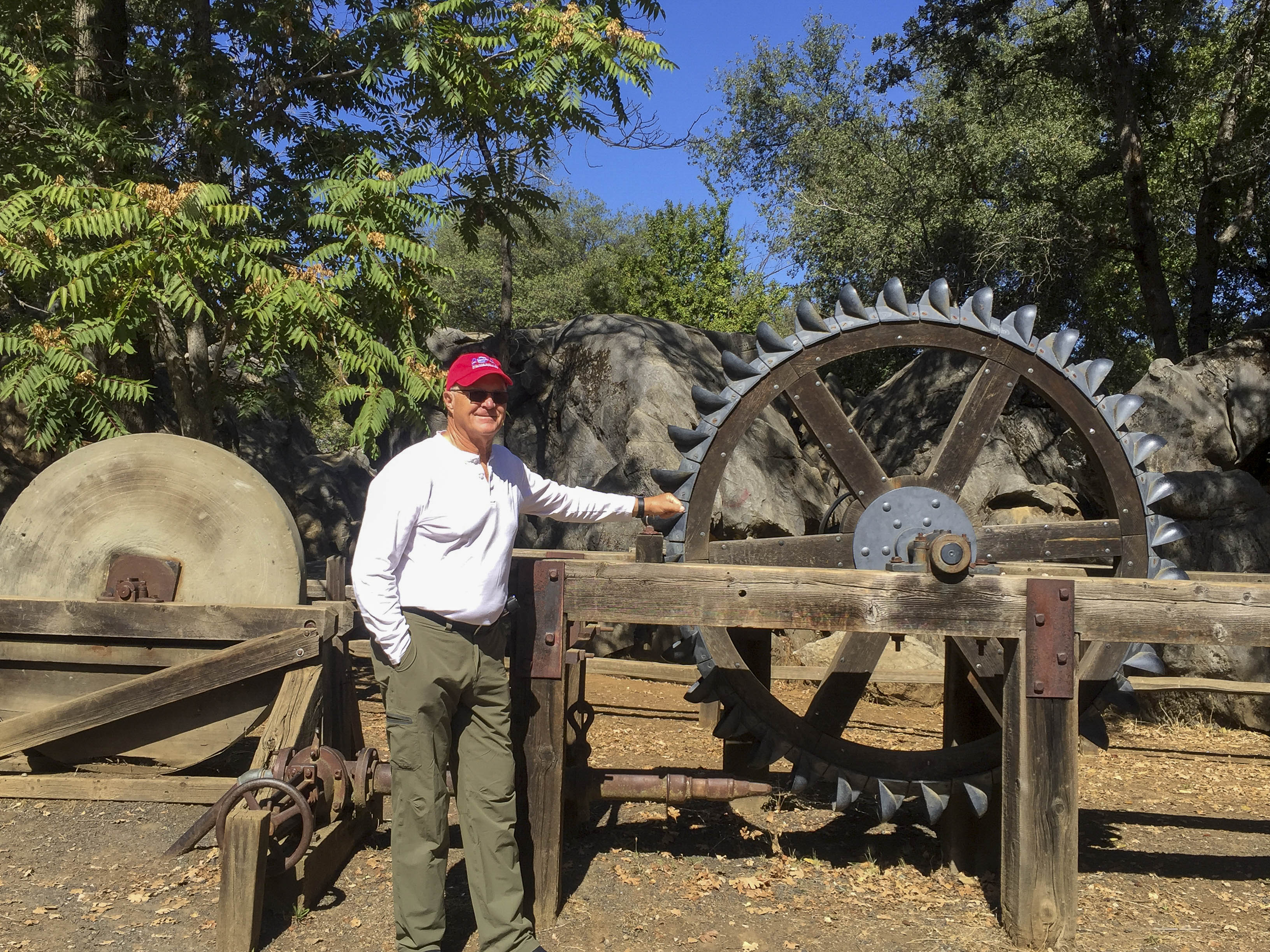
Water was important to the mining operations in the area.  Several ‘water’ companies were formed to build complex systems of wooden flumes, pipes and ditches to convey river water from the Stanislaus to Columbia.  With water available the miners would remove dirt and wash it through a system of sluices to remove the gold.
 

226 2015 10 5 Columbia017

Lots of gold mining equipment was on display.


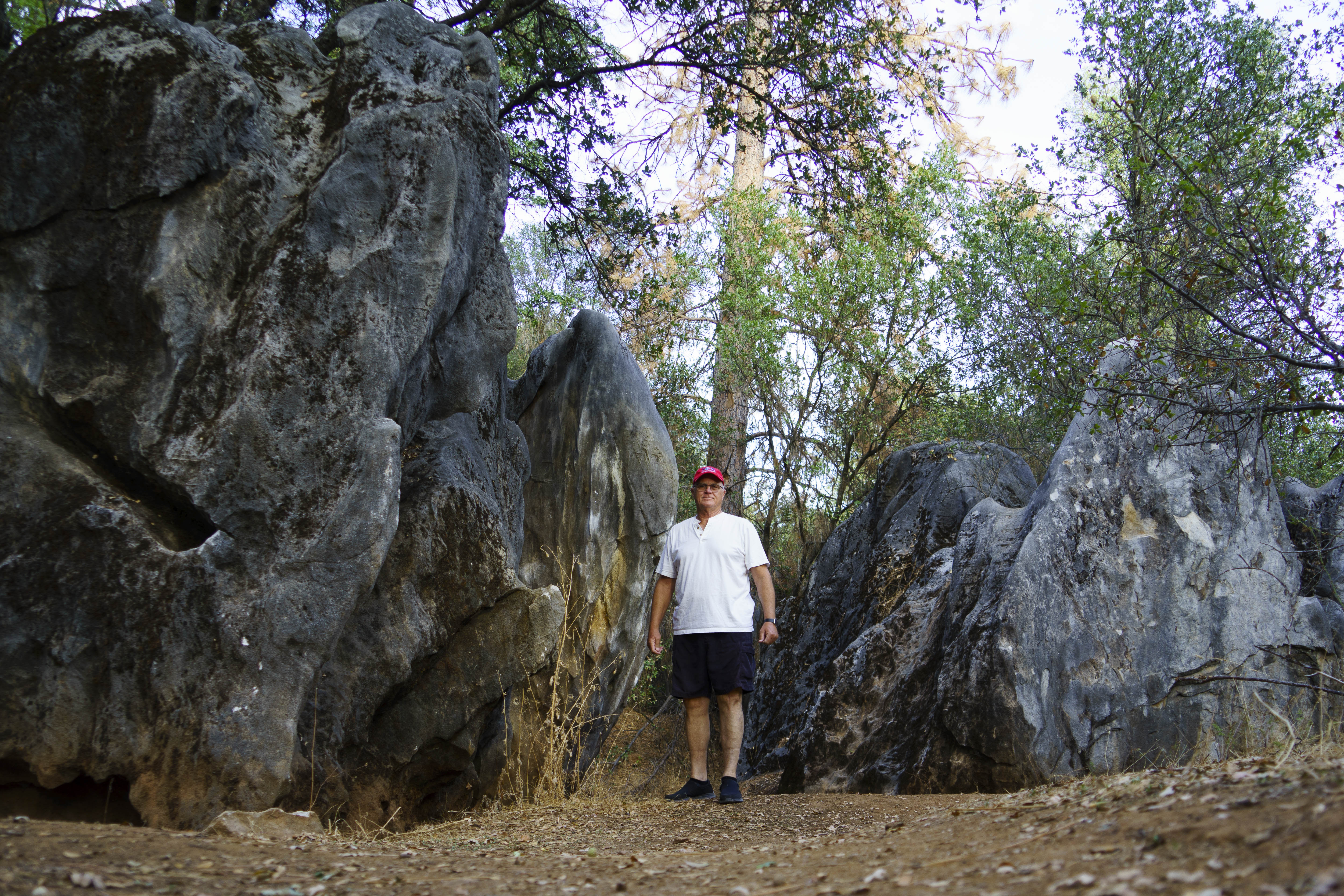
They also used the water shooting it through high pressure hoses to wash away the dirt around the limestone to expose the gold.   This process has left large limestone boulders in the landscape – looking very misplaced.
 

227 2015 10 8 Columbia 008

These rocks were underground before the mining operations used highly pressurized water techniques that blew all of the surrounding dirt (and gold) into processing flumes.


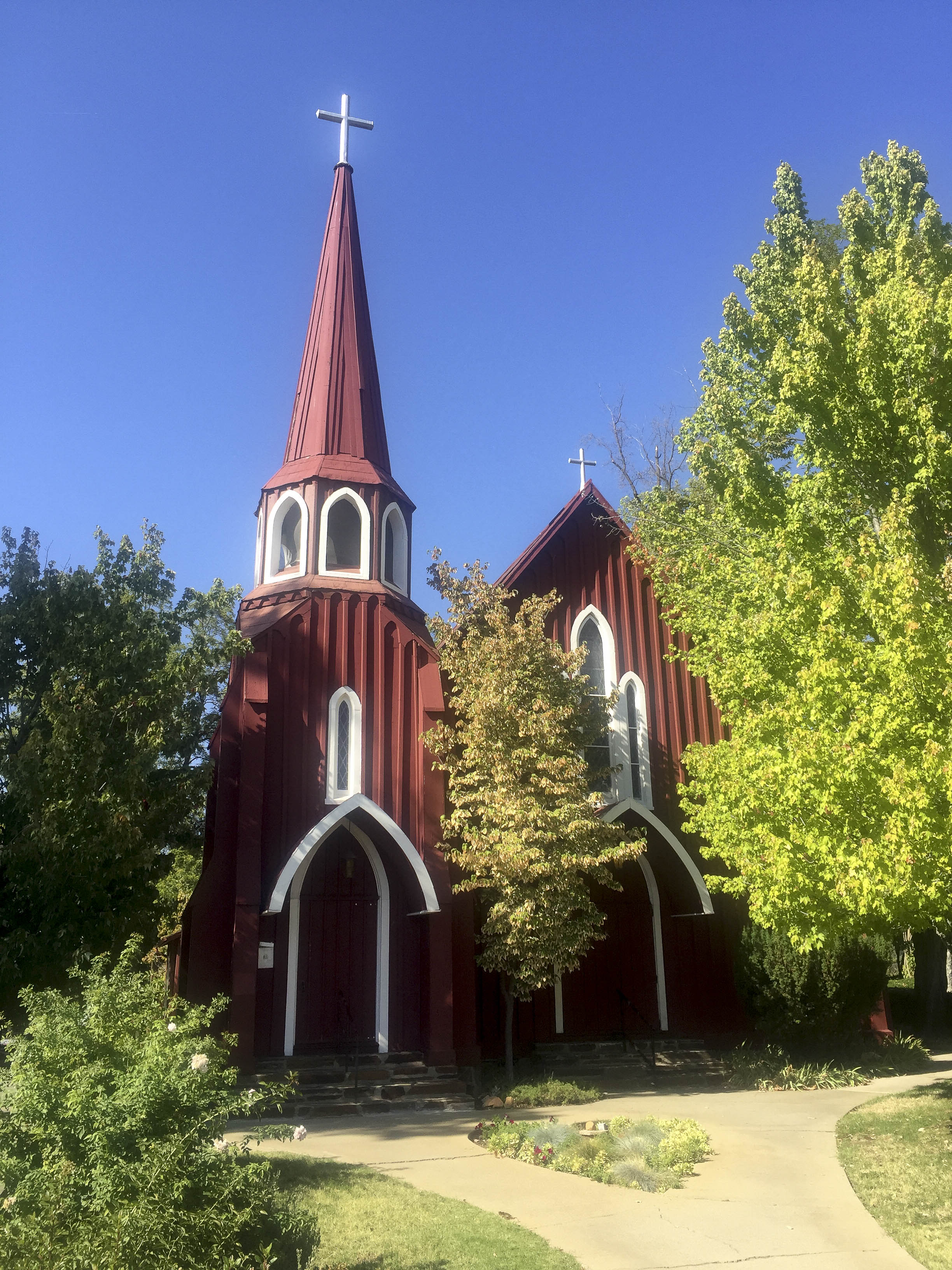
The second of the mining towns in the area was Sonora – Queen of the Southern Mines.  Unlike Columbia, Sonora has thrived through the years – possibly because it is the County seat.  But, there is still much history here, as exemplified in many of its buildings.  We especially loved the Old Red Church, built in 1859 and sets at the top of Main Street watching over the town – –
 

228 2015 10 6 Sonora003

The Old Red Church in Sonora, California.


Natural beauty also abounds in the area.  Not far away is the Calaveras Big Trees State Park – home to two magnificent groves of Giant Sequoias.  We will NEVER miss an opportunity to visit these sage old trees and to walk among their old souls.  They DO speak to you if you stop and listen.  AND – they are HUGE!!!


The first of these large trees found back in 1852 created quite a stir.  A year after its discovery, the tree – sadly – was felled by ambitious speculators.  Since no saw was large enough, the tree was felled with long-handled pump augers and wedges.  It took five men 22 days to drill all the holes and even then the tree did not fall for several days.  The tree was so large that the remaining stump was planed smooth to serve as a dance floor and a two-lane bowling alley and bar were built on the fallen trunk!!


229 2015 10 7 Big Trees 002

G on the stump of “the Discovery Tree” that is 30+ feet in diameter (and over 1,244 years old).


These Giant Sequoias (also known as sierra redwoods) are the largest living things ever to exist on the earth – Some living over 3,000 years.  AND – they are very tall.  The best way to look up at them is to sit on the special benches built for just that – –


230 2015 10 7 Big Trees 008

Benches for easier viewing of the Giant Redwoods.


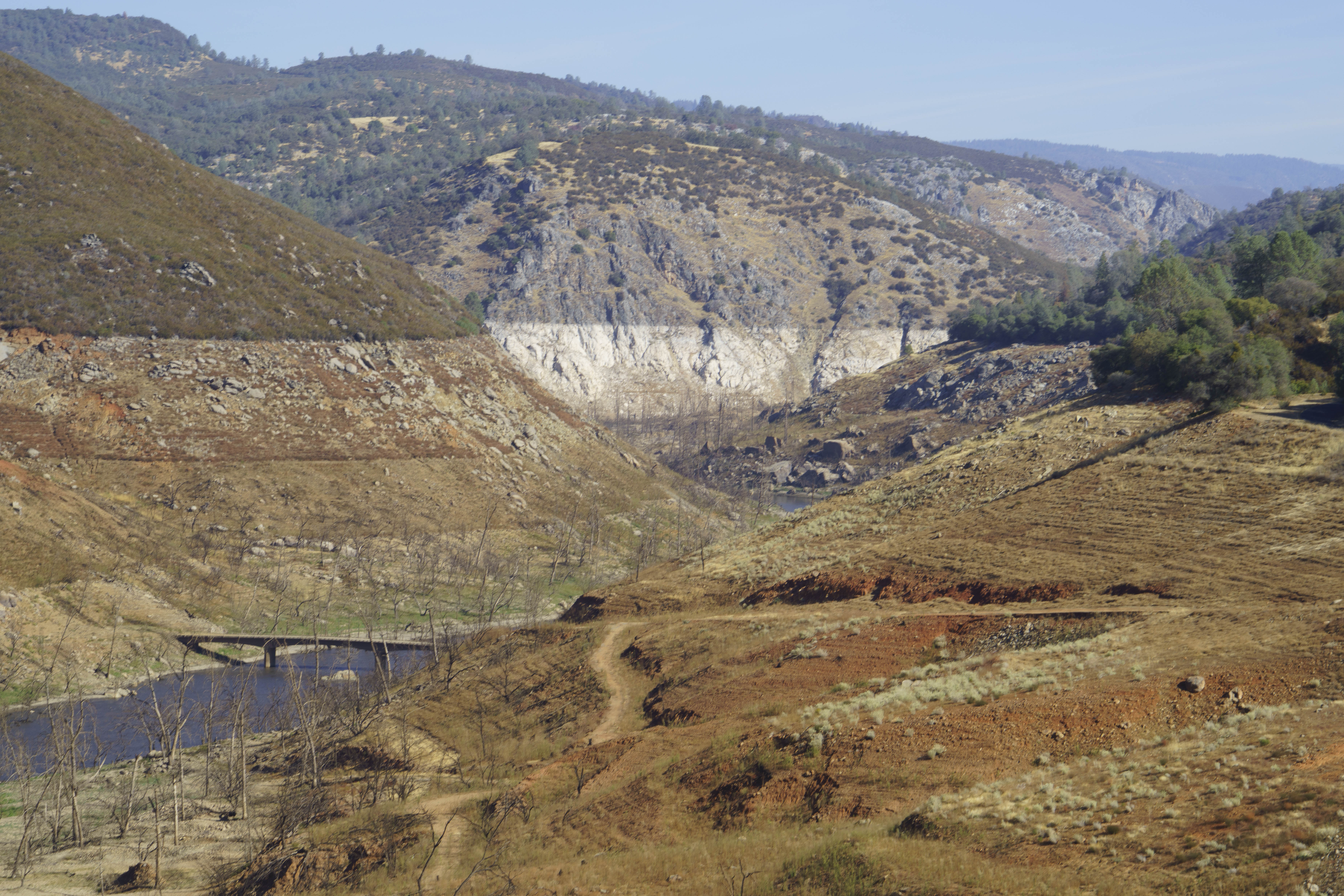
From the beauty of the Sequoias to the reality of the water shortage in CA.  Several times we crossed what is now a river but used to be New Malones Lake.  One can very plainly see the water mark of the water level just a short four years ago.
 

231 2015 10 5 Columbia004

Graphic example of the effects of the California drought.  The bridge in the bottom of the picture was left from long ago before the dam created New Malones Lake.


Well – our last little adventure was complete and we were off to one last family visit – daughter Heather and family (Christian, Haley, Kira & Olivia) in Lemoore.  There were several wonderfully fun days with dinners, playground visits, football games, movies AND a sleepover in the Bus;-)
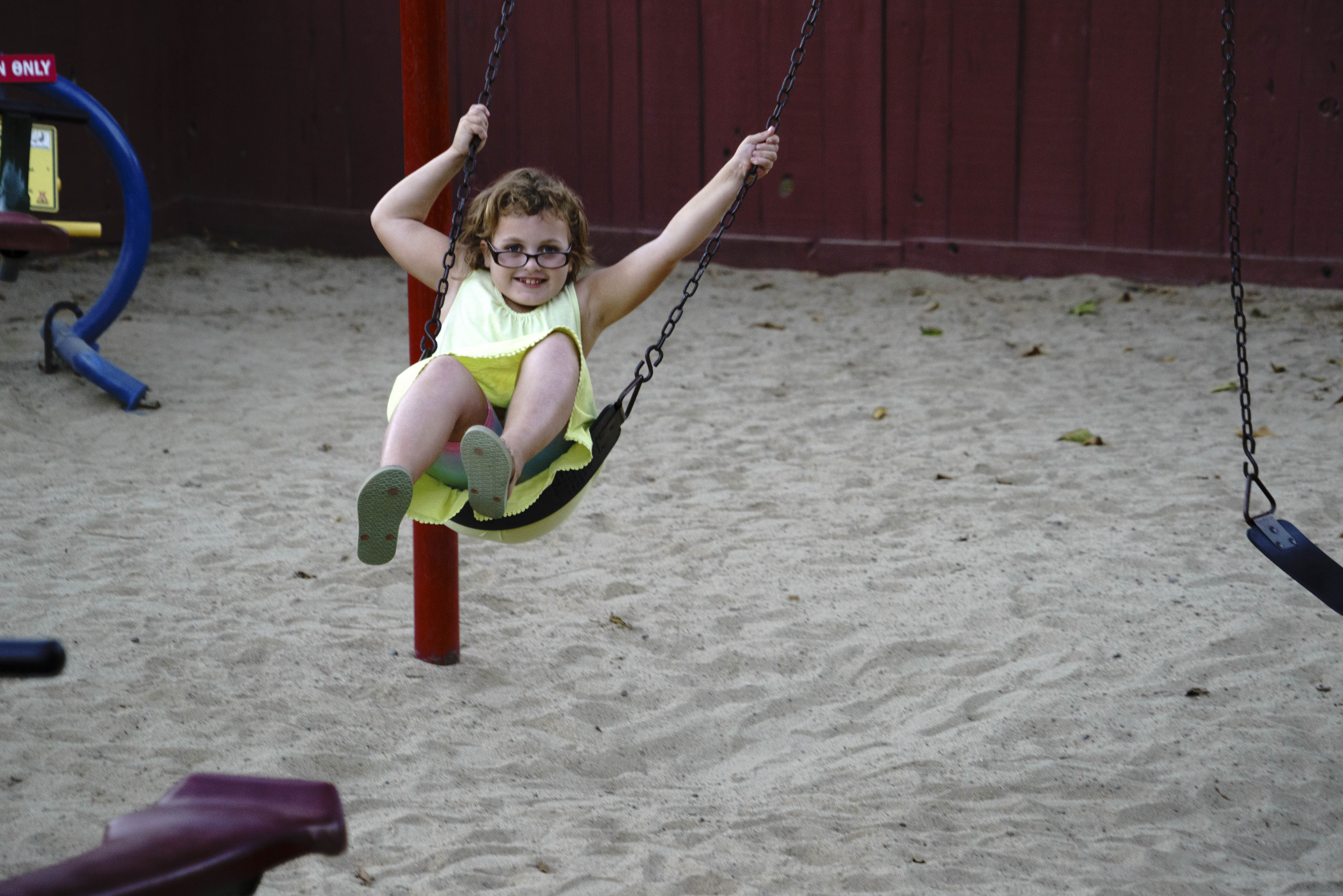
 

232 2015 10 10 Lemoore 004

Haley swang…


233 2015 10 10 Lemoore 003

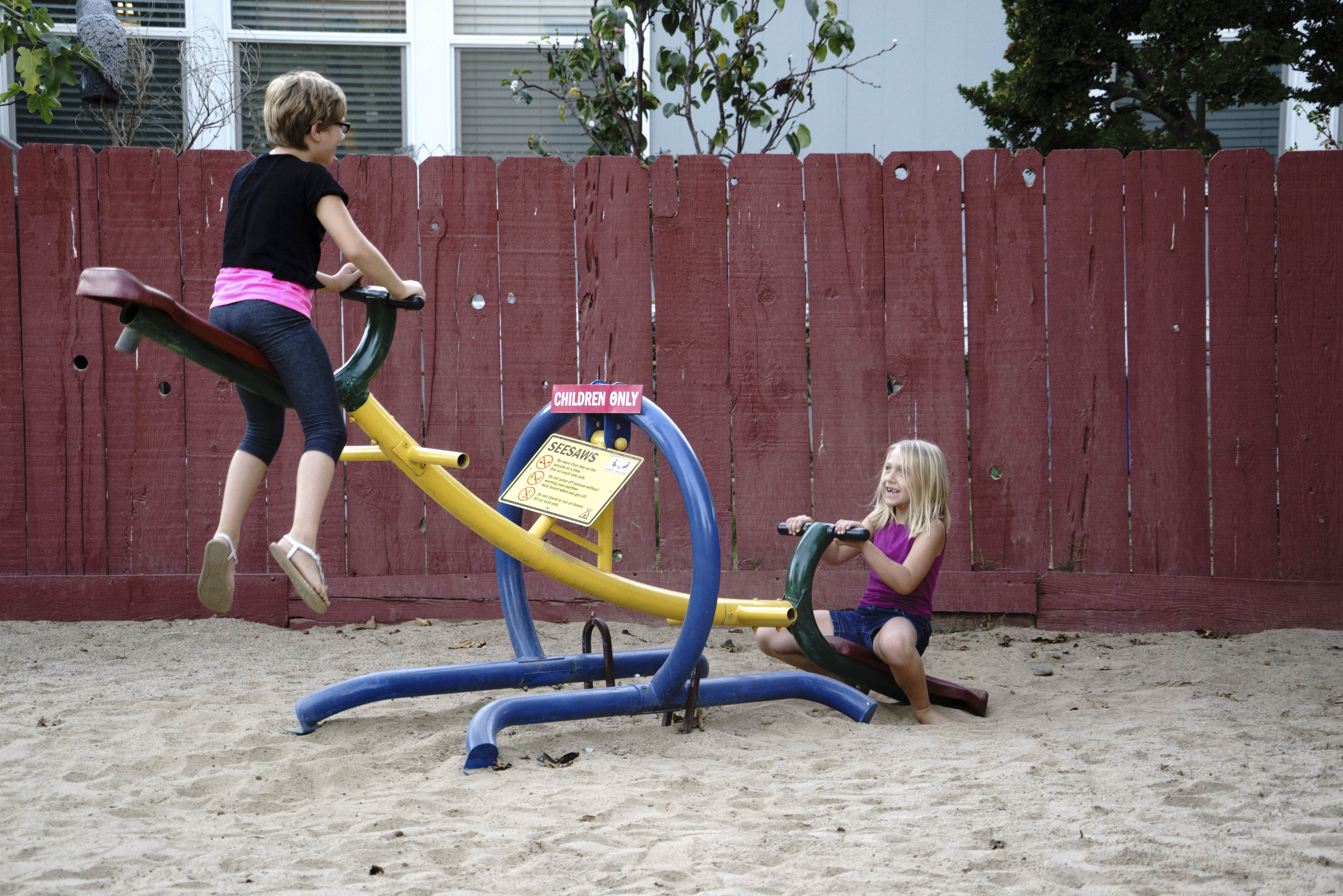
Olivia and Kira seesawed…


234 2015 10 10 Lemoore 001

and Kira, well, you get it. We were having so much fun that Gramps forgot to take many pictures.


Hard to believe – but, we were just a few days short of being on the road for 5 months!  So – it was finally time to close up Magic and to head home.


235 2015 10 10 Lemoore 007

All good things must come to an end. Magic, please take us home.


E & G – On our way – ‘home again, home again, jiggity jig’
Santa Rosa – A VERY Friendly Place

Down to our final 2 weeks and what better way to spend it than with lots of family and friends;-)


Santa Rosa IS a VERY friendly place – one of our favorites in the wine country area.   AND – we have the advantage of knowing lots of friendly people in the area.  Although our stay here was a whirlwind three days, we had several wonderful visits.


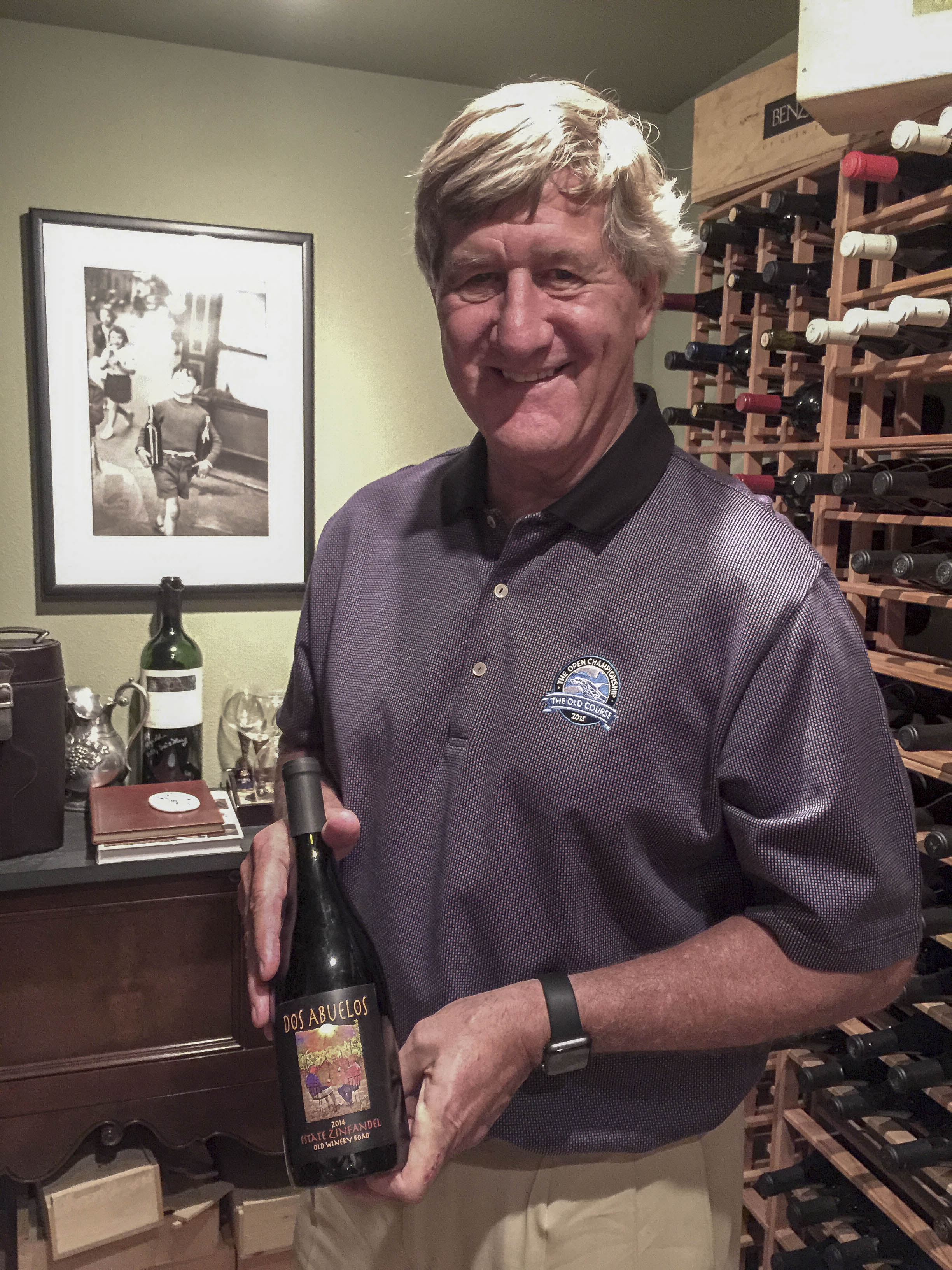
First up – the Gibbon’s.  An afternoon of golf followed by dinner at their wonderful home and a tour of John’s vineyard and winemaking operation.  A very proud wine master AND some very nice wine –


219 2015 10 01 Gibbons002

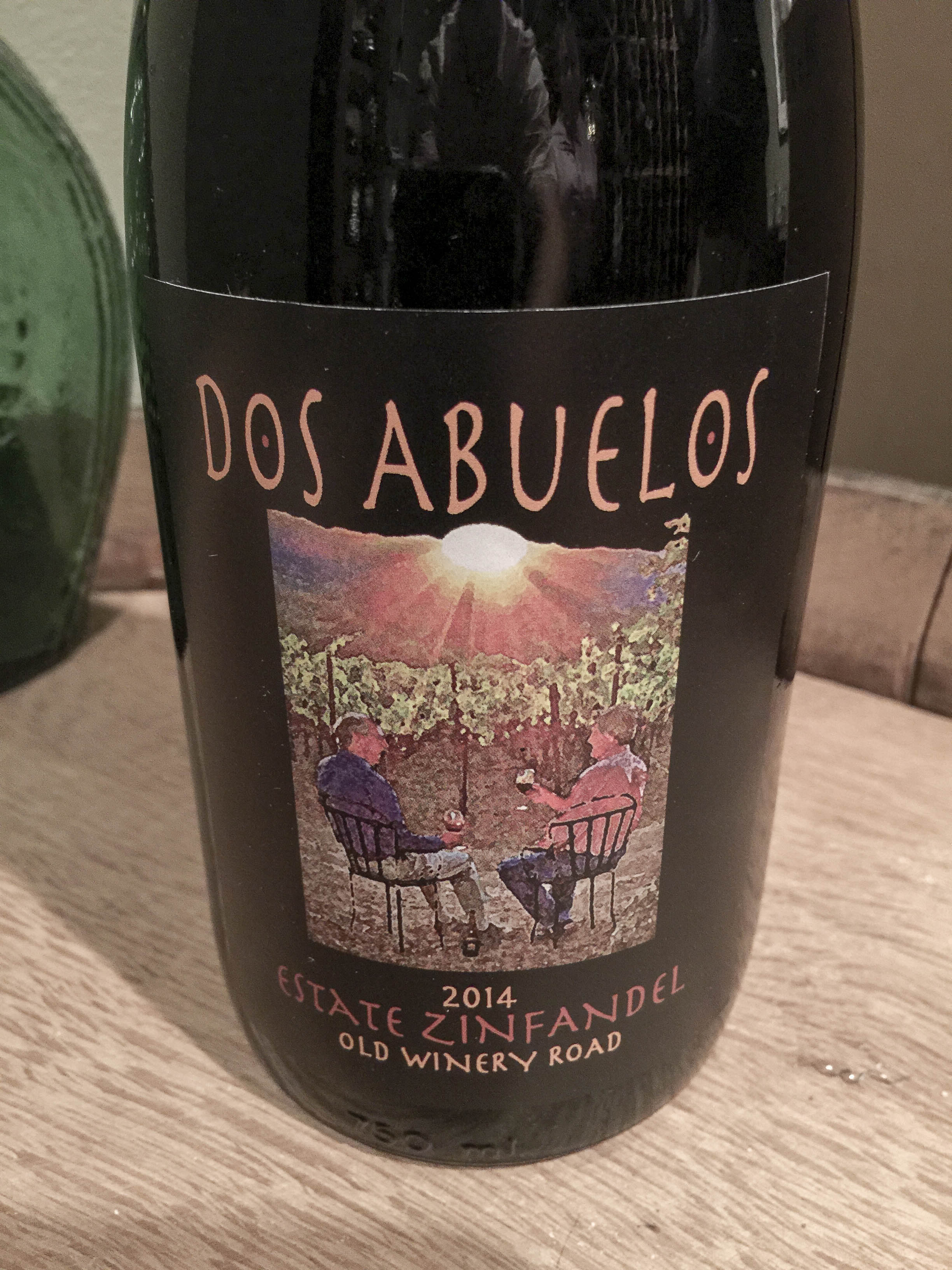
John with his most recent bottling of Zinfandel from…


220 2015 10 01 Gibbons004

…the Dos Abuelos (2 grandfathers) winery which is owned by John and a good friend. They also handle all of the labor involved.


Next we had a fantastic lunch with new friends – the Pascoe’s (parents of skier Ted’s new bride) at their home high above Santa Rosa.  The views were spectacular and getting to know Jan and John gave us a very pleasant afternoon.


One more day – spent with the Clarke’s.  A round of golf, followed by a little wine tasting then another lovely dinner at their home.


221 2015 10 02 Clarkes 002

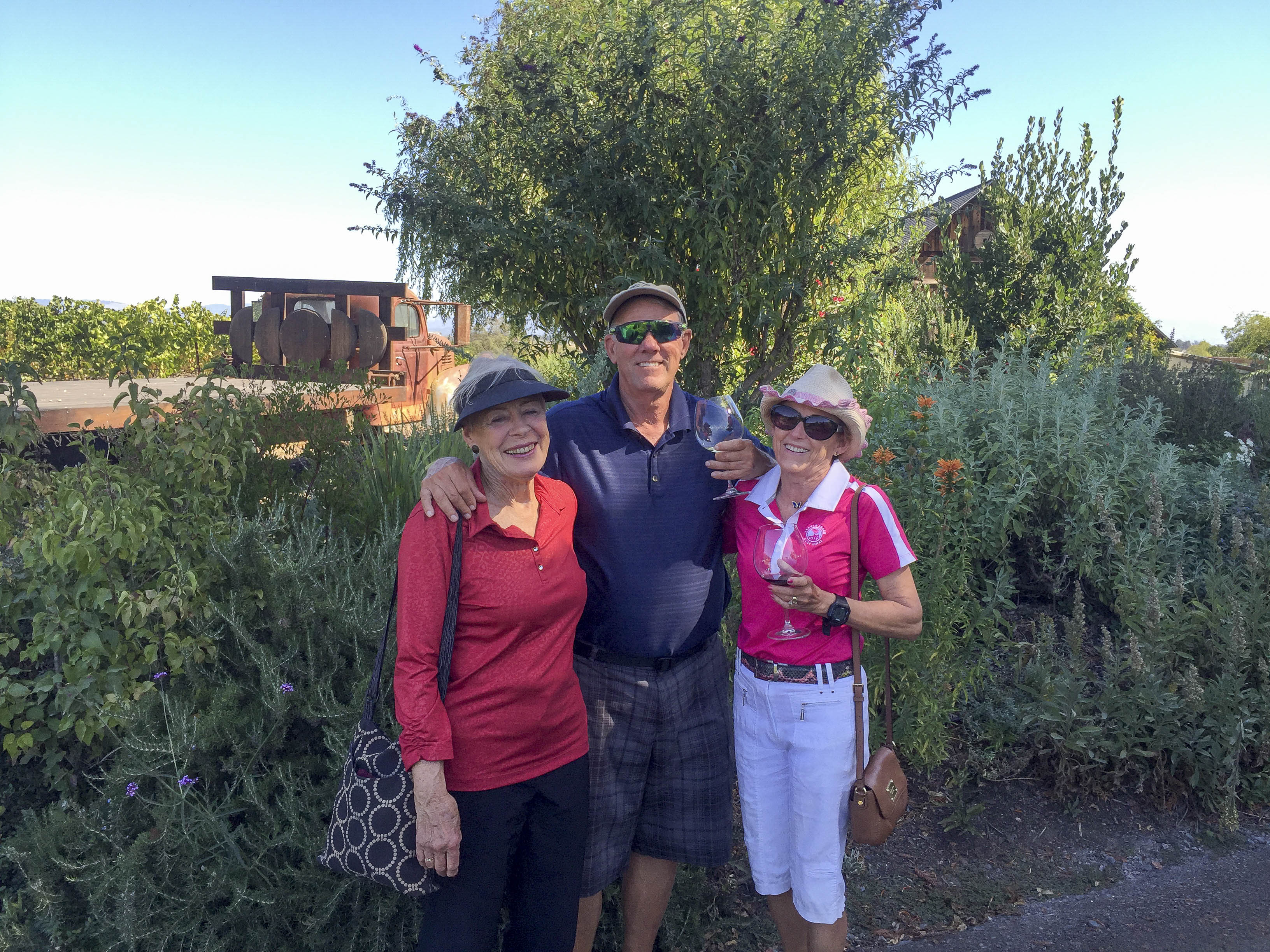
Sampling the wine while wandering the grounds.


222 2015 10 02 Clarkes 004

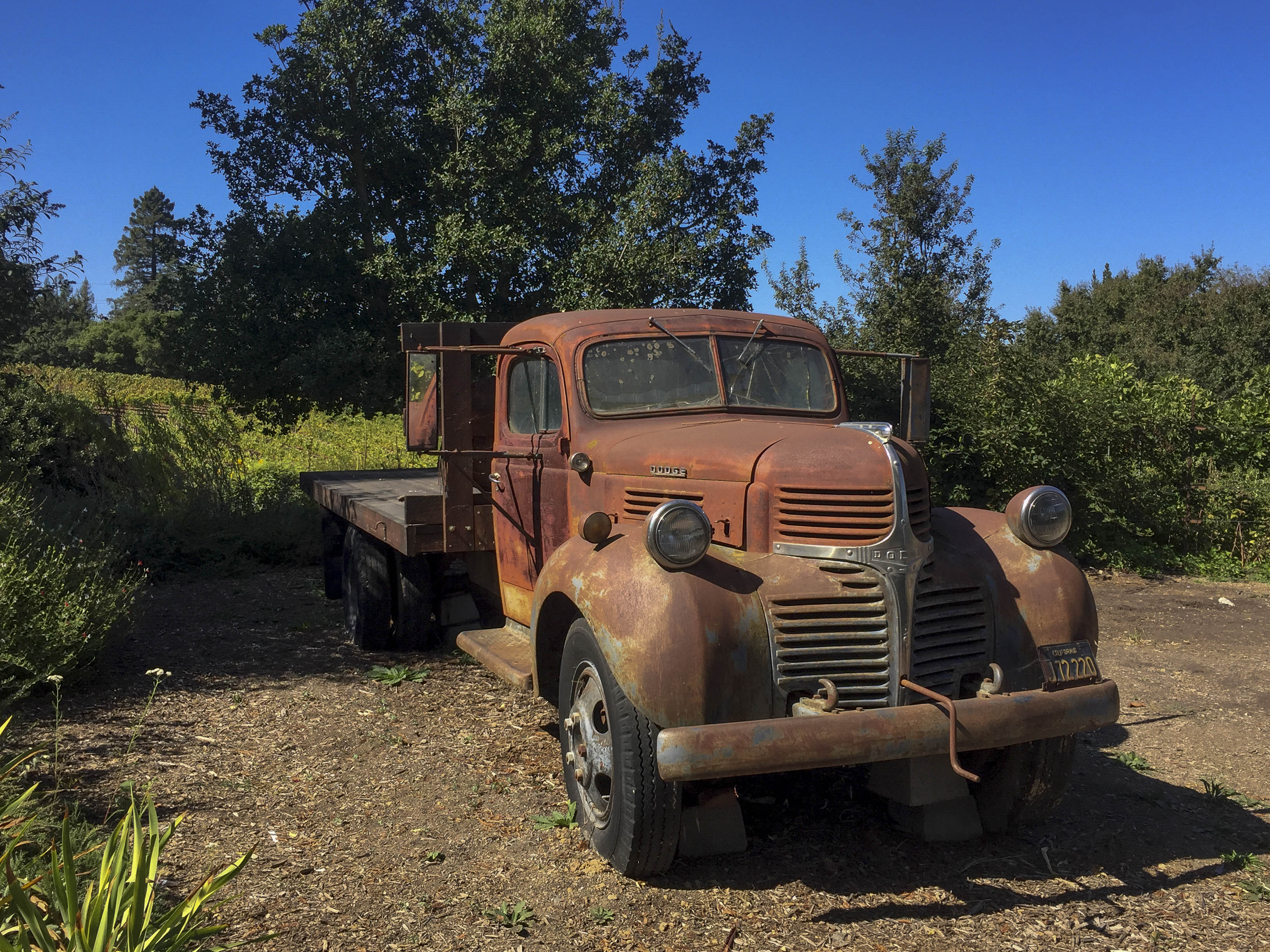
Enjoyed seeing this old relic (something older than us!!).


One can NEVER get enough of family and friends to make our days;-)  A HUGE thanks to those in Santa Rosa for opening their homes to us.


Elizabeth & Gary feeling warm and fuzzy.

More North Cascades Volcanoes

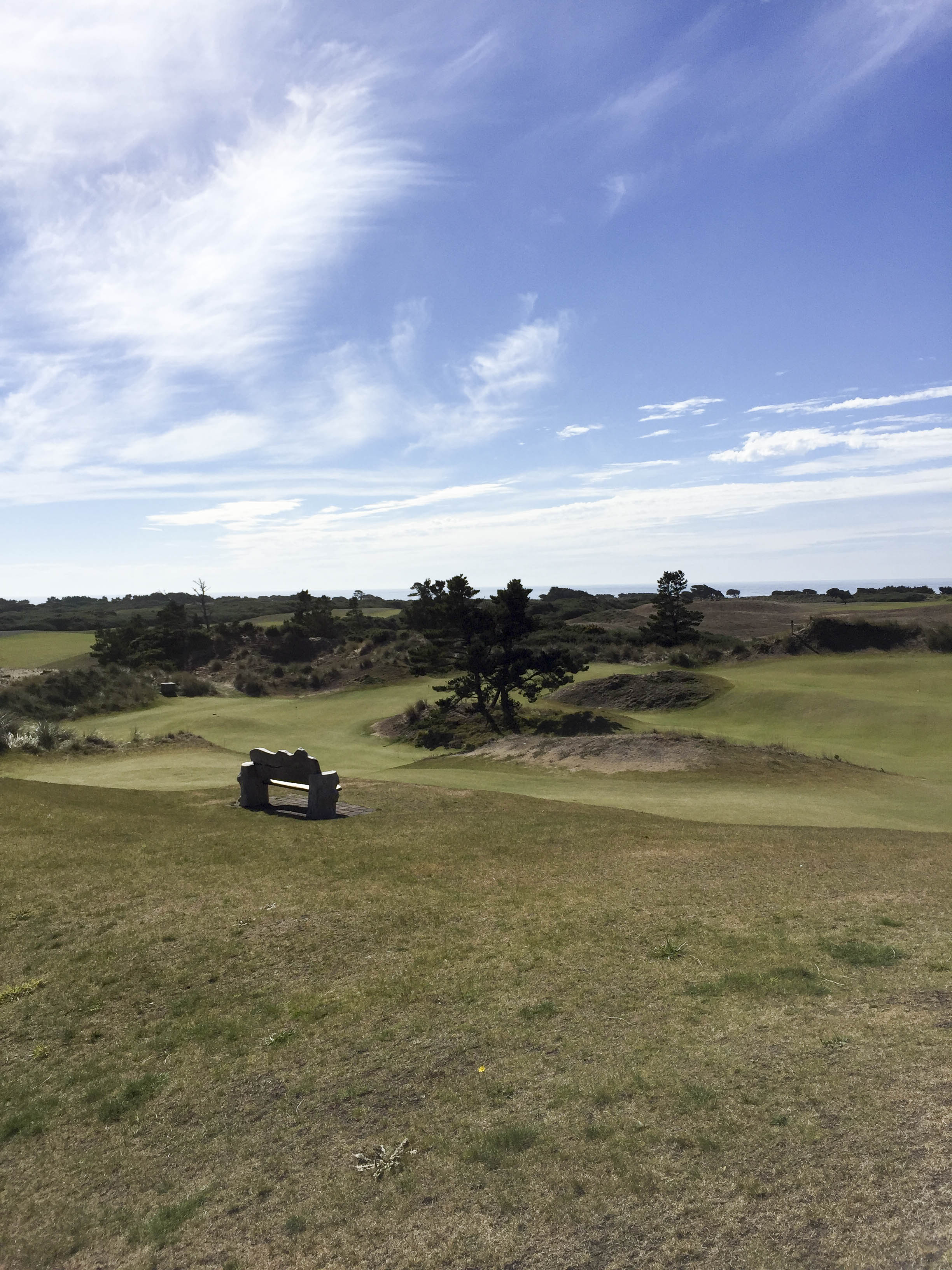
It was time to move on as the last of the North Cascades Volcanoes were waiting for us in Northern California.  BUT – before Magic pulled out we took one last look at the Punch Bowl at Bandon on another beautiful day – –


199 2015 09 24 PunchBowl

Farewell Bandon Dunes.


Perhaps you will remember from the June posts of our visits to the Washington State National Parks, this summer’s quest was to visit the volcanoes in the North Cascades chain that extends from southern British Columbia to northern California – Mount Baker, Mount Rainier, Mount Adams, Mount St. Helens and into California are Mount Shasta and Mount Lassen.  The first four were on the agenda as we covered the state of Washington – with a promise that the last two would be covered at the end of this summer’s trip.  AND – here we are.


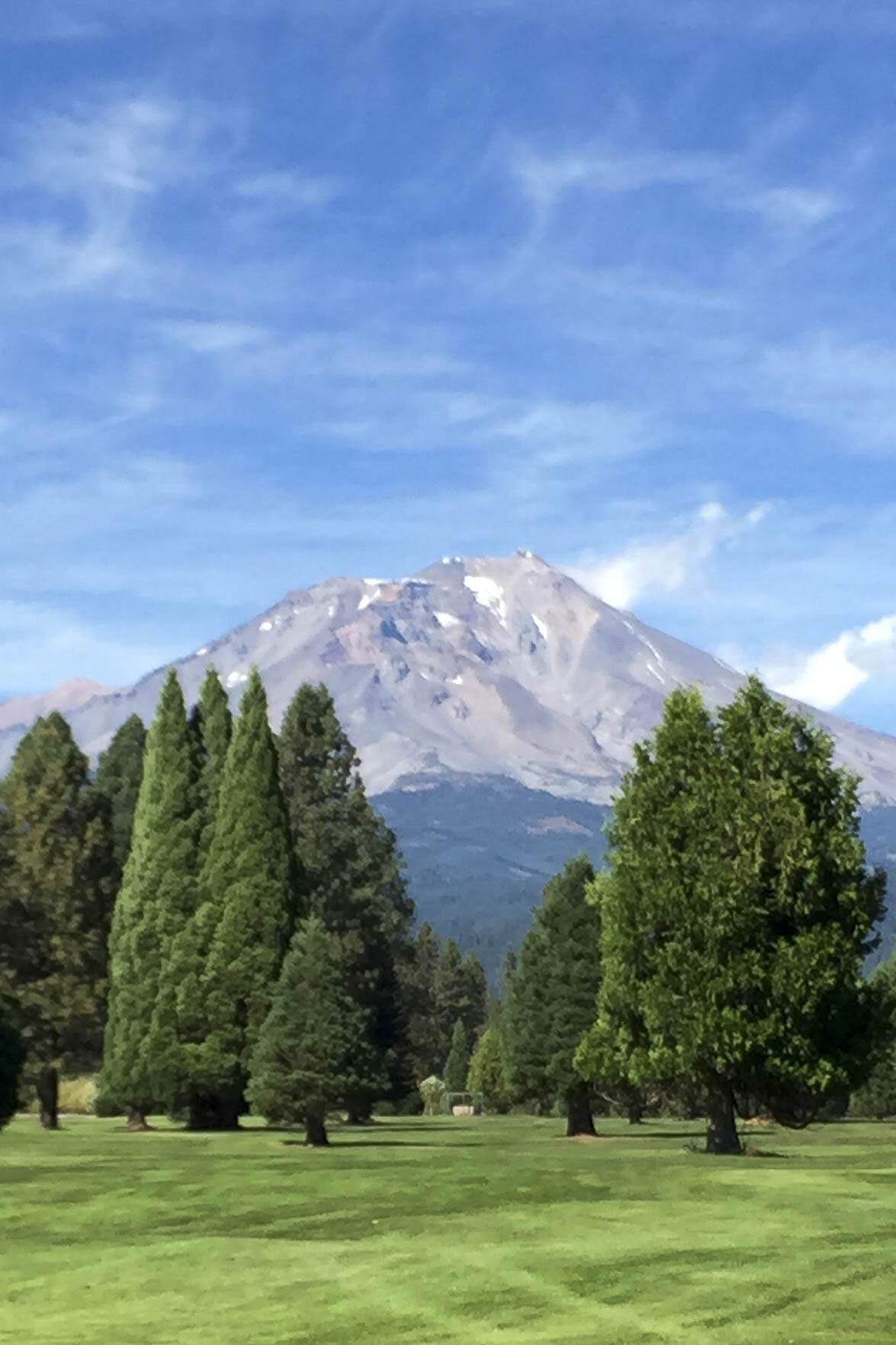
Mt. Shasta, at 14,179 feet, is the second highest peak in the Cascades and the most voluminous of the Cascade Volcanic Arc.  It is classified as a dormant volcano, but geologists expect that it will erupt within the next several hundred years (probably won’t be around to see it;-)  )  It does reign over the northern half of California’s great central valley and provided a beautiful backdrop for our round of golf.


200 2015 09 26 Shasta 003a

Mt. Shasta towers over McCloud Golf Course.


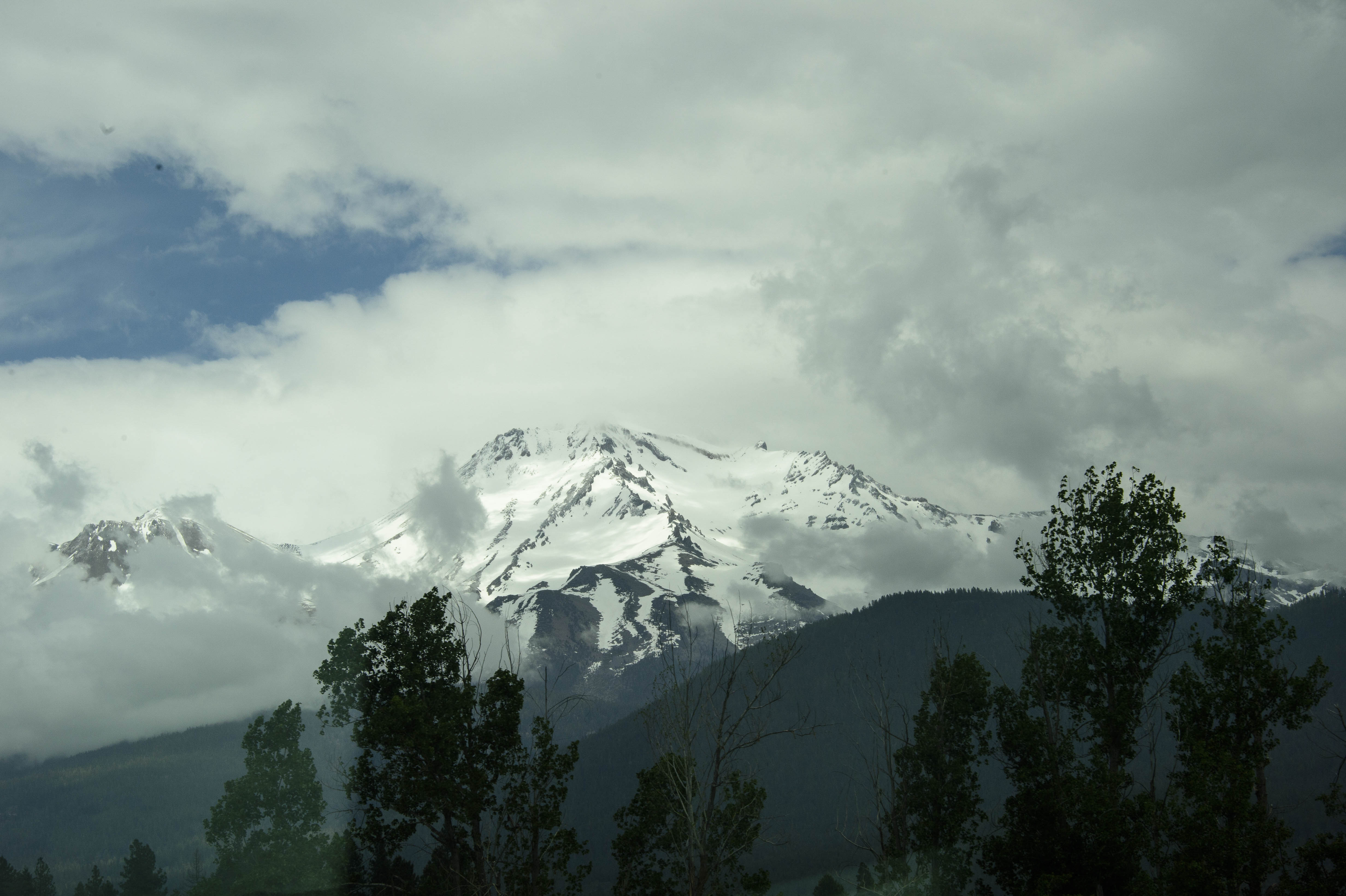
It really was even more beautiful with its many layers of snow in June, which have long since melted – –


201 2015 09 26 Shasta 003

View of Mt. Shasta as we passed by the area in June.

(BTW – Shasta Beverages DID get their start near Mt. Shasta in 1889!!  Originally called Shasta Mineral Springs Company, the firm first sold naturally carbonated spring water.  SO – G’s comment “It hasta be Shasta” back in our June post was appropriate.)


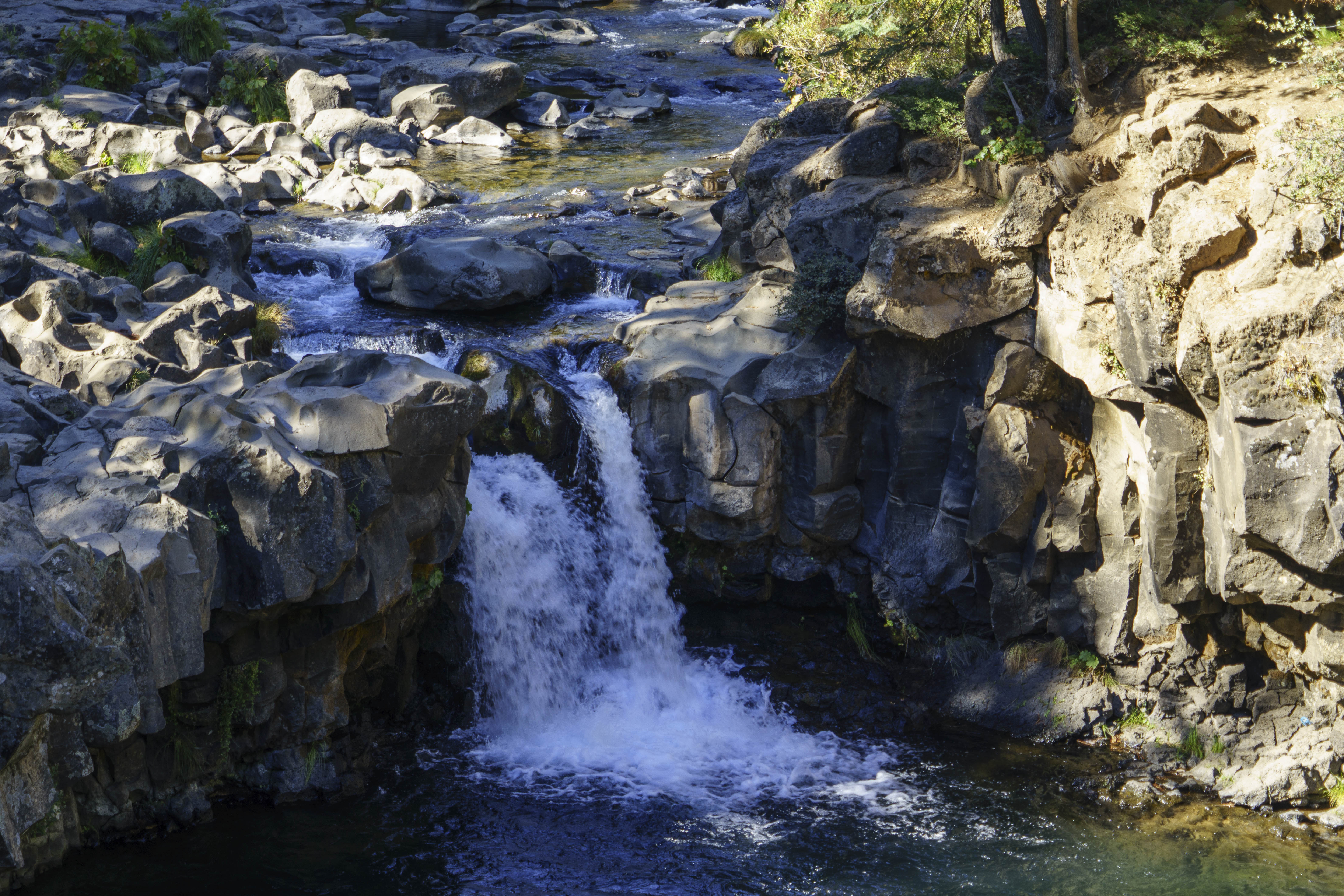
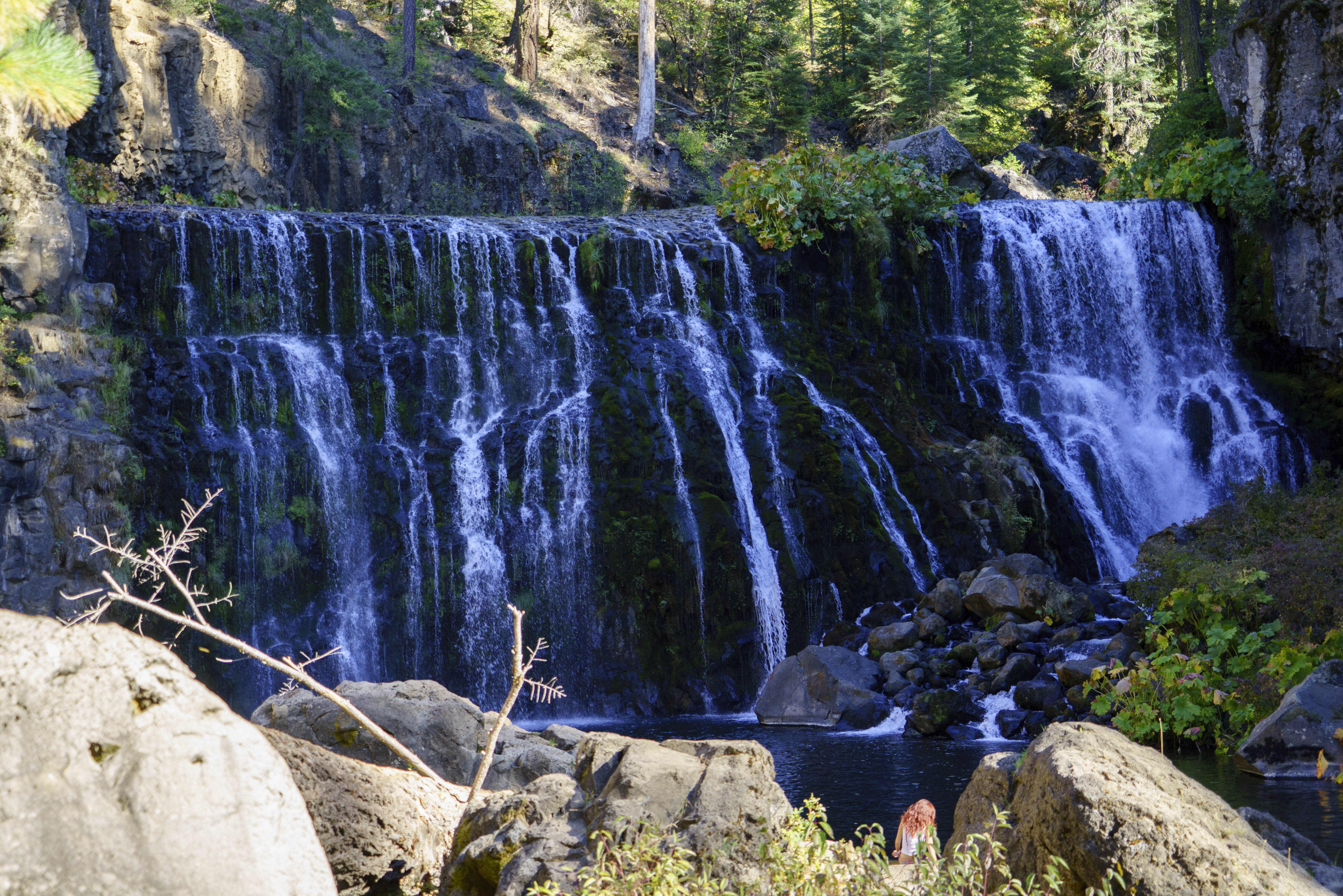
No matter how old or how young, waterfalls are always FUN!  Just down the road from the McCloud GC were the McCloud Falls with a perfect little interpretive hiking path from the Lower Falls to the Middle Falls – a perfect afternoon activity.


202 2015 09 26 Shasta 005

Lower McCloud Falls.


203 2015 09 26 Shasta 010

Middle McCloud Falls, where ‘crazies’ were actually jumping from the top into the pool below!


204 2015 09 26 Shasta 006

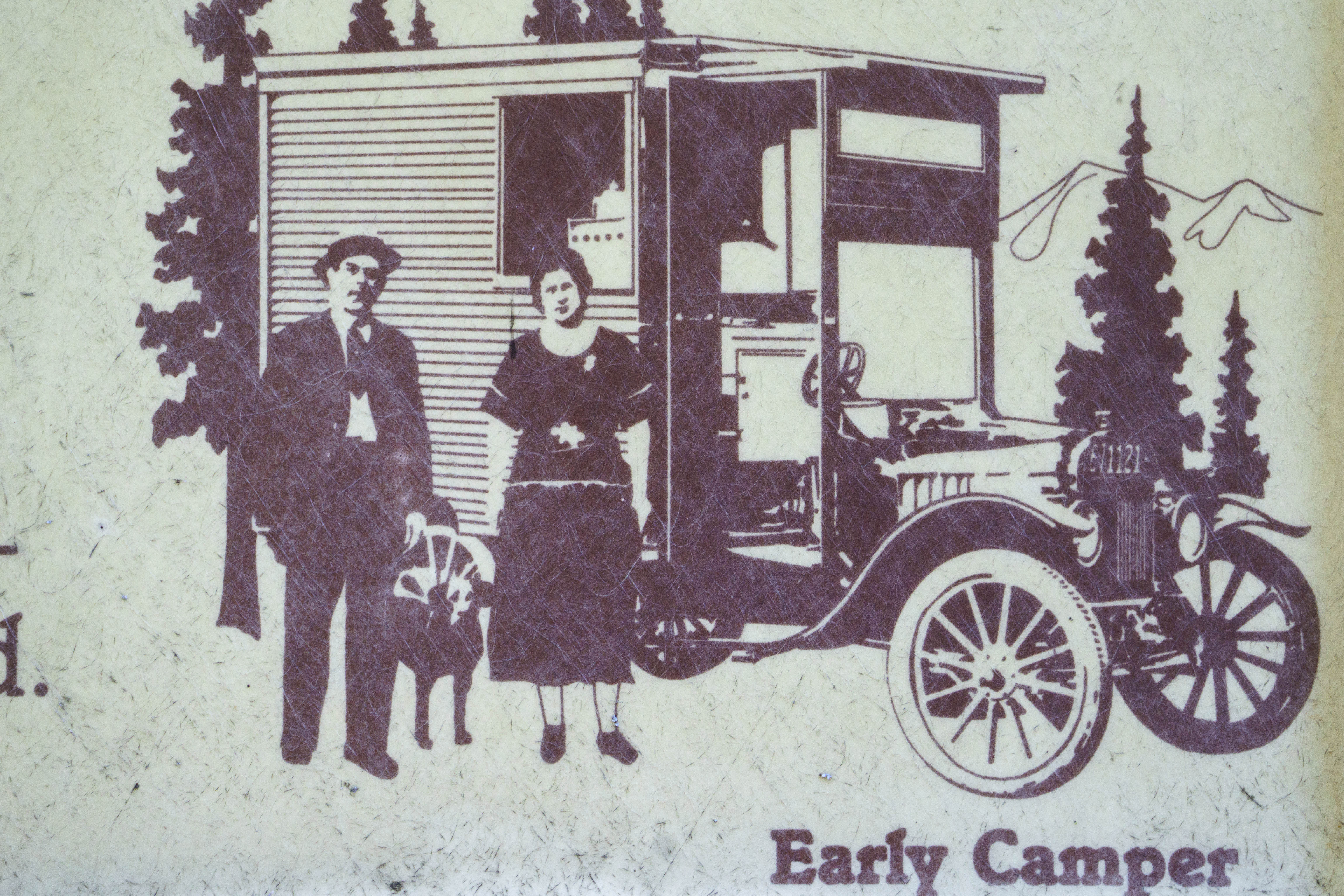
Early “Magic Bus”??


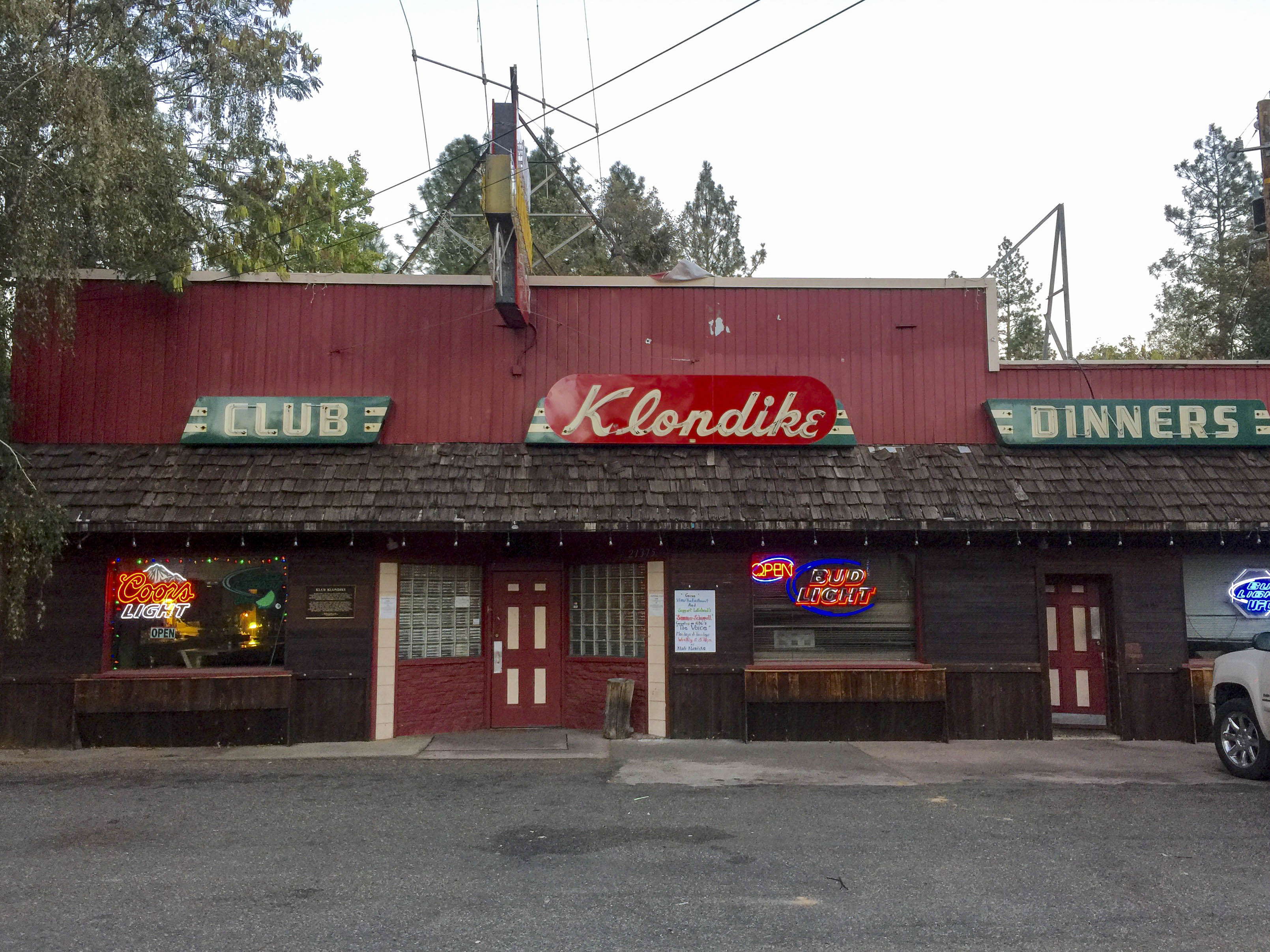
For the few nights at the base of Mt. Shasta, we were in an ‘interesting’ area – clearly seasonal and the season was over.  The Klondike was touted as “The Best Dive on I-5” and the local hangout – so it was also our dining spot after our golf and hiking excursions this particular day.  Since it was an early dinner for us, only one other group came in while we were there.  AND – who would be in that group but E’s first husband of 40 years ago!!!  What are the odds?!?!?!


205 2015 09 26 Shasta 016

“The Best Dive on I-5”. Imagine our surprise when E ran into her first husband as we were leaving the joint.


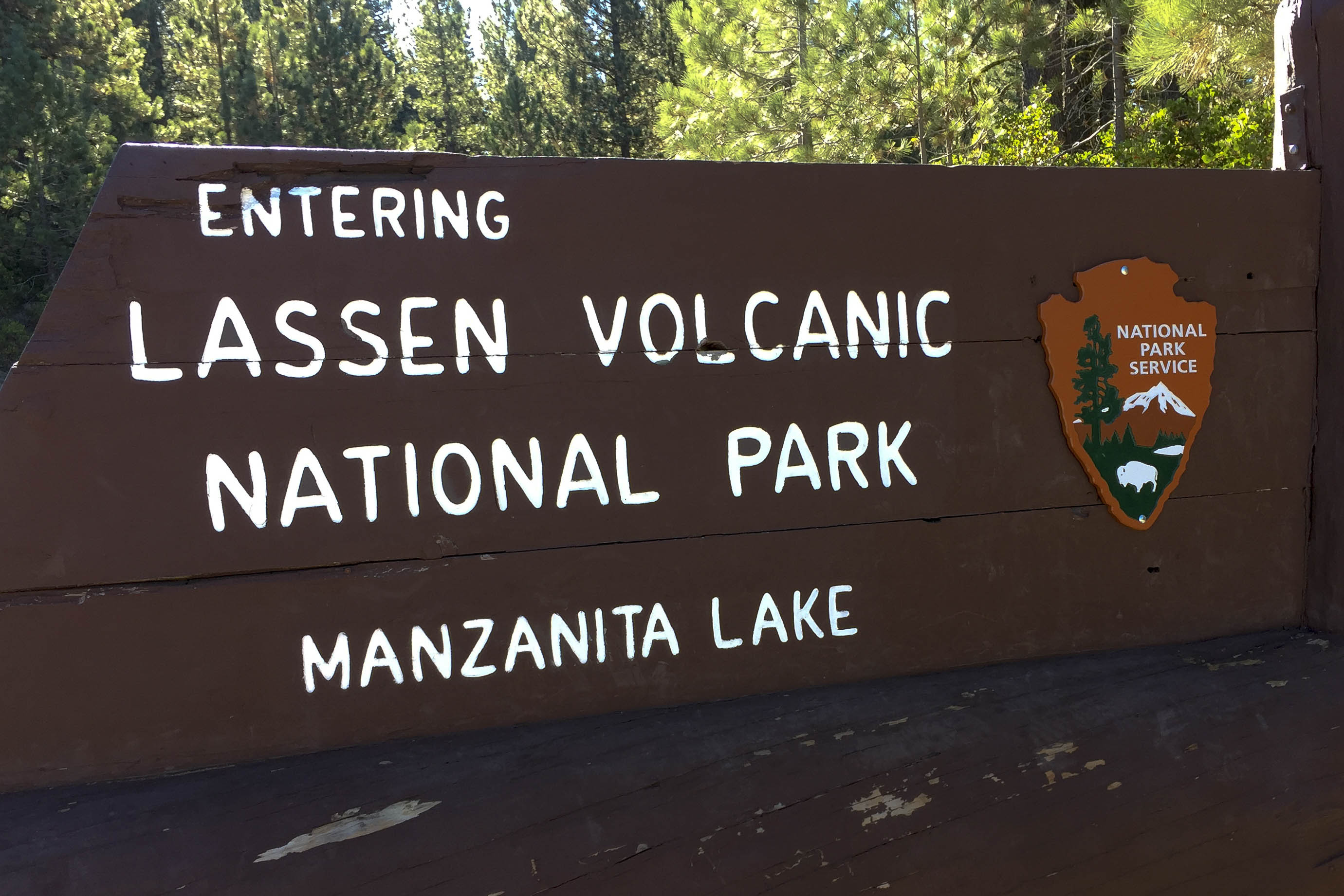
Next up – the last of the Cascade chain, Lassen Volcanic NP.  Lassen Peak was named for Peter Lassen, a Danish blacksmith who settled here in the mid-1800’s.  He developed trails and led expeditions throughout the area – thus it became known.  However, the powerful forces of the earth impacted this area.  Particularly the last eruption – May 22, 1915 (slightly older than the Mt. St. Helens eruption).  After this eruption, officials recognized the need to protect the area and in 1916 Lassen Volcanic National Park was born.  It is an unusual volcanic area as all four types of volcanoes can be found here – shield, composite, cinder cone and plug dome.


206 2015 09 28 Lassen 003

Let’s check it out!


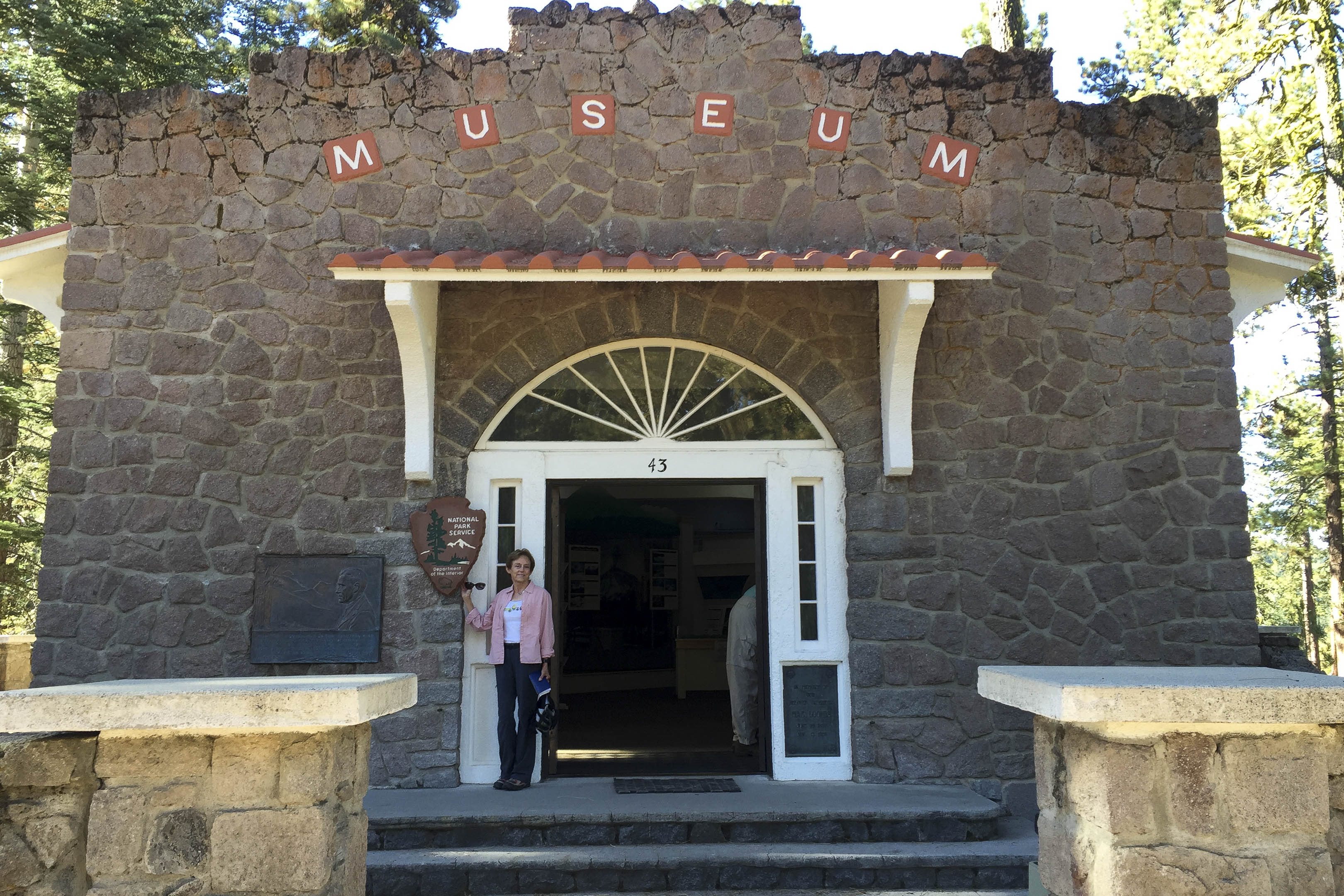
Beyond the Volcanic sights – there are also wonderful examples of Park architecture, including this Loomis Museum building at the entrance to the park.


207 2015 09 28 Lassen 005

Built in the 1920’s this building is now used by the National Park Service.


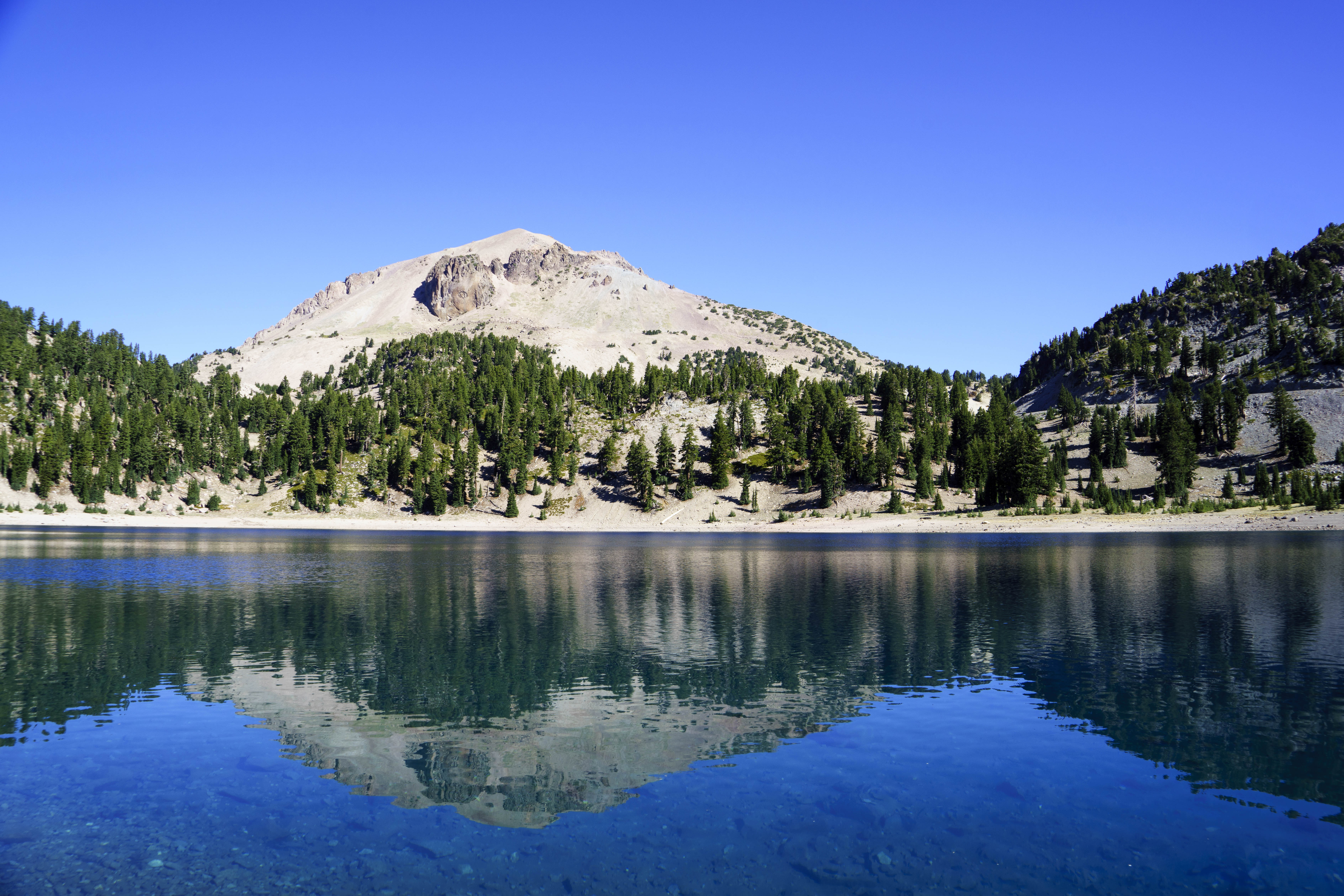
There are so many ways to see this park – the highway through the park, hiking on the 150 miles of park trails including 17 miles of the Pacific Crest Trail or backpacking into the back country.  We opted for the auto tour and a couple of hikes.  First up was an awesome view of Lassen Peak – a plug dome volcano.  This type forms when lava is too thick to flow great distances.  A steam blast shattered Lassen’s plug, creating an avalanche of melted snow and rock down the east side.


208 2015 09 28 Lassen 009

The view of Mt. Lassen from Lake Helen.


210 2015 09 28 Lassen 021

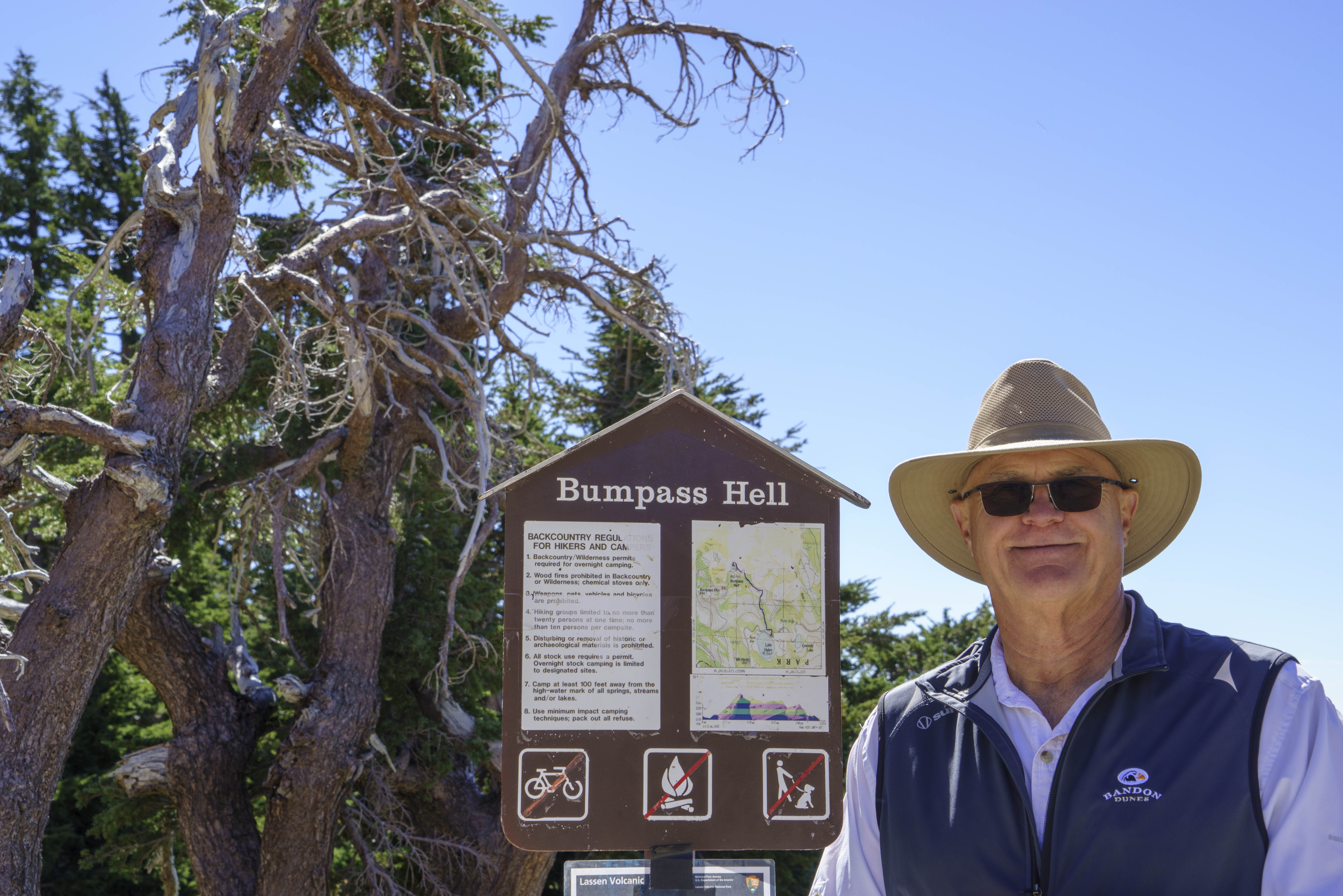
Hmmm. Interesting name.

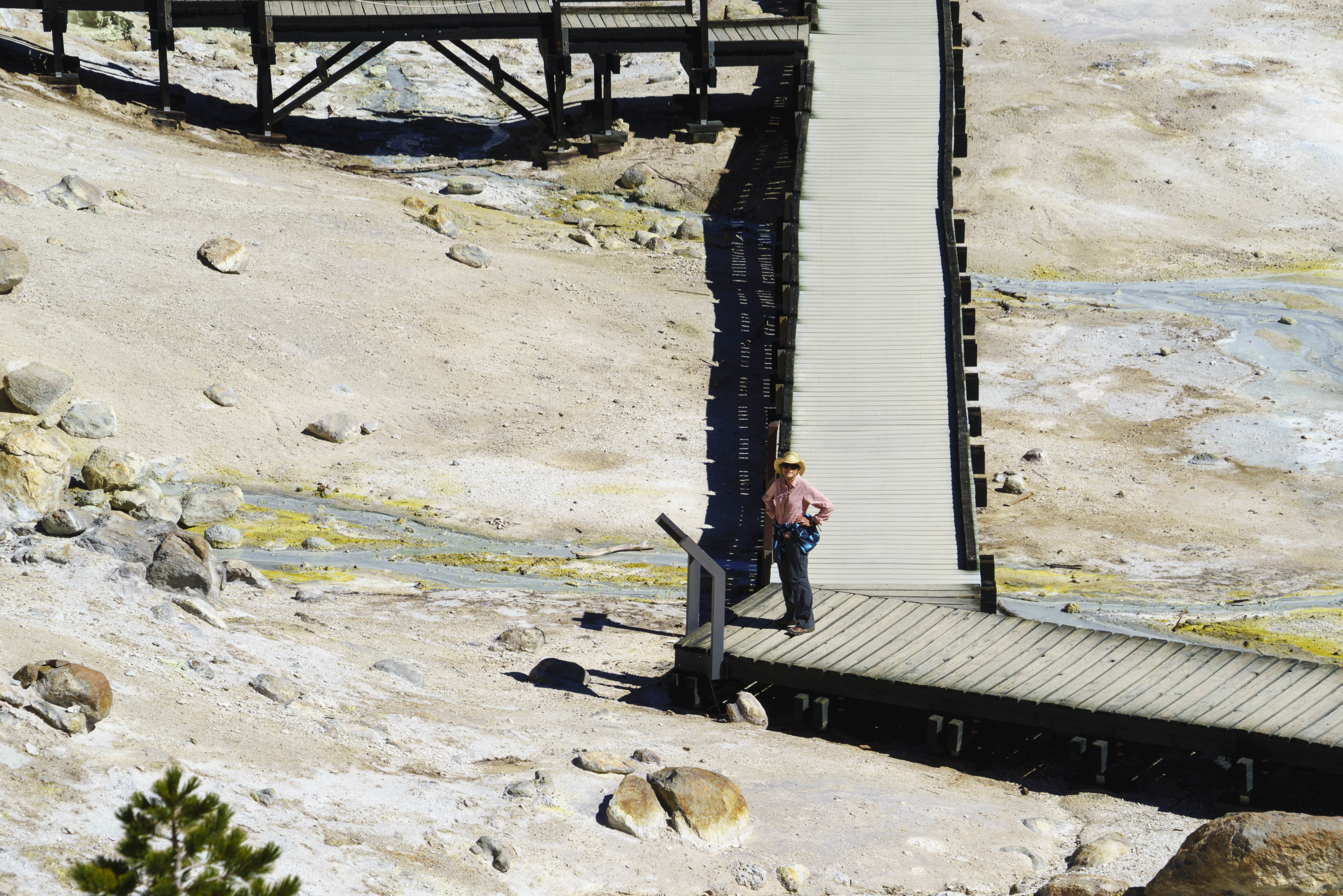
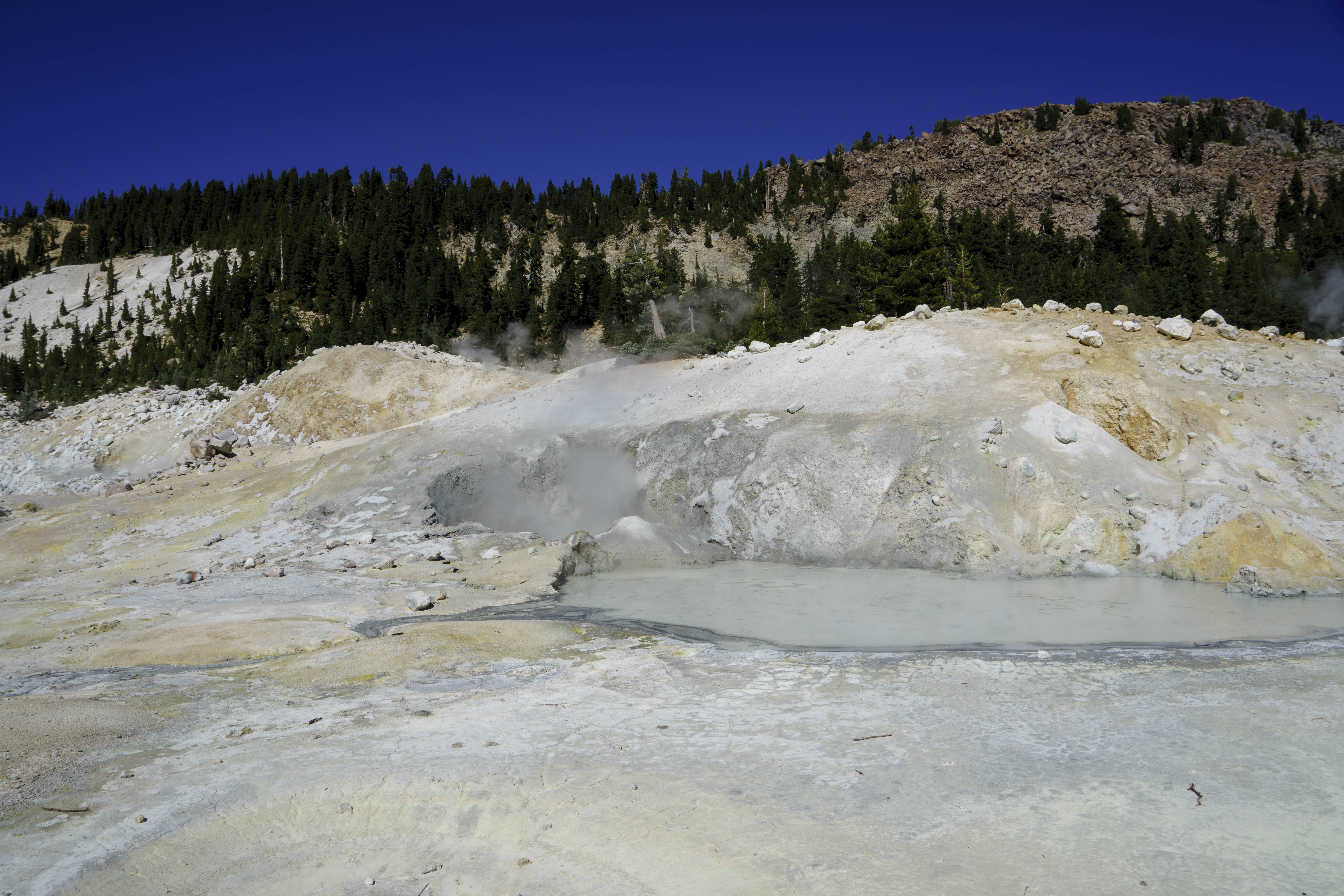
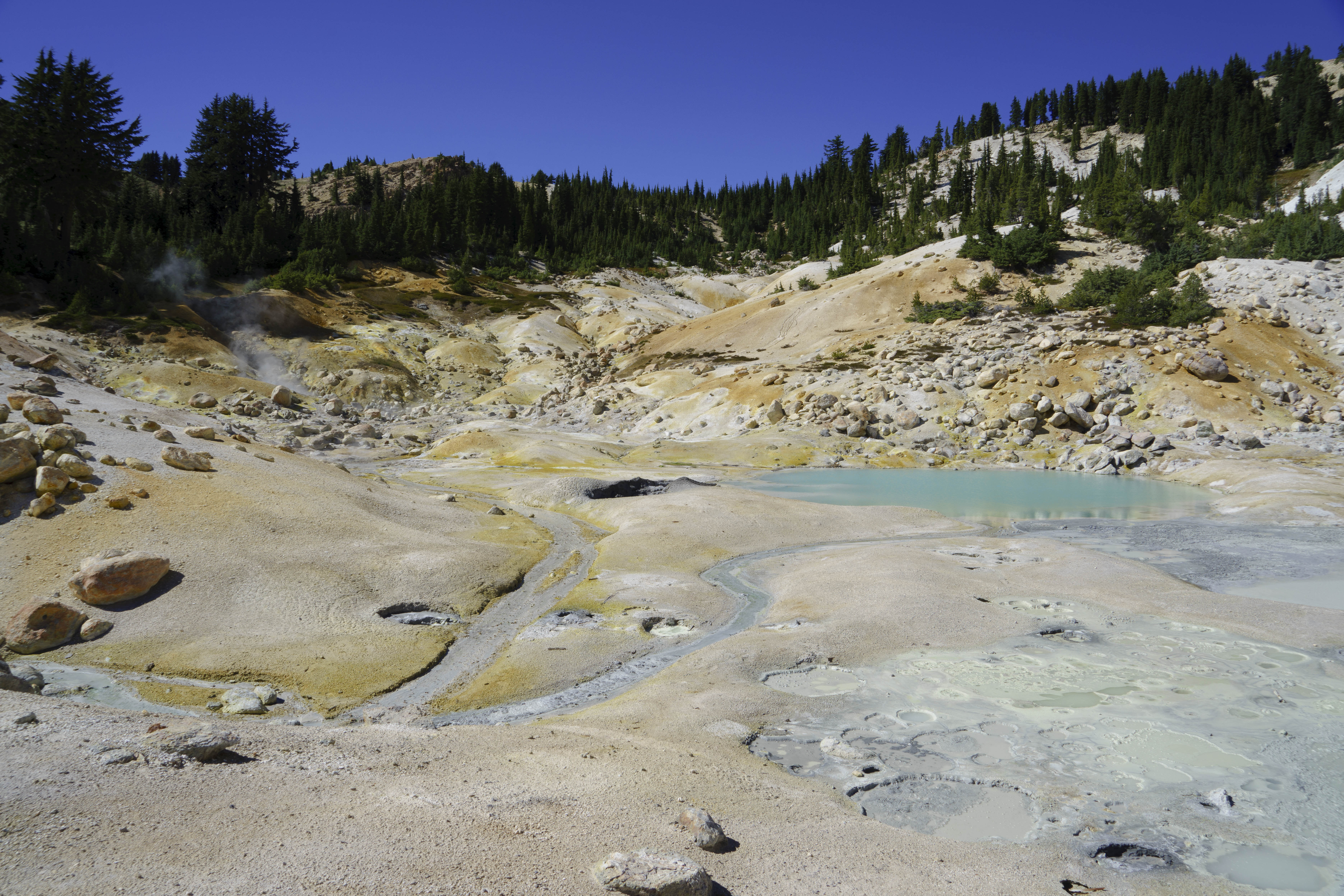
YES – we did the Bumpass Hell hike, which really provided beautiful vistas on the way to the valley of boiling mudpots, steaming ground, roaring fumaroles, and sulfurous gases.  These are all examples reminding one of the hydrothermal system that lies below the ground – just waiting for the time to erupt again.


211 2015 09 28 Lassen 026

The Bumpass Hell trail led to this sulfur fragranced area of hot pools.


212 2015 09 28 Lassen 027

These hot springs can get as hot as 200 degrees.


213 2015 09 28 Lassen 030

It was a little eerie here.


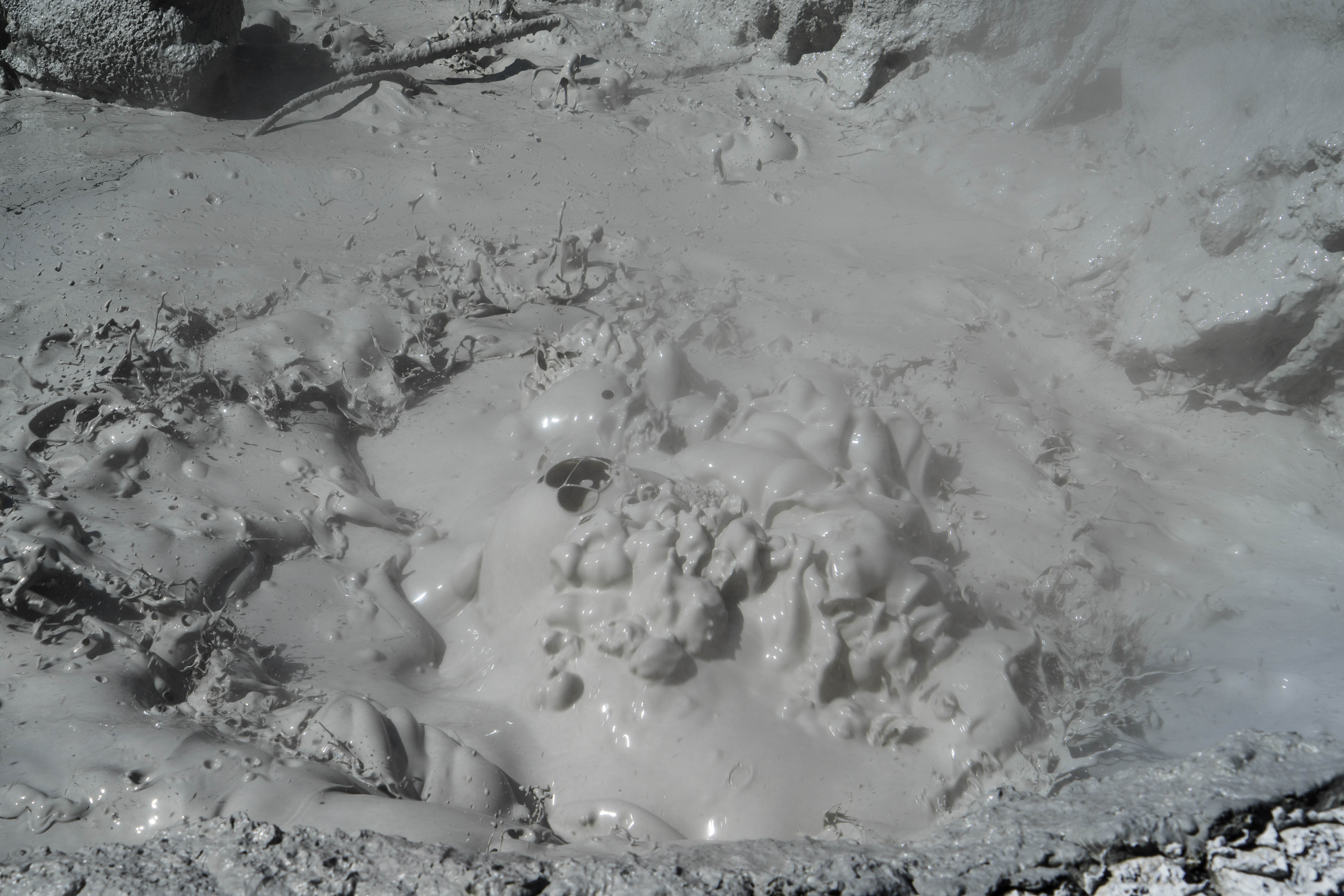
218 2015 09 28 Lassen 013_1_1

This muddy cauldron was found at the Sulfur Works a few miles from Bumpass Hell.


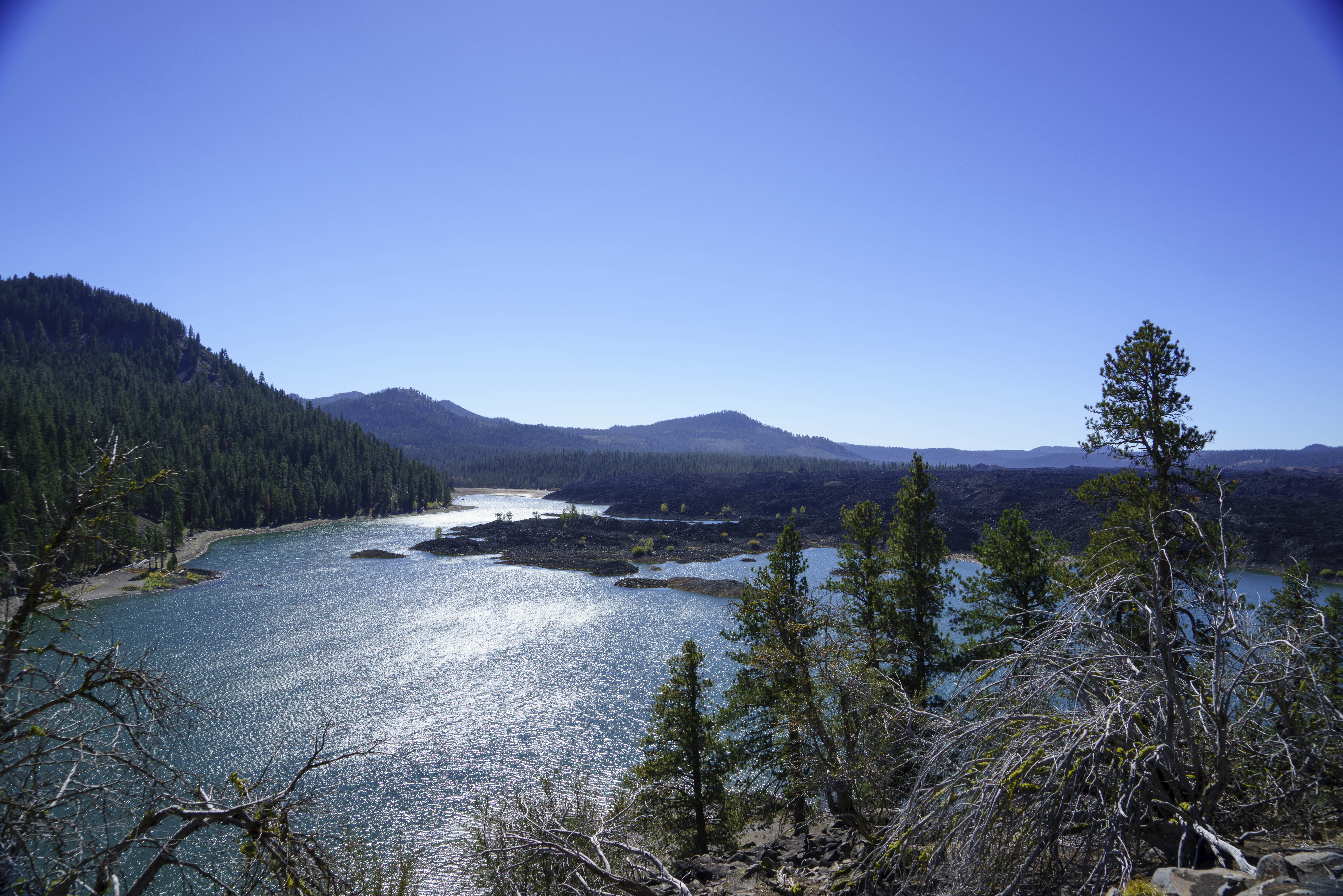
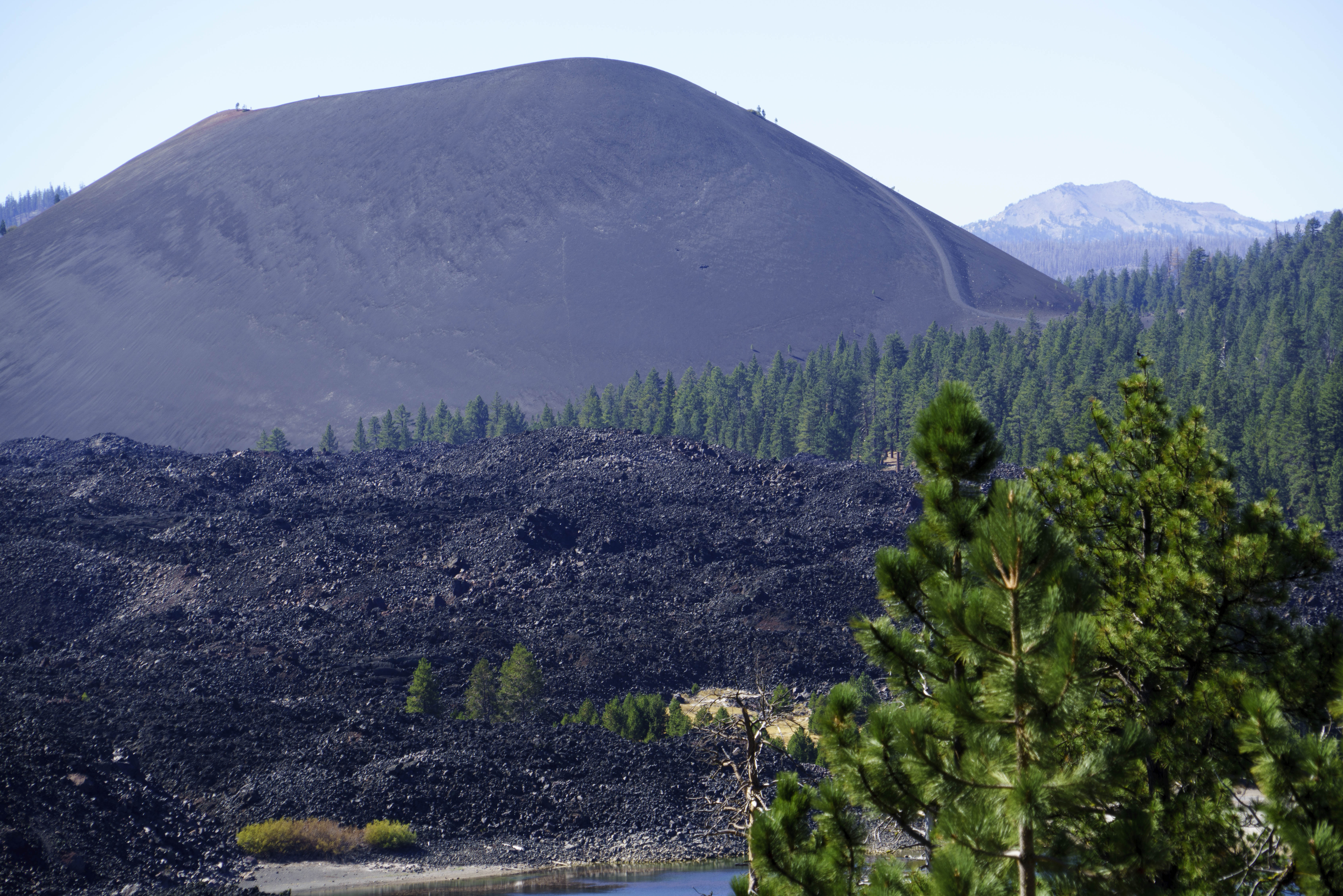
Another day – a few more hikes.  Today was a nice little hike around Butte Lake with views of the Cinder Cone, the second type of volcano.  A cinder cone volcano is made up of loose volcanic rock, cinders, and ash that accumulate around a single vent.  This Cinder Cone volcano formed during eruptions around 1650.  The loose volcanic rock from Cinder Cone encircles Butte Lake.


214 2015 09 29 Lassen 003

Our hike at Butte Lake provided views of this very unusual lava terrain – –


215 2015 09 29 Lassen 006

And of Cinder Cone.


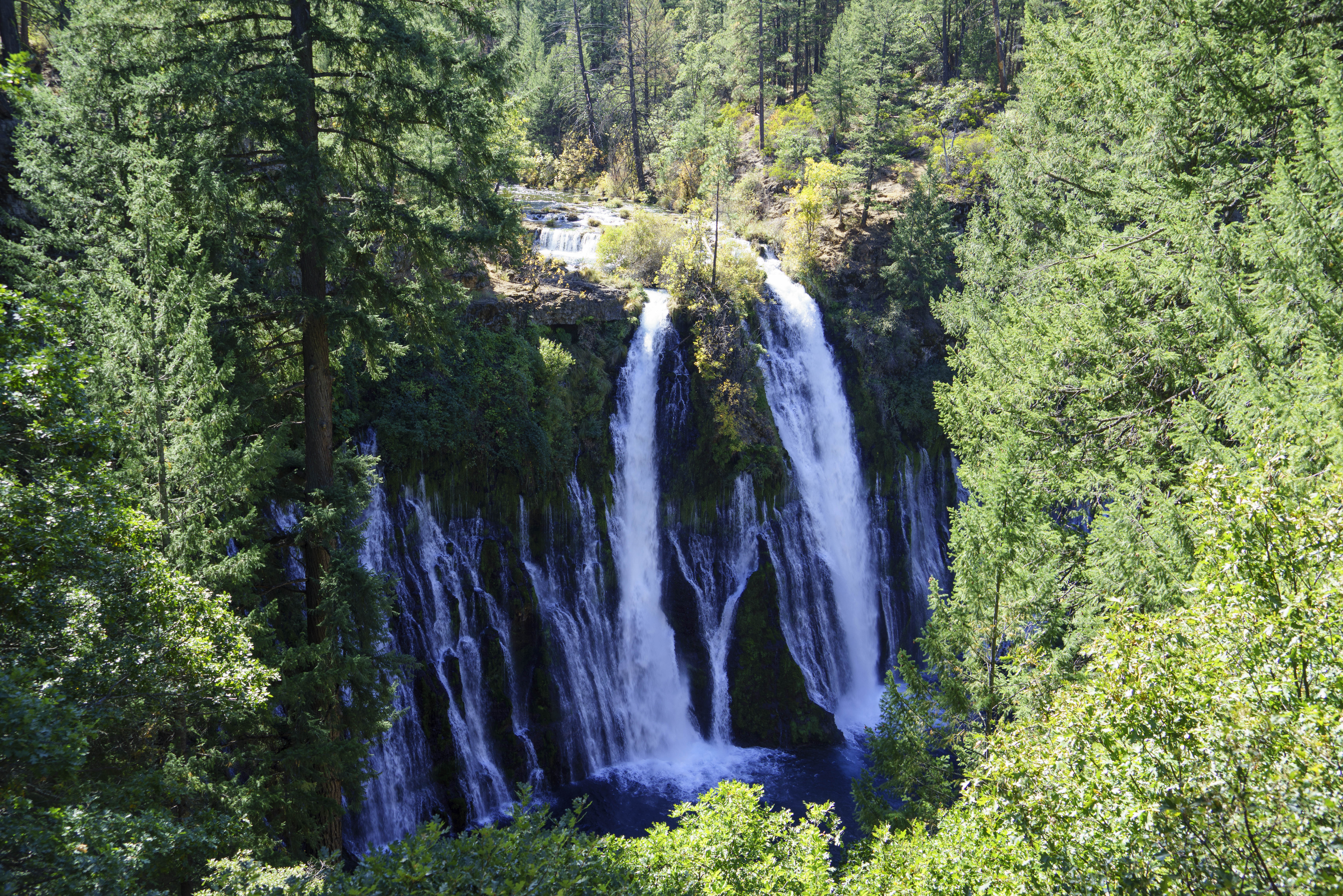
Not far from the NP is a beautiful little CA State Park – McArthur-Burney Falls.  More falls to entertain us.


216 2015 09 29 Lassen 008

Burney Falls doesn’t seem to be effected by the California drought.


Well – this was the last of our NP’s for this season and the last of the volcanoes in the Cascade Range.  It was nice that this farewell was said from a wonderful campground (a KOA that we would recommend) and with the unusual event of the Blood Moon Eclipse;-)


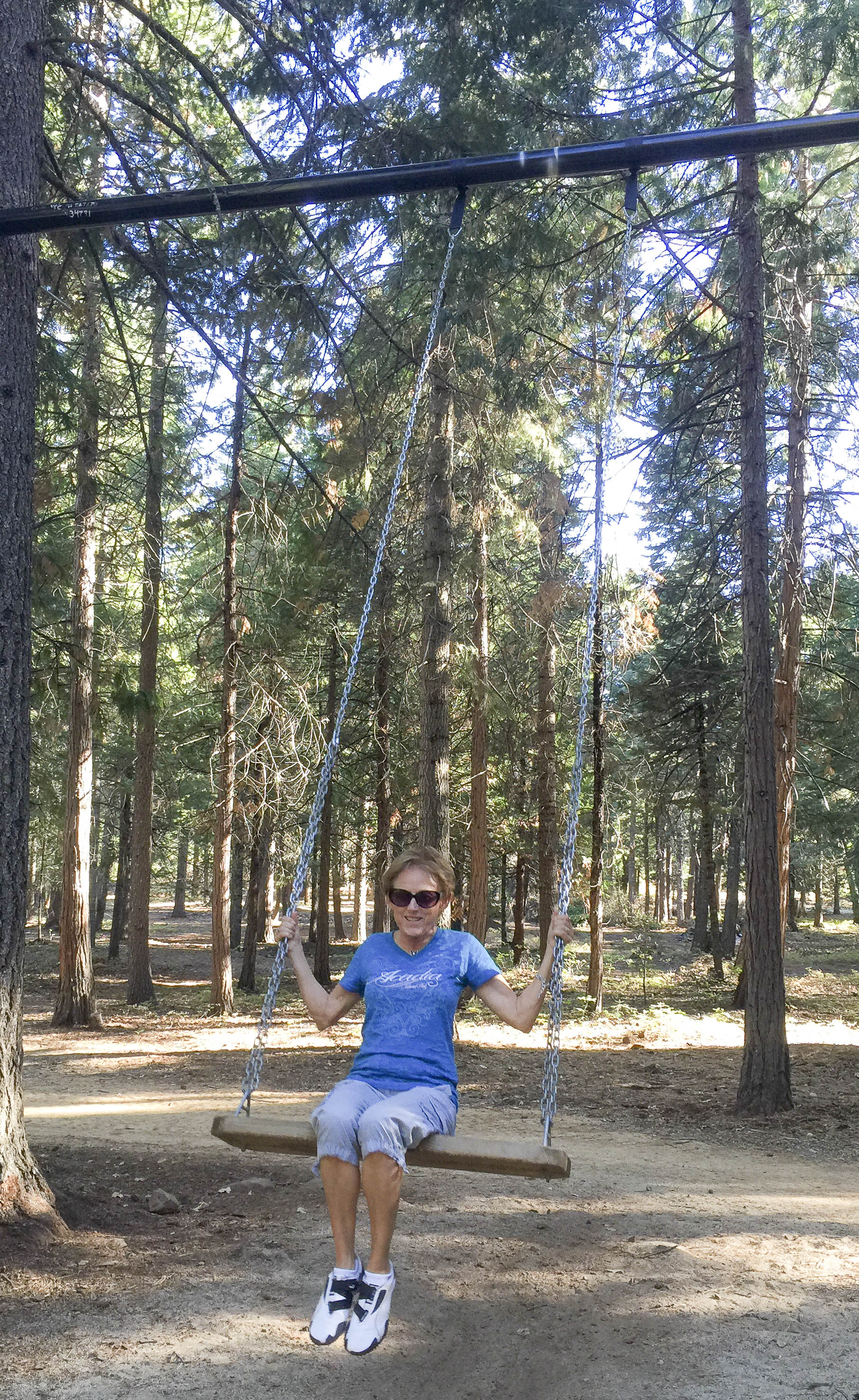
217 2015 09 28 Lassen 001

Relaxing on a great big swing near Magic’s parking spot.


Now we are off to spend several days with friends in the Santa Rosa area.


Happily educated on the Cascade Range Volcanoes – E&G