A visit to this quintessential medieval town was greatly anticipated and a primary reason for this trip (surpassed only by the Normandy beaches, which are up next).
Bruges was a trading center. In the 11th century it grew wealthy on the cloth trade and by the 14th century its population was as large as London’s. It was then, the most important cloth market in Northern Europe. In the 15th century the arts also boomed here – but, unfortunately by the 16th century the harbor had silted up and the economy had collapsed. Here today and gone tomorrow 😢
Today, Bruges thrives on tourism as it is a uniquely well-preserved, walkable Gothic city with an easy way about it. AND, every other shop is a chocolate shop full of wonderful Belgium chocolates!
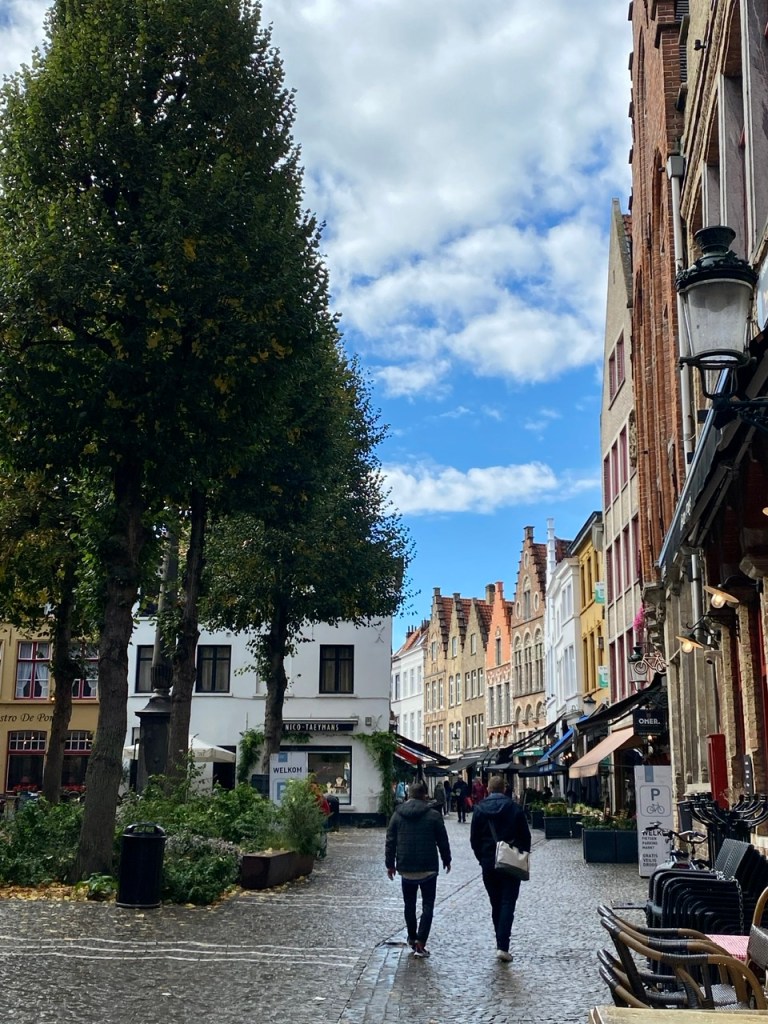
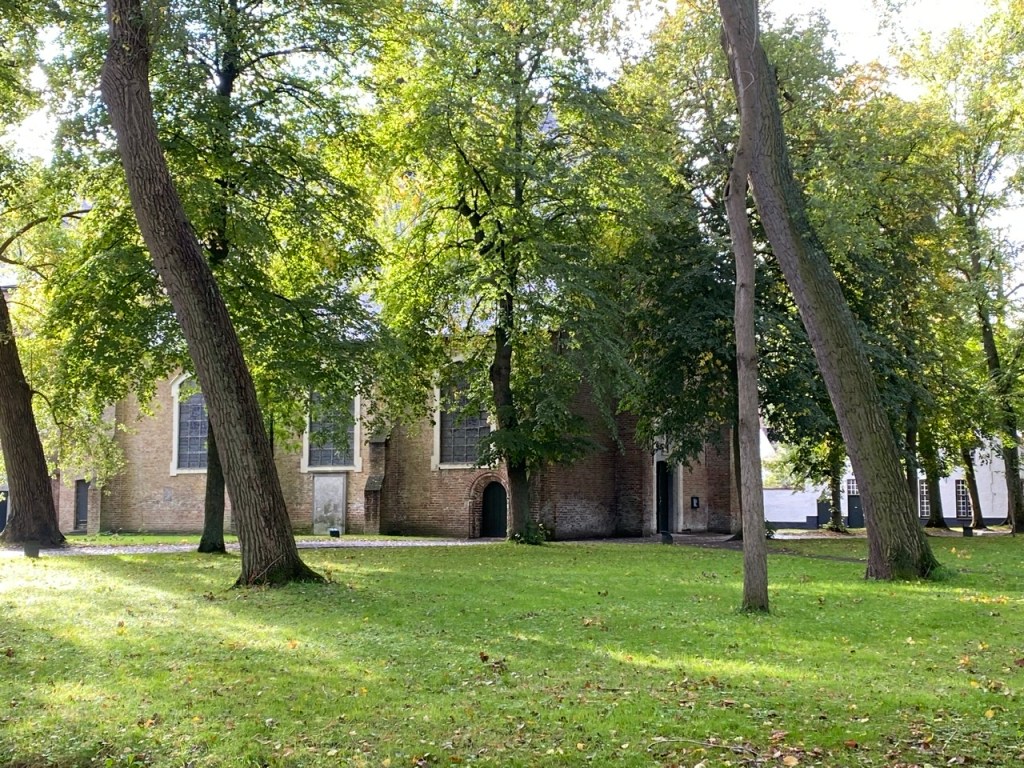
From the first steps it was enchanting – walking through Kanaaleiland and it’s adjacent park to Bbegijnhof.

The Begijnhofs were built to house women of the lay order called Beguines. They did not take the vows of a nun, but did spend days in prayer and caring for the sick. The housing was built around a peaceful garden with a church for their services. There hangs a painting of the Beguines’ patron saint, St. Elizabeth! The entry to the garden is also marked with her presence—-

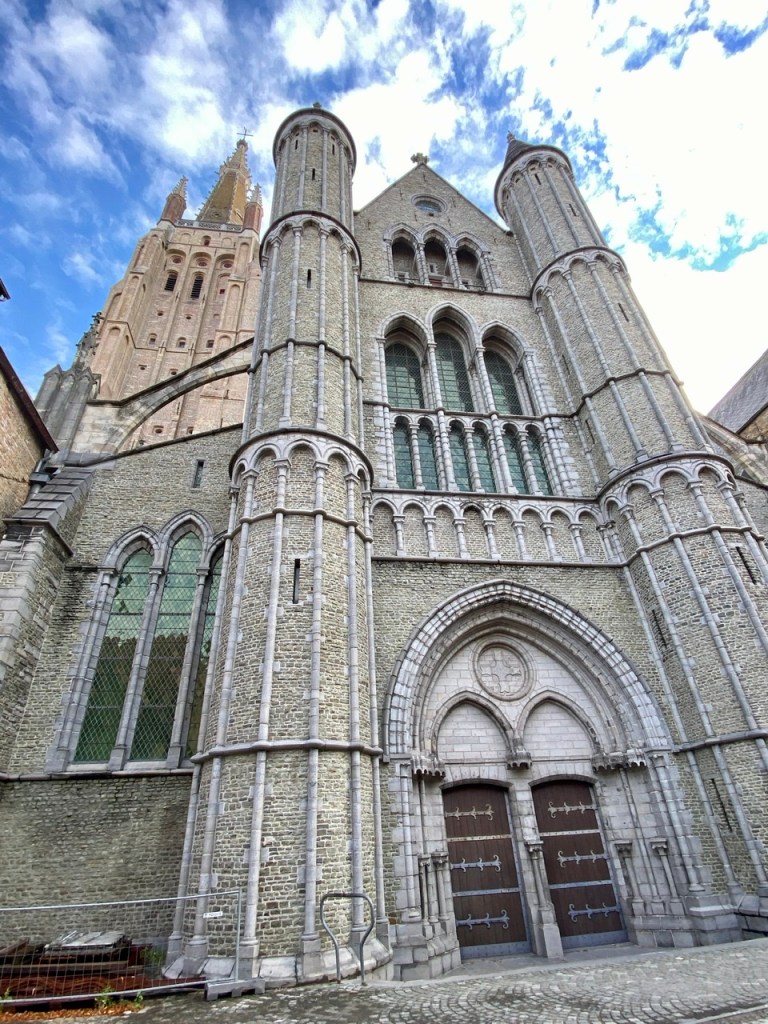
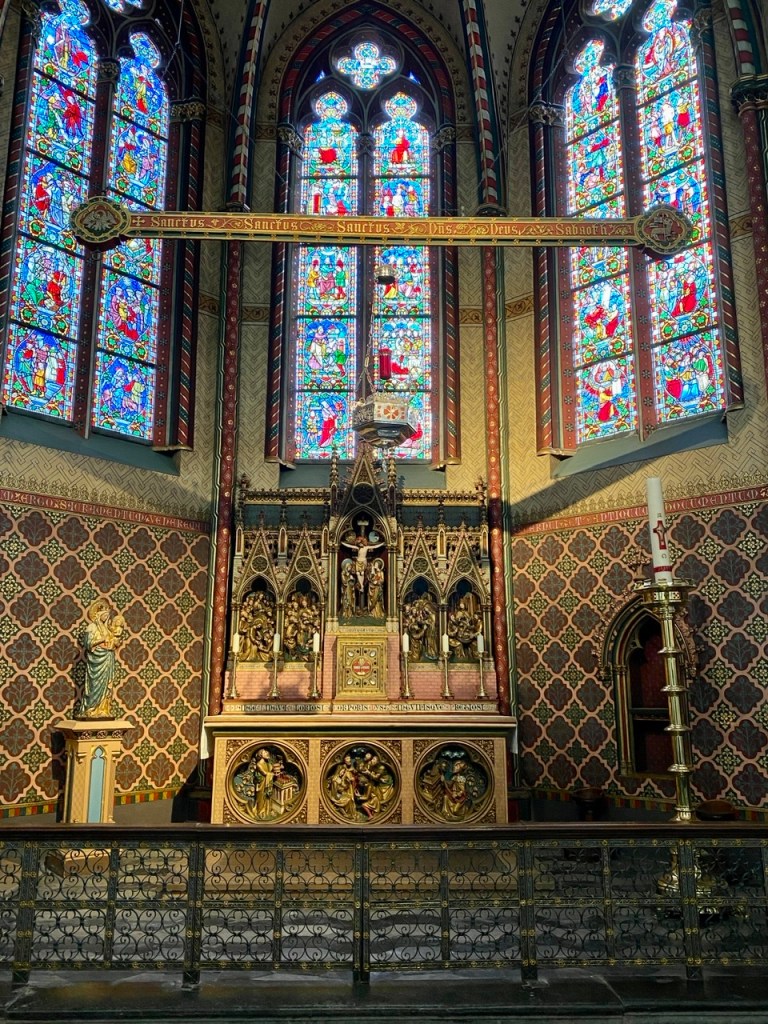
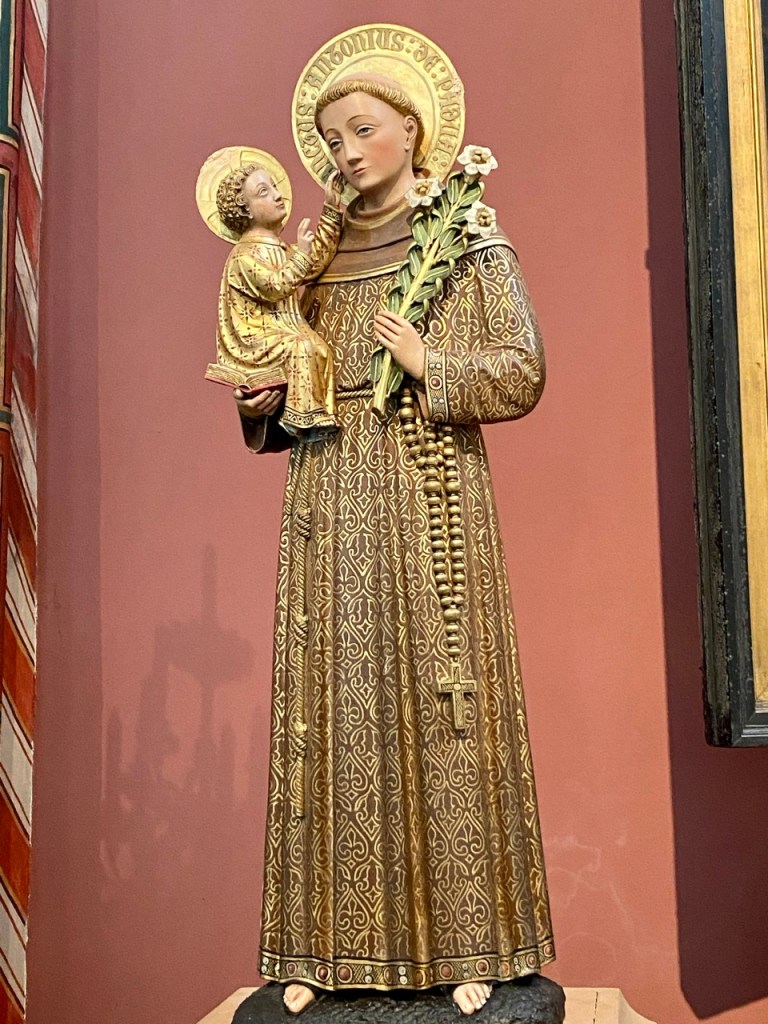
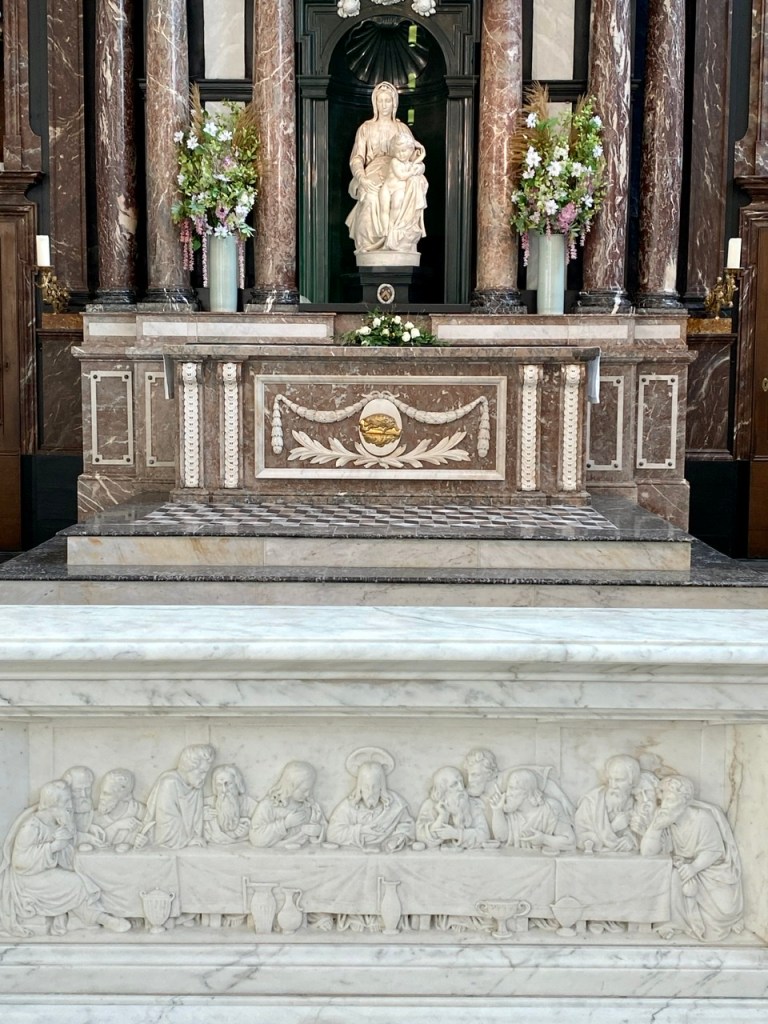
A highlight of Bruges is the Church of Our Lady, which stands as a memorial to the power and wealth of the city in its heyday.
Upon entering the church and standing in the nave, one is surrounded by 12 Gothic-era statues of apostles and views of the medieval-style screen which divides the clergy from the commoners in the nave.

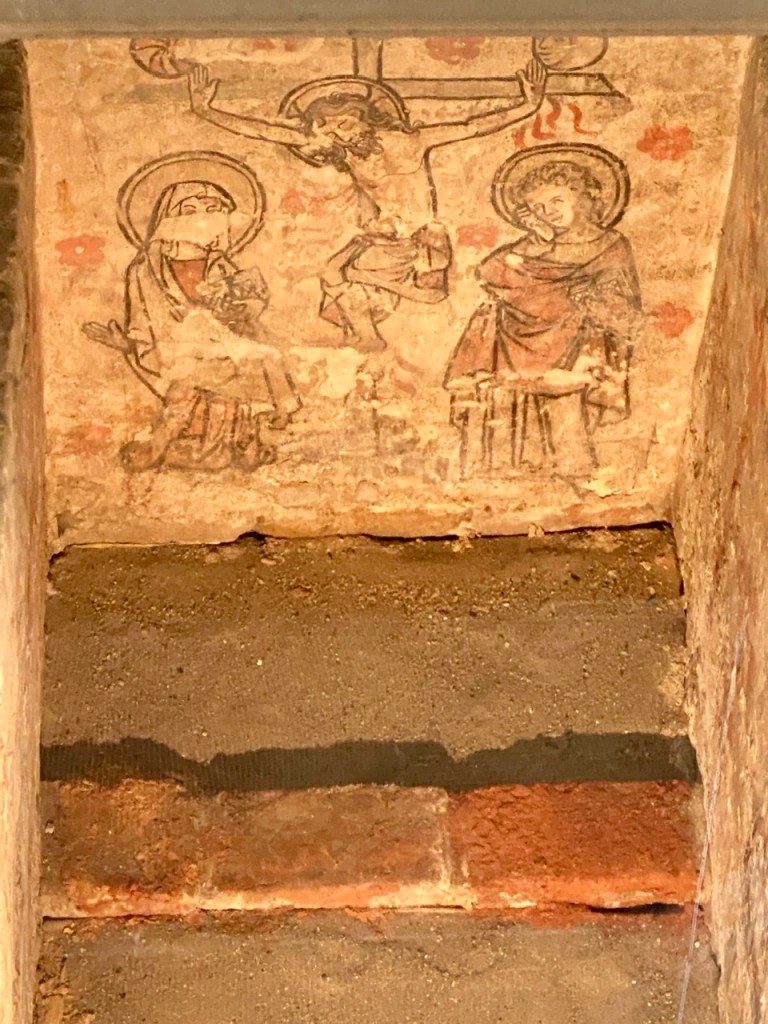
As is always true, many tombs reside in the High Altar areas. Those of the more affluent are adorned with sculptures, paintings and various tributes. The less affluent may just have paintings that were hastily completed as the burial was taking place.

The primary



 Elizabeth & Gary's Magic Bus Tour