Welcome to Kusadasi, the port city for an adventure to Ephesus. It appeared that the city wanted to be sure one knew where they were and took a page right out of ‘Hollywood’s” tourist manual;-)
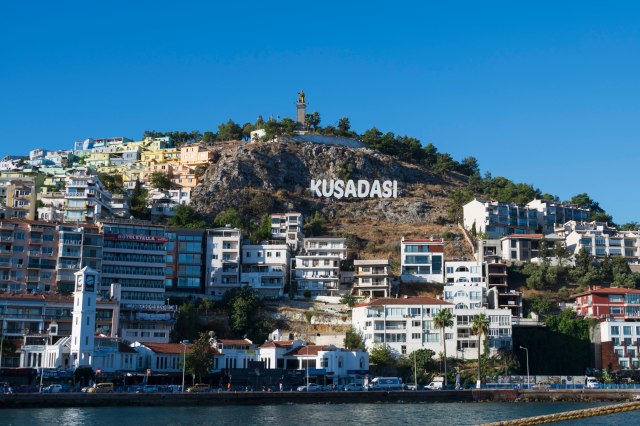
The Port City of Kusadasi, gateway to Ephesus.
It was an early wake-up call today, as Ephesus was a VERY large area to explore. After all, it was a city of 250,000 at one point and spanned almost 3,000 years of inhabitants!
Ancient Ephesus, a UNESCO World Heritage Site, is one of the greatest outdoor museums in the world. Although now in ruins, it is a HUGE archeological site putting together the pieces of it’s 3,000 years of existence. Many of the components/pieces unearthed have been placed where originally constructed, are inventoried and placed for future placement or are in the process of being reconstructed like a huge jigsaw puzzle. These sites are also part of the days adventure.
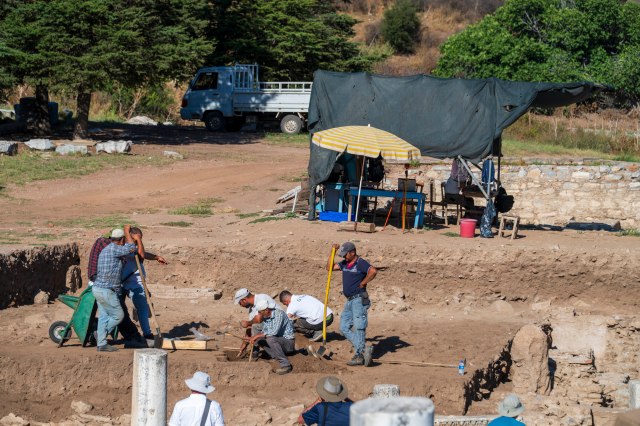
One of many ongoing archeological digs.
Ephesus was a major commercial center having an international trade port located by the Aegean Sea. It was at the western tip of Asia and – the last point on the Silk Road trading route. Therefore, Eastern merchants used the Port of Ephesus to export their goods to the West and vice versa. It was during the Roman rule that the city reached its glory and the population swelled to over 250,000.
At this time, shiny white marble streets – with adjoining porticos decorated with intricate mosaics to entice shoppers – were evident.
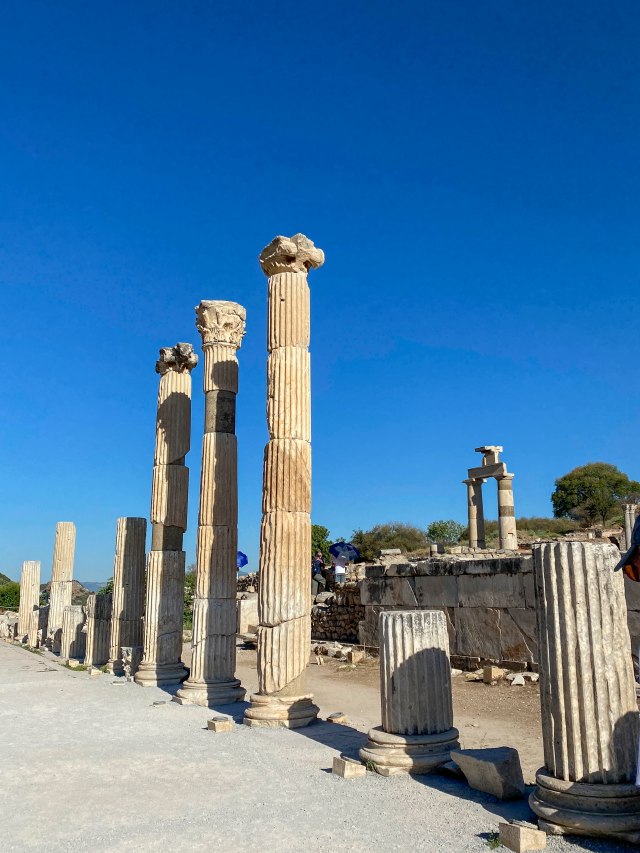
This street led down to the port. The space behind the columns was a portico to protect the shoppers.
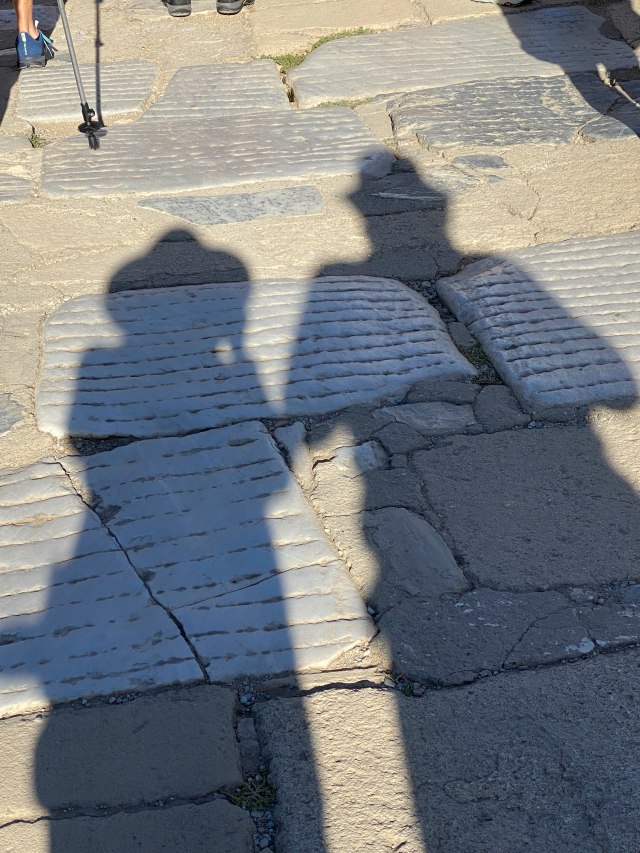
The marble streets were quite slippery – so the marble was ‘scored’.
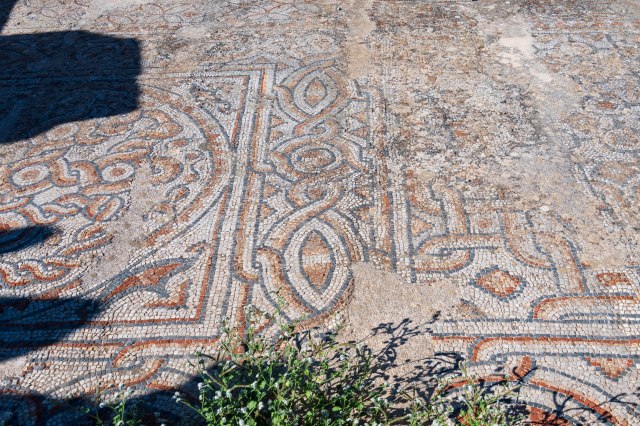
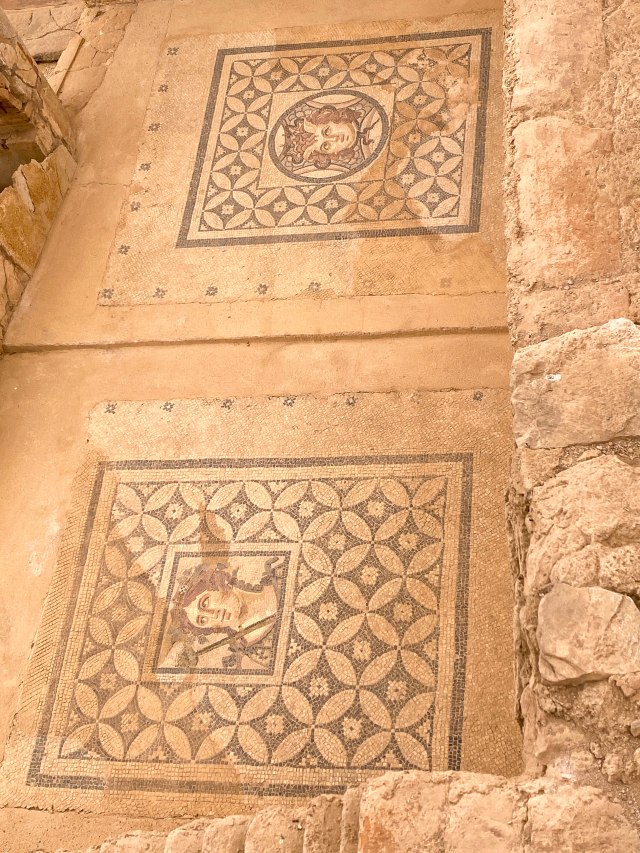
The uncovered mosaic pathways are beautiful.
In 29BC, Ephesus became the capital city of Asia province of the Roman Empire. As such, it had many governmental buildings such as this Parliament House (which would have had a roof).
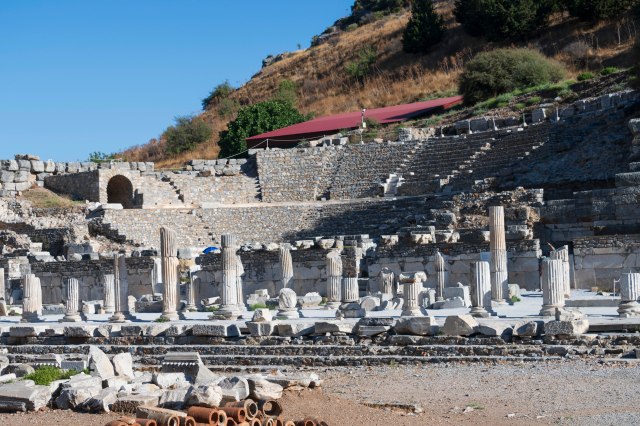
The Parliament House for political gatherings.
There was also a hospital, or medical facility, marked by this familiar sign –
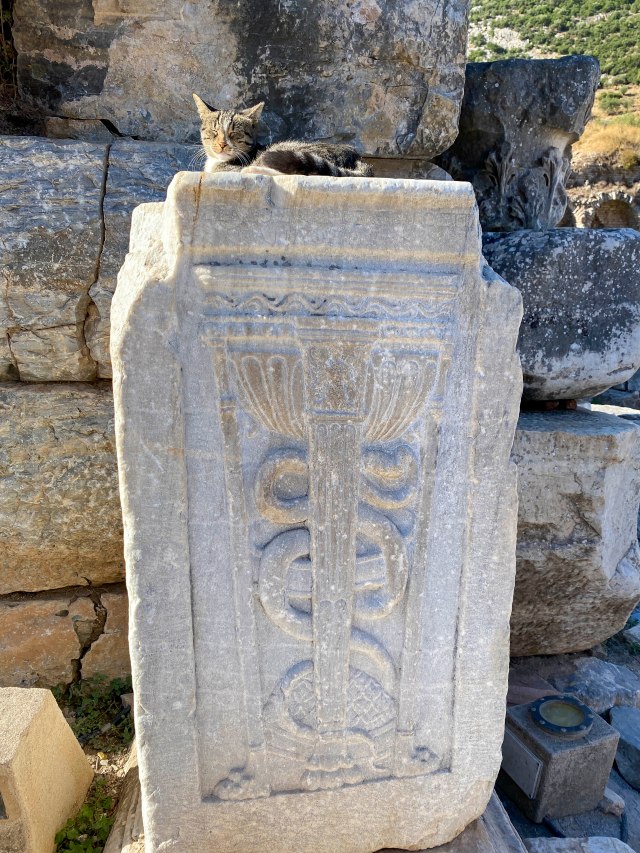
Medical staff with serpent – and a visitor on top.
At the port entrance to the city, the street angles and passes by the Temple of Hadrian, terrace houses owned by the wealthy and influential citizens, huge bath complexes and public toilets and more shops and porticos on its way to the fascinating Library of Celsus. Again, all of these are in the process of reconstruction utilizing artifacts and remnants that are known to come from the specific place. In some instances where pieces are missing, a replacement part may have been created to fill in. These can be known by the very white coloring.
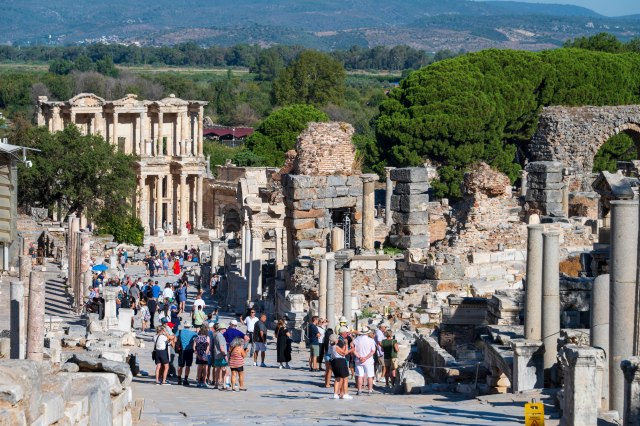
A view of the library from above.
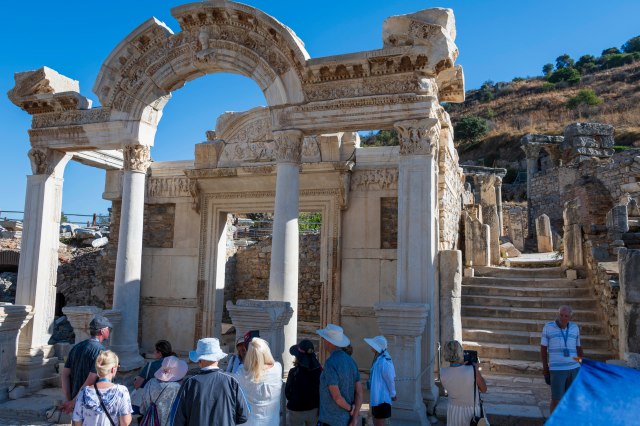
The Temple of Hadrian.
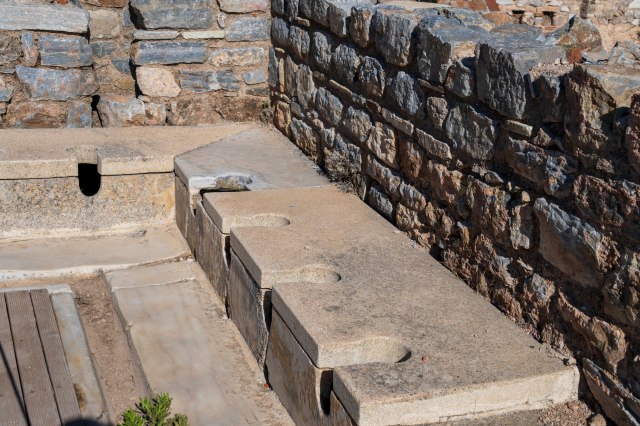
The public toilets brought back vivid memories of Gary’s barracks latrine in Okinawa.
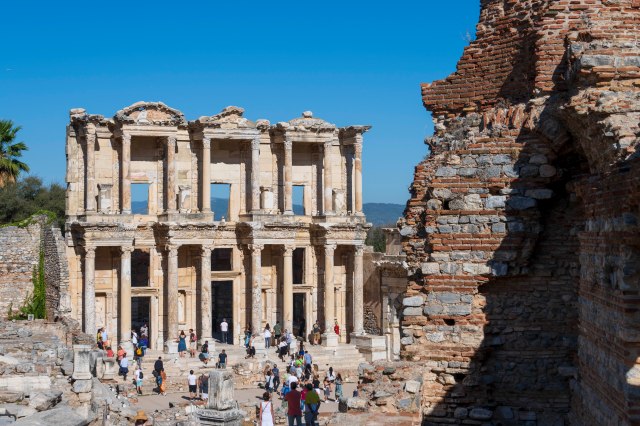
The Library of Celcus.
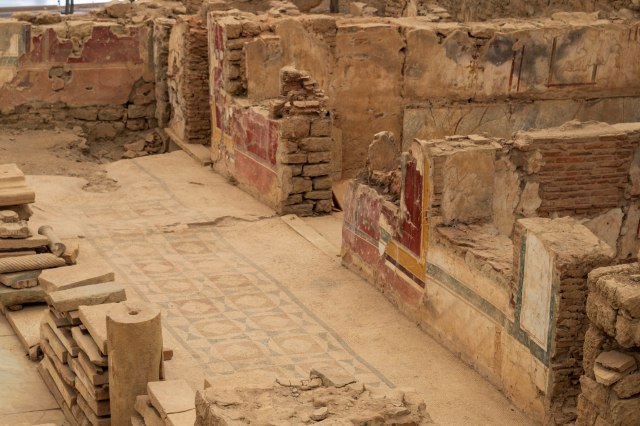
The Terrace Houses are luxury Roman Villas located on a slope opposite the Hadrian Temple. There are 6 houses in the style of townhouses – 2 side by side and three high with the floor of the lower creating the terrace of the unit above. Excavation on these units began in the 1960’s, heavily financed by the Austrians as compensation for all the artifacts they have in their museums!
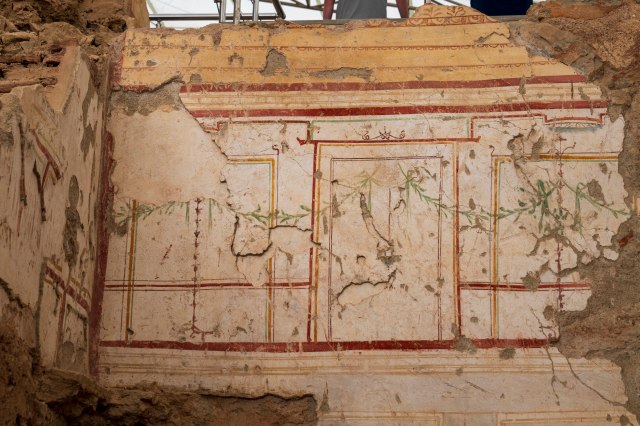
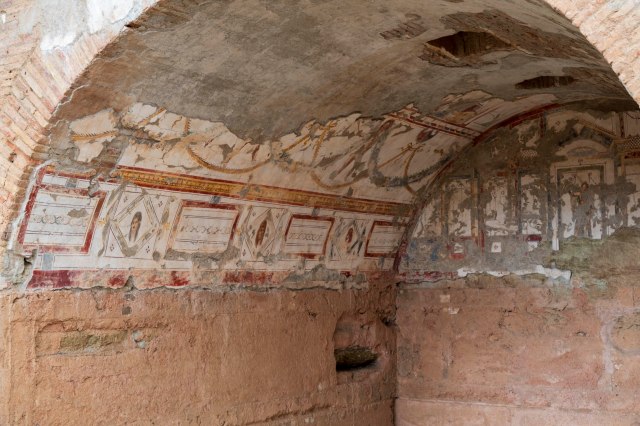
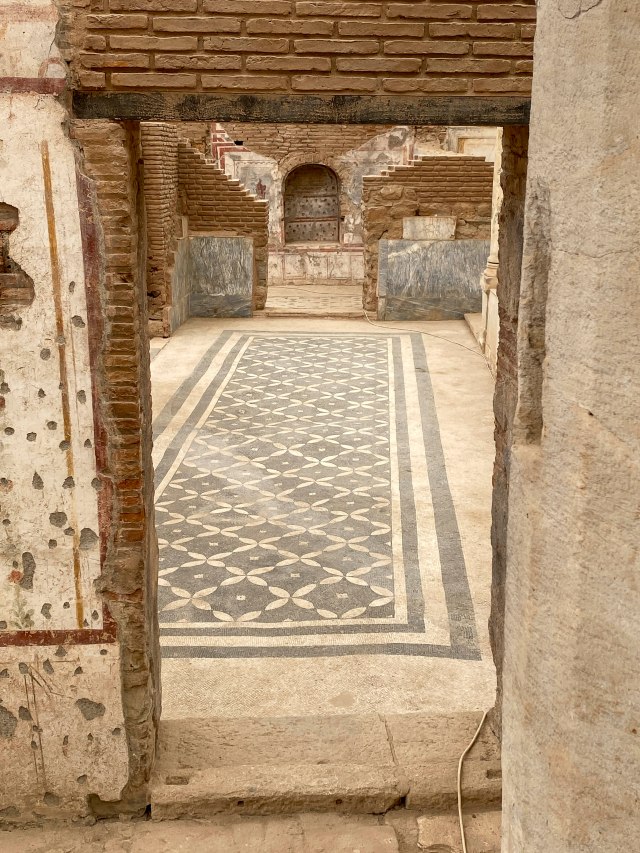
The design and decoration of these living spaces give a wonderful, fascinating insight into ancient life. They typically had a courtyard, which made the residential area and the utility rooms accessible. Water supply and drainage was provided by wells and apparent adequate drainage pipes! The reception halls were richly decorated whereas the utility rooms, such as toilets and kitchens, were simply furnished. A series of earthquakes in the 3rd century AD put a sudden end to these dwellings.
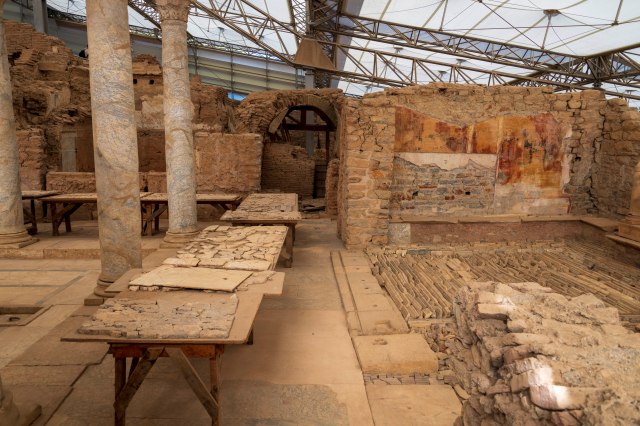
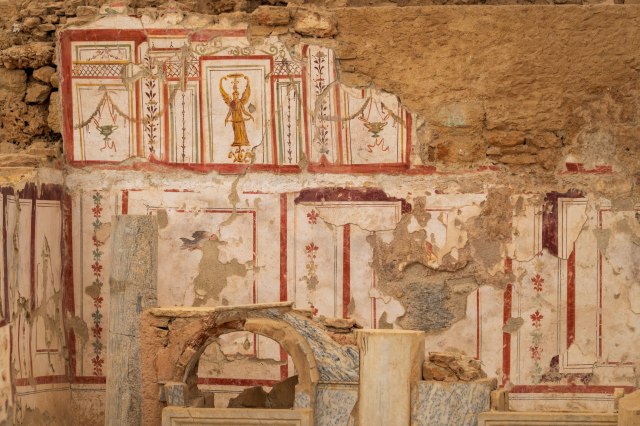
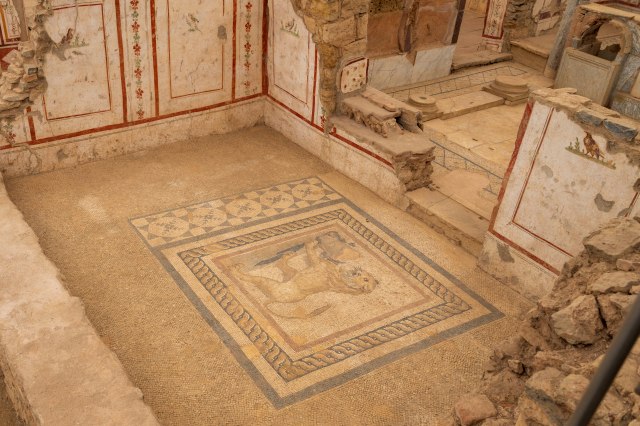
Several views inside the partially unearthed, reassembled and restored ancient houses.
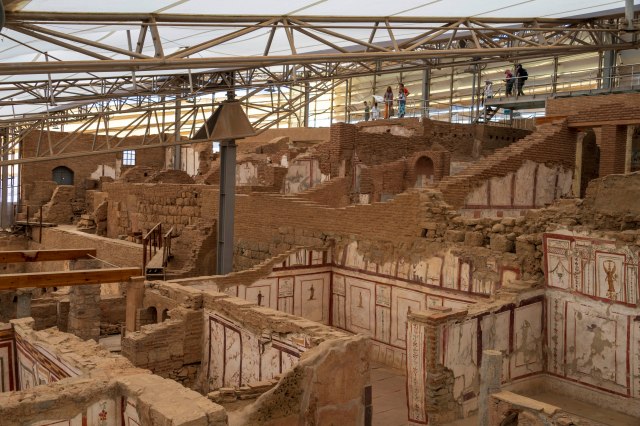
Perhaps bedrooms – beautiful paintings.
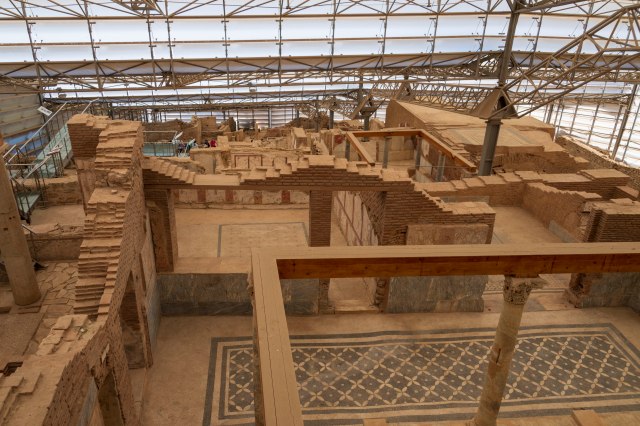
Mosaic ‘runners’ would be in places that might have rugs today.
.
.
.
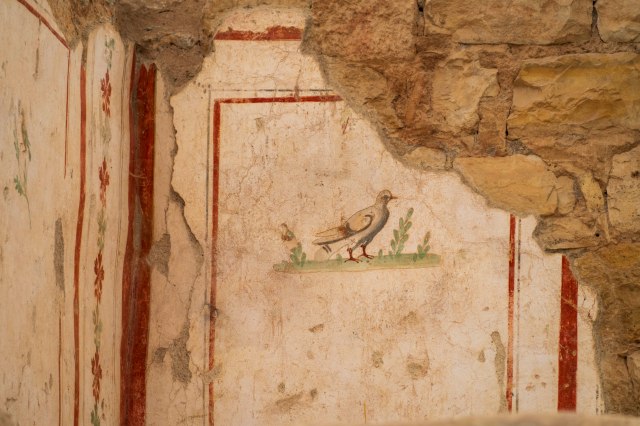
Loved this painting – so simple but elegant.
.
.
.
.
It is easy to see why the Terrace Houses were built where they were. Fabulous views as we exited from the very top of the upper most residence! One looks down the Marble Road with the Celcus Library in the foreground on the left to the theater past the hill on the right (where the road turns left onto the Arcadian Street). Just past the Library is a second Agora – this the commercial marketplace. This section of road – as well as where it turns left in the distance – would have been used by the chariots and horses!
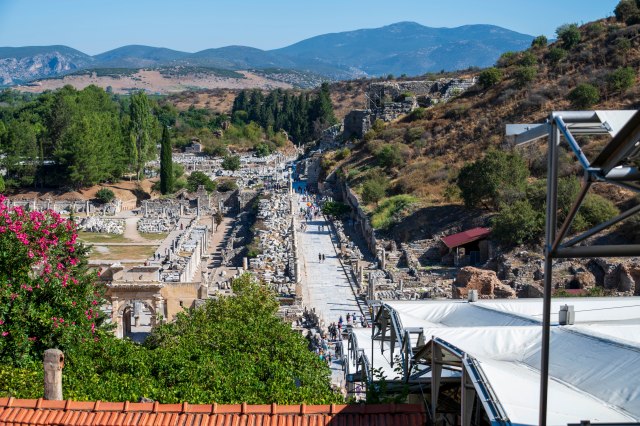
Couldn’t help but wonder how many Terrace Houses are buried on that hill on the right???
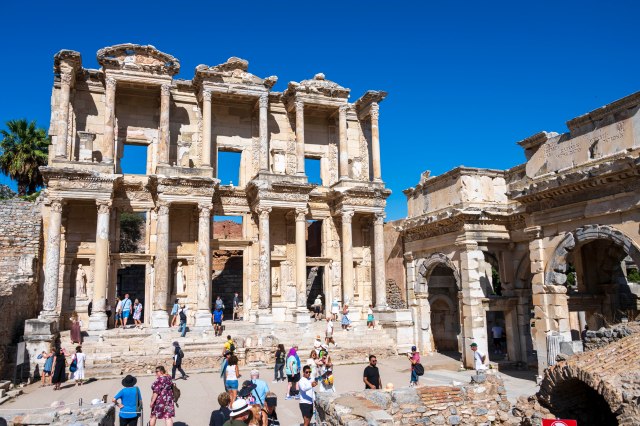
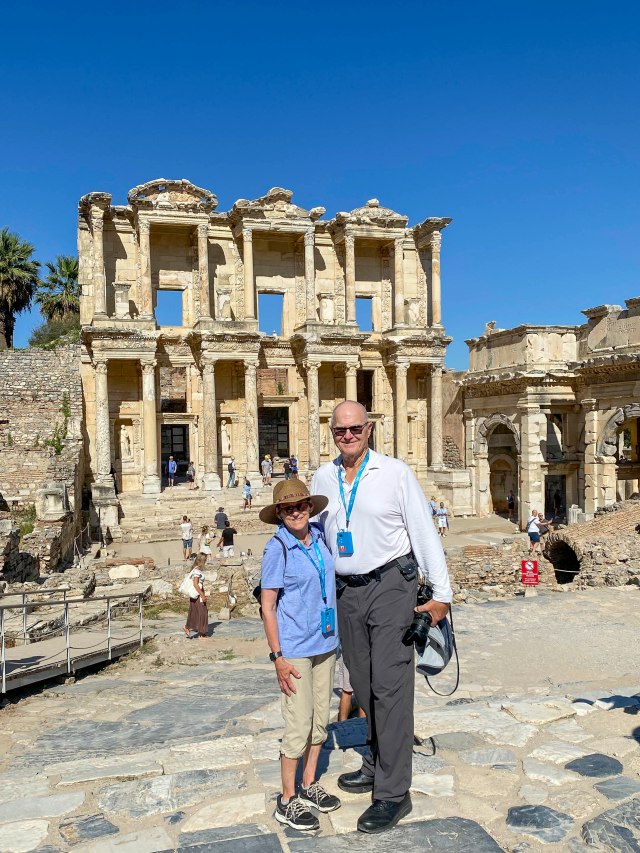
At this point, only the facade of the Library has been reconstructed with many ‘substitute’ recreations (the whiter portions).
.
.
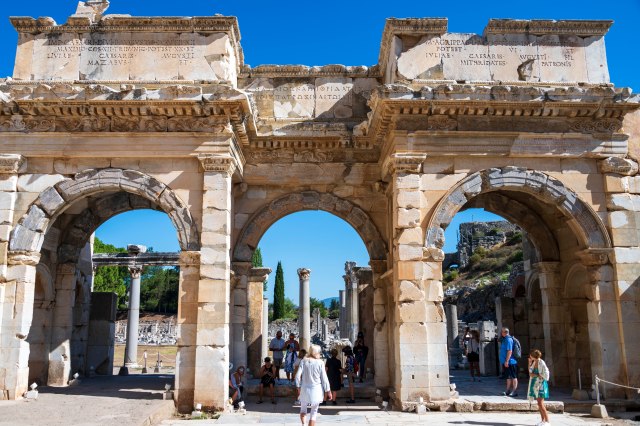
The Gate of Augustus adjacent to the library.
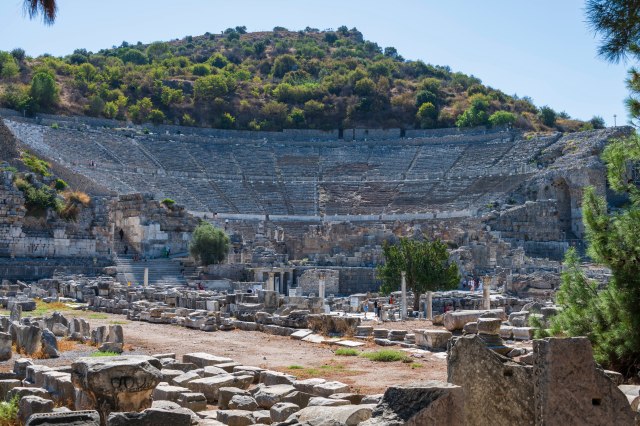
The large theatre held approximately 25,000 people.
To finish off the tour a little humor was added by a brief re-enactment by Caesar and Cleopatra and their servants and ‘fighters’ – –
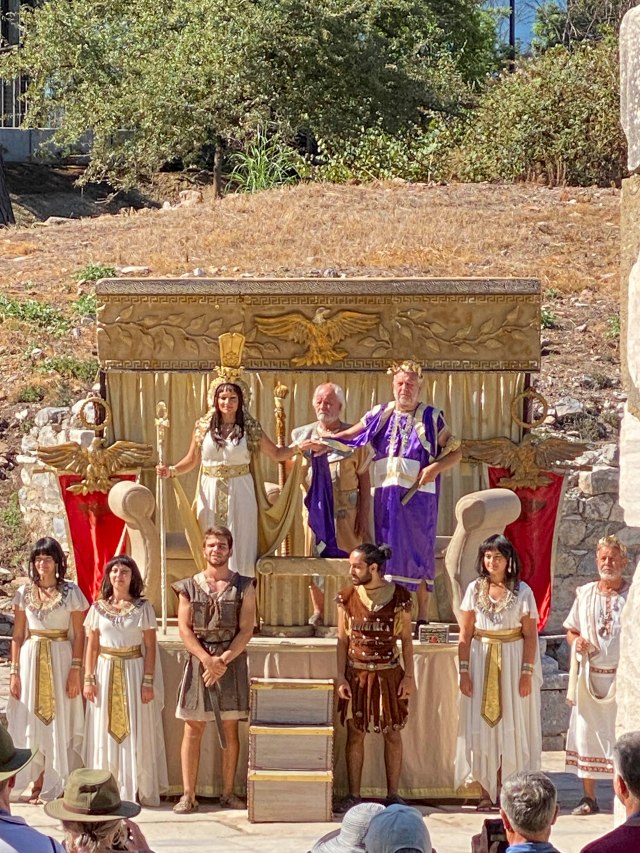
A reenactment of Caesar and his underlings.
Unfortunately, the city of Kusadasi was not a favorite. There was an interesting carpet weaving demonstration and the sharing of Turkish tea – but, perhaps the sign will say it all –
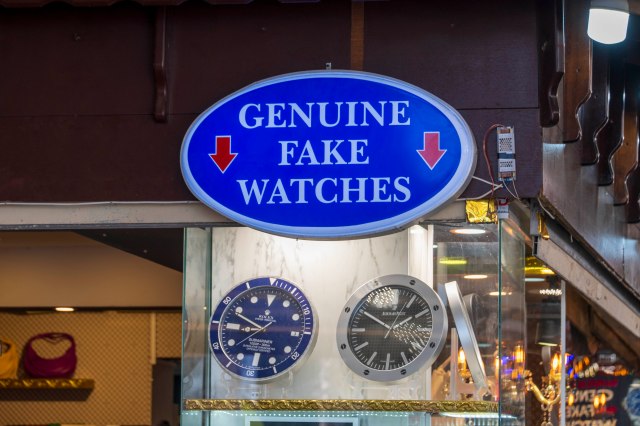
Self explanatory😂
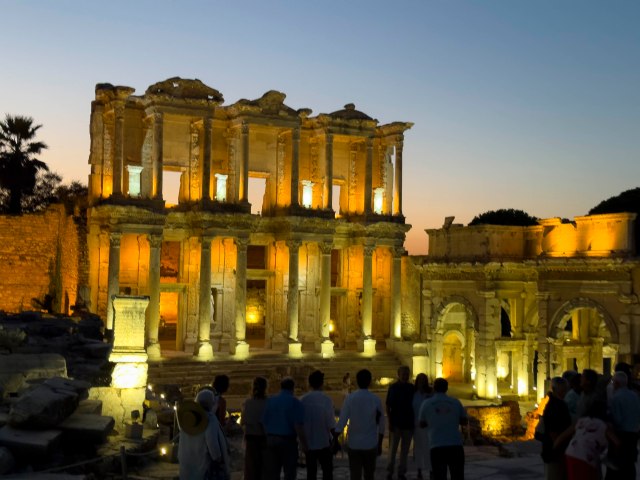
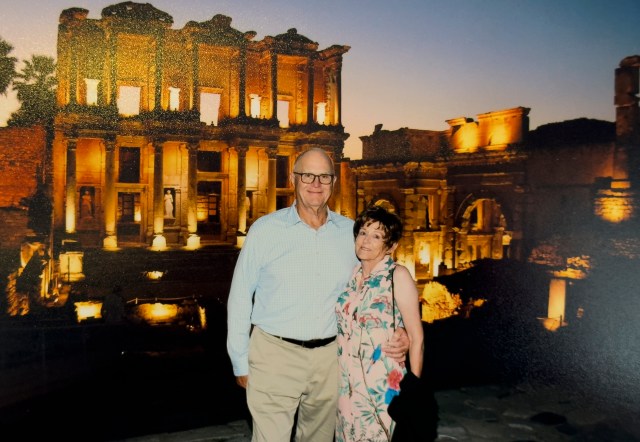
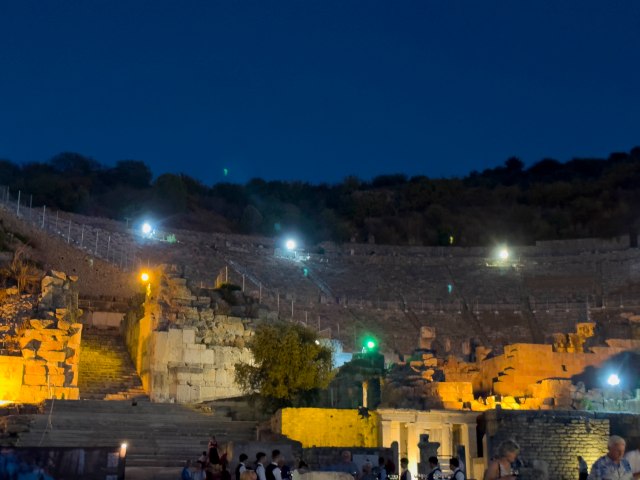
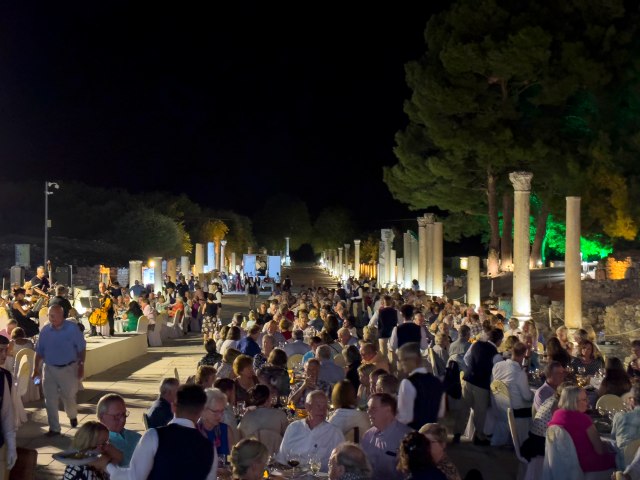
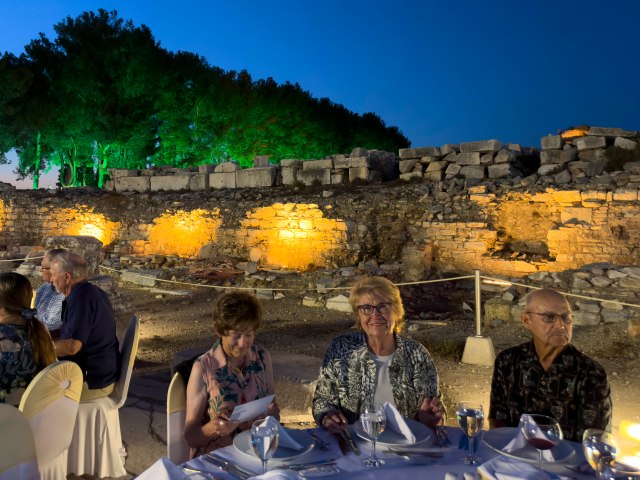
Perhaps the highlight of this Windstar cruise was the dinner at Ephesus. With 250 of our closest friends we made the 30 minute trip back to these fabulous ruins for an outstanding dinner under the lights. It was a beautiful sight and completely different than the daytime view. The details of the site have already been given – so just enjoy the views – –
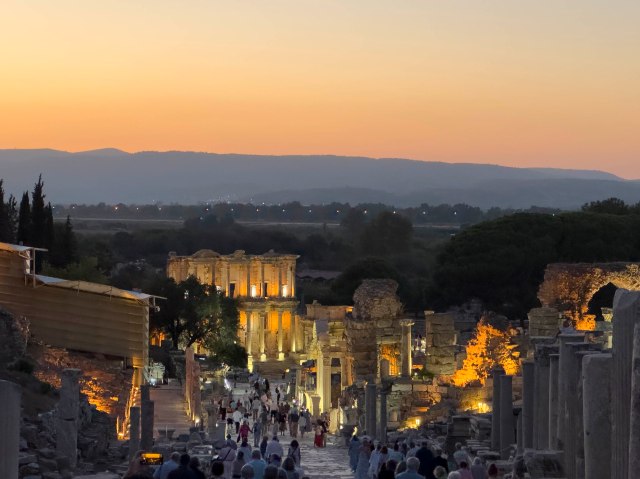
Ephesus at night.
.
.
Tonight, we walked the Marble Road from the Library to the Arcadian Street, which was constructed in the 1st century BC and later repaired by Roman Emperor Arcadius and made into a true ceremonial street. According to an inscription found during excavations the street was illuminated by fifty lamps at night. This night was pretty close to that;-)
.
.
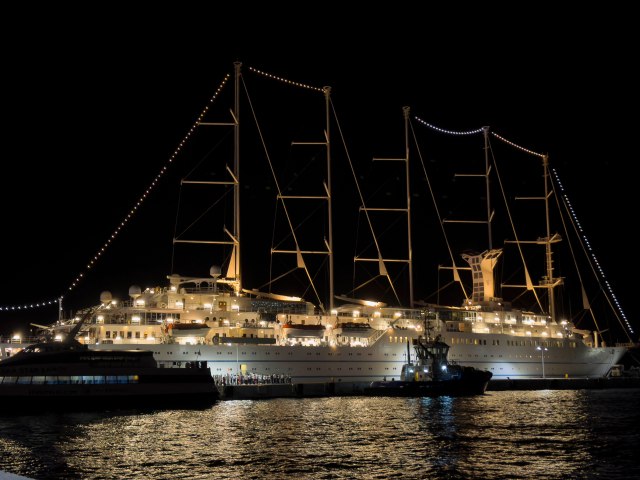
The end of a beautiful evening.
The stay in Kusadasi – and most important the tour of Ephesus – was excellent. There is so much history and fabulous sites showing that civilization’s needs, wants and desires have changed very little over thousands of years. It might be the desire for a comfortable place to live – adorned as one can afford – or a theater for all to enjoy because the arts are so important to the well-being of individuals. It just doesn’t change!
E & G – wowed by Ephesus


You are opening a whole new world to me. Ephesus is a whole new city for me now.
Gary your pictures are incredible, so clear. I have written to you before but I always have trouble getting the message to you. My computer skills are sorely lacking. God speed
LikeLike