Mt. Rainier – The Great Mountain

Mount Rainier – The offspring of fire and ice born more than a half million years ago.  Lava and ash surged out of the young volcano’s vent thousands of times, filling the neighboring canyons and building up a summit cone to a height of some 16,000 feet.   The tallest peak in the Cascade Range that dwarfs the surrounding summits and, like Mount St. Helens and other Cascade volcanoes, an active volcano with the potential to erupt again.  Unlike Mount St. Helens, however, it has been more than a century since this mountain erupted and more than a century (1899) since it was designated by Congress as a National Park.


The mountain wonderland that is Mount Rainier NP includes dense old-growth forests of Douglas Fir, western red cedar and western hemlock; seemingly endless subalpine meadows of breathtaking wildflowers; AND 25 major glaciers which form the largest collection of permanent ice on a single US peak south of Alaska.


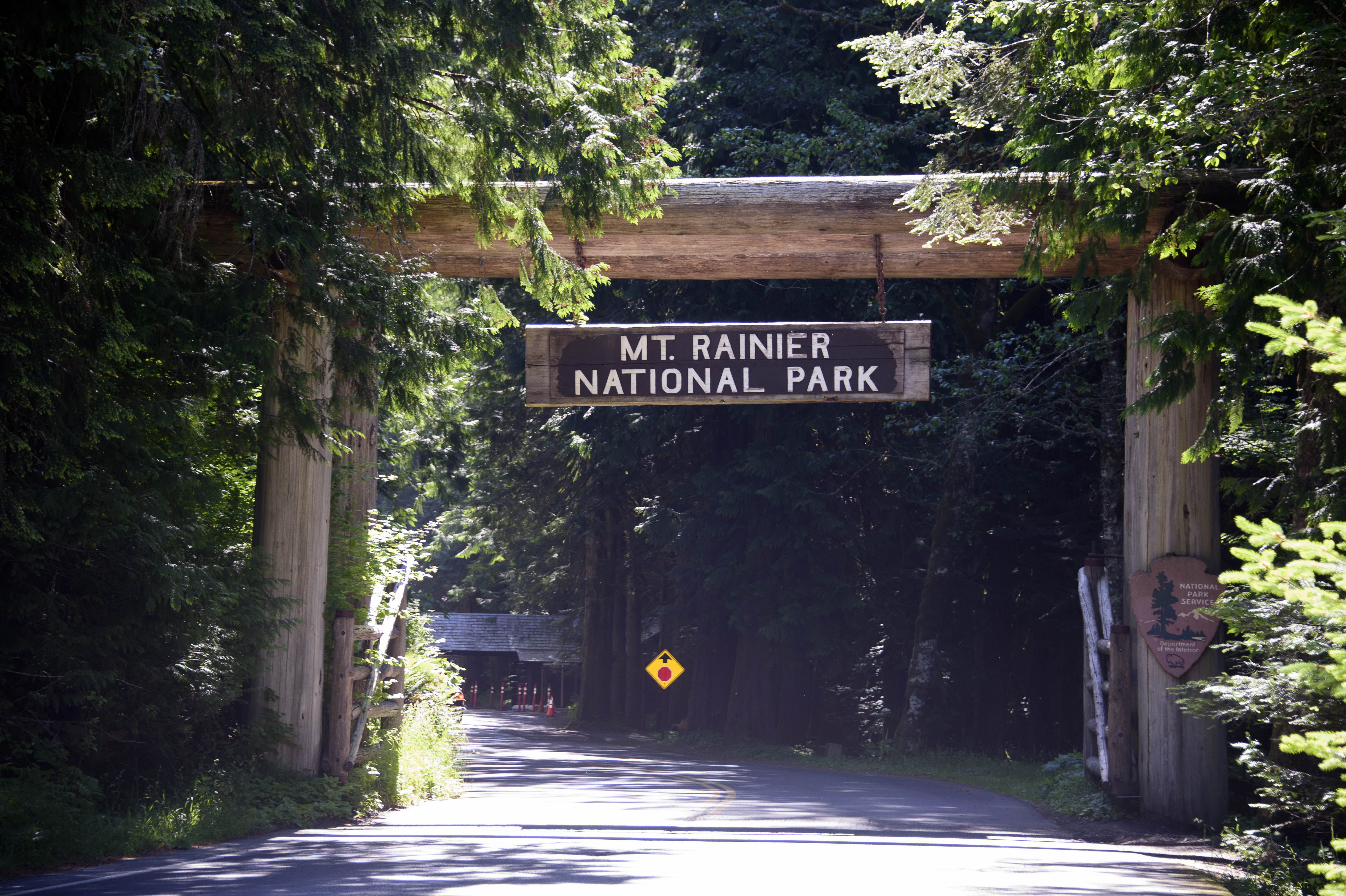
So – into the park, where even the entrance gate is monumentally proportioned!  Four cedar-log columns almost four feet in diameter and three log beams spanning the roadway were erected in 1911 to create a pergola with a clearance of eighteen feet.  In 1973 the massive logs which deteriorated did have to be replaced – but, it was redone identical to the original.
 

18 2015 06 13 Rainier 001

What a Grand Entry for a Grand NP


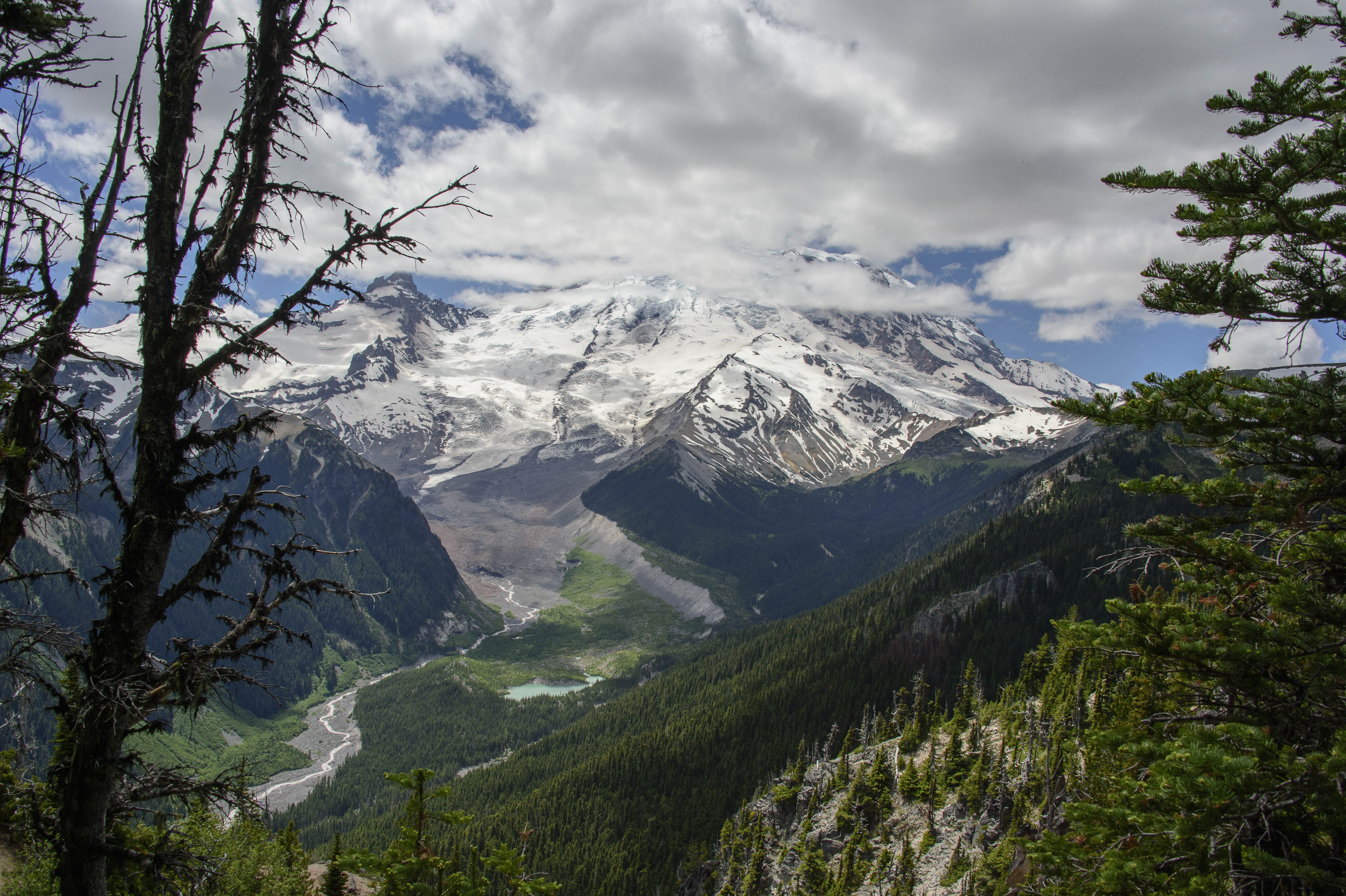
It was a beautiful, sunny day so we headed to the highest point in the park reachable by car – Sunrise;-)  (The winter season misfortune of lack of snow was our fortune in that this area was already open due to the low snow pack this past winter.)   The view provided here is the northeast portion of Mount Rainier with a spectacular view of Emmons Glacier, Rainier’s largest covering more than 4 square miles.  The terminus of the glacier is just where you can see the stream beginning.
 

19 2015 06 13 Rainier 027

Emmons Glacier on the north east side of Mt. Rainier, taken from Sunrise.


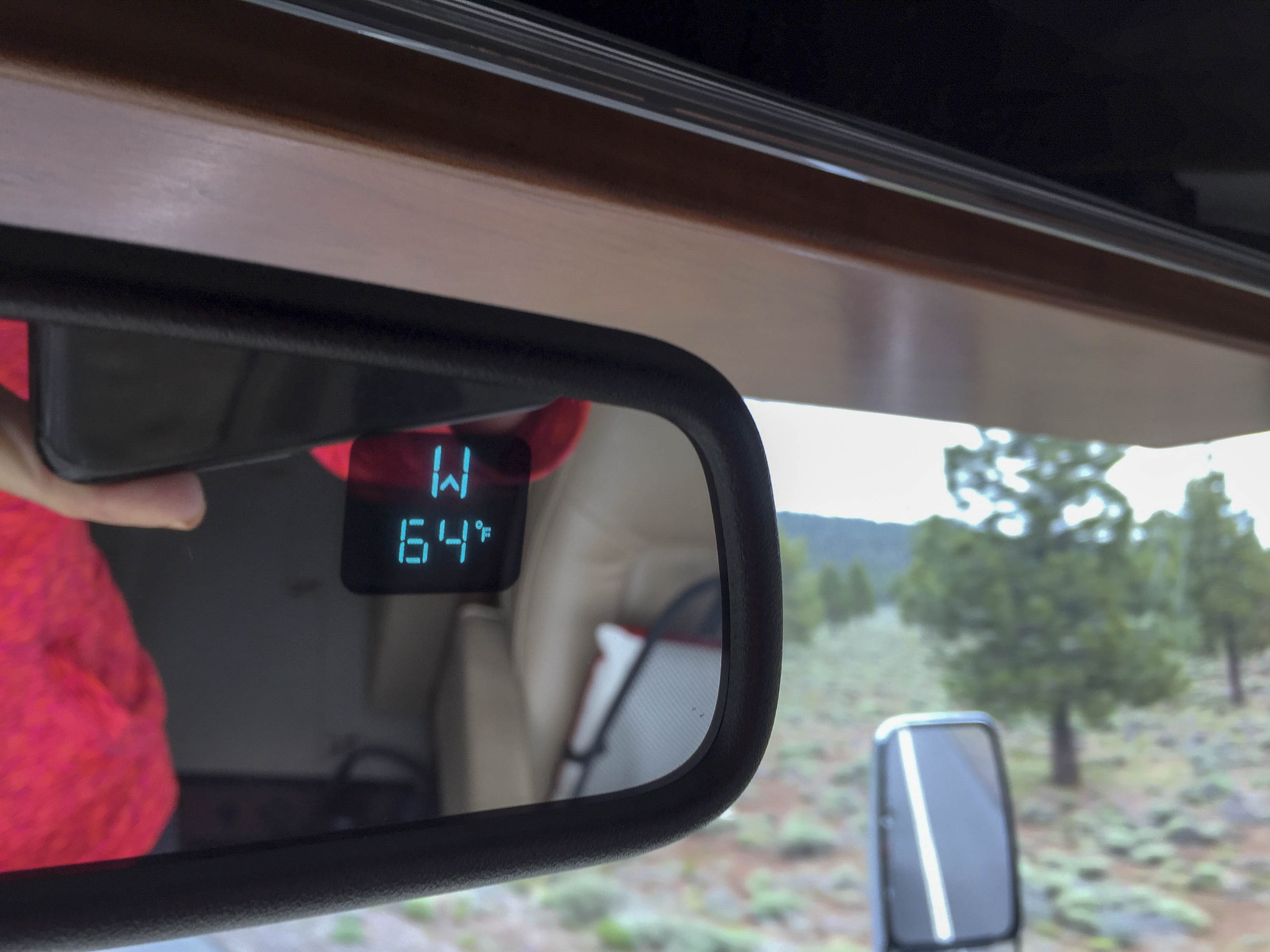
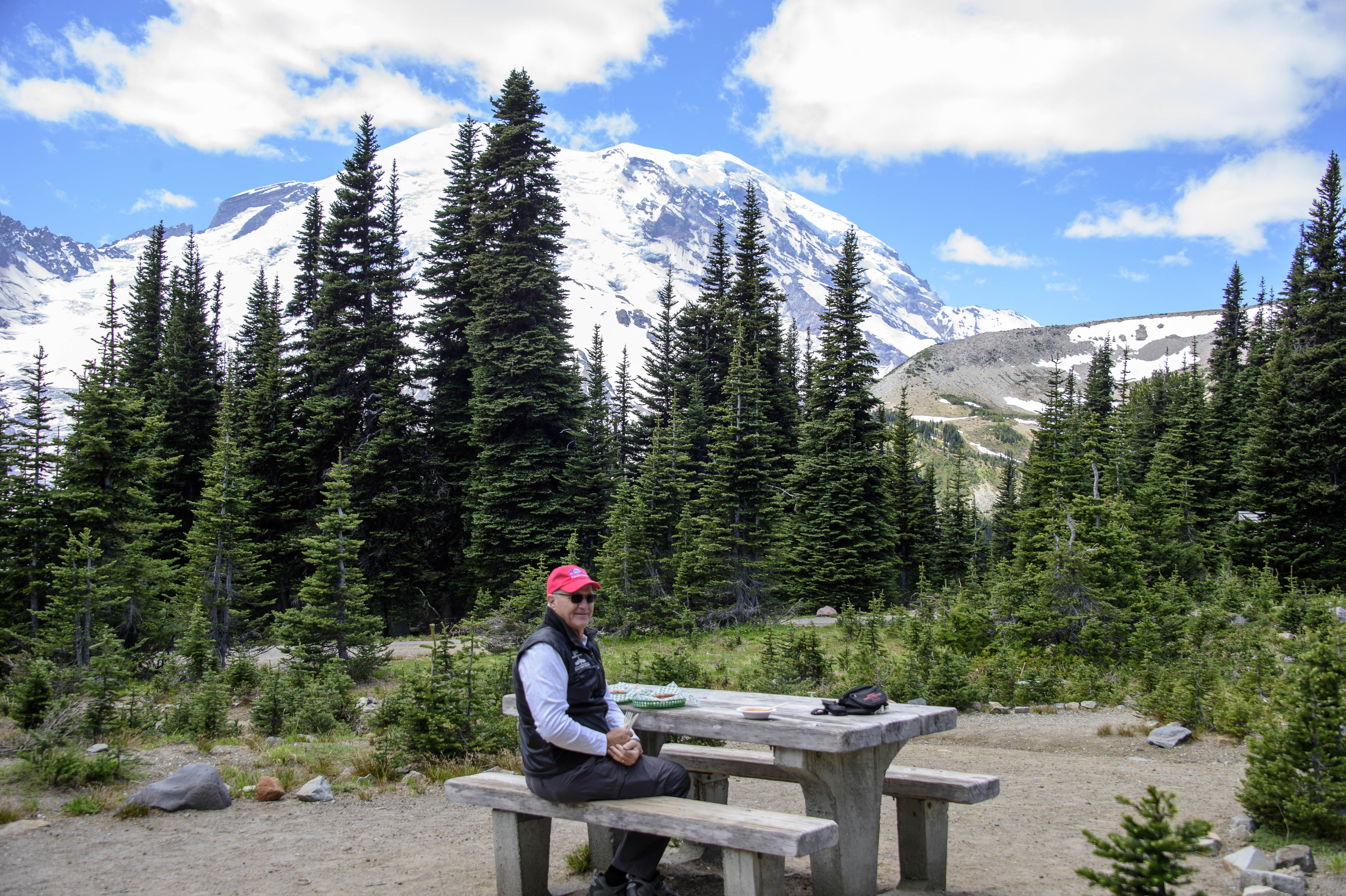
At 6400 feet, the temps were a cool 64 degrees and we were near the tree line.  At this altitude the harsh temperatures and winds stunt the trees into twisted shrubs called elfin timber.  Trees only inches in diameter may be 250 years old.  You can see examples in this picture of our GREAT lunch spot – –
 

20 2015 06 13 Rainier 019

Great view from our picnic lunch near the Sunrise Visitor Center.


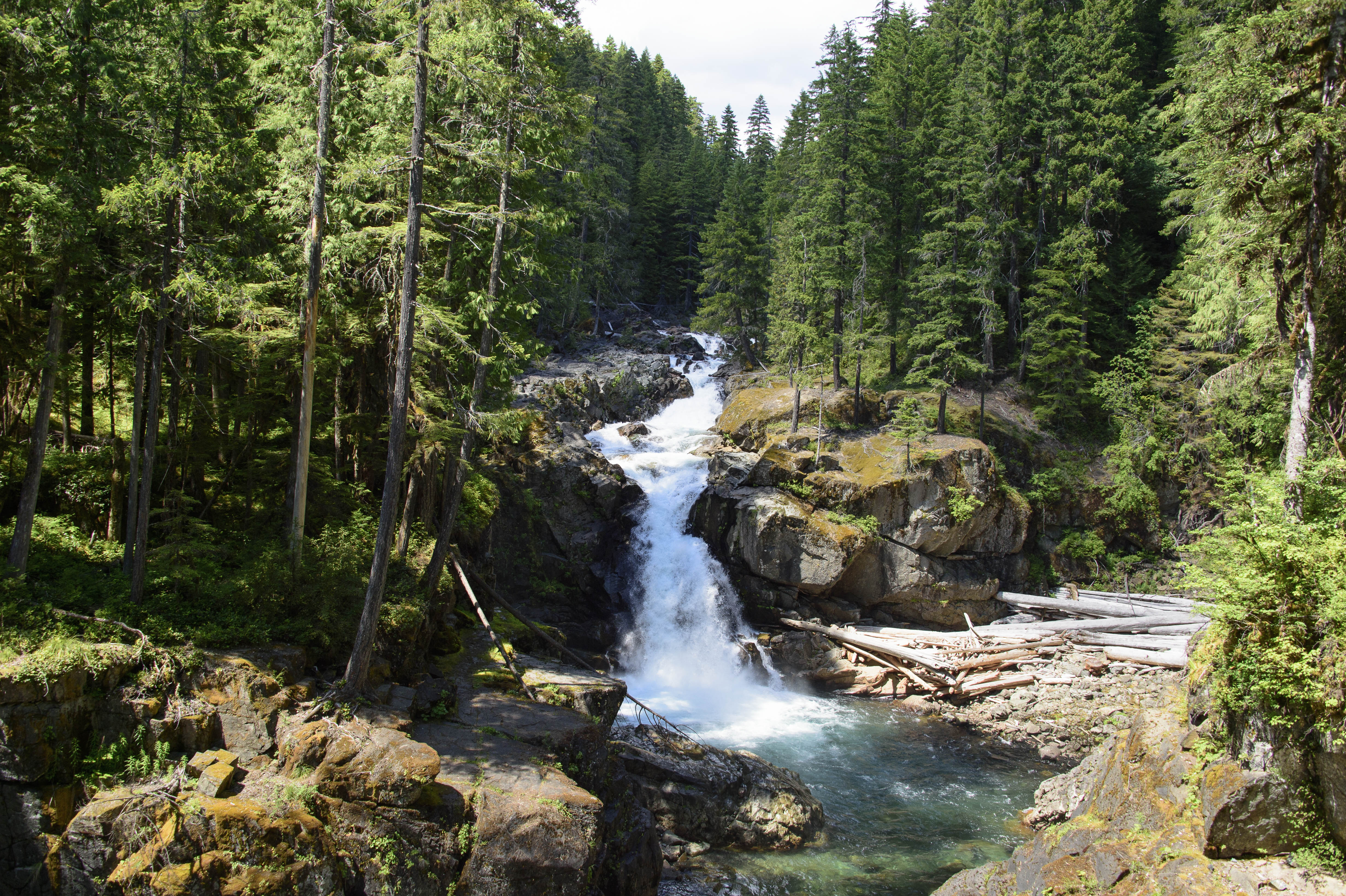
Time to head to lower elevations to warm up a bit and to continue our adventure.  With all these mountains and glaciers – you can imagine that there were LOTS of waterfalls to provide even more beautiful sights.  Here was the first of many that presented itself after a short .5 mile hike – –
 

21 2015 06 13 Rainier 032

Silver Falls.


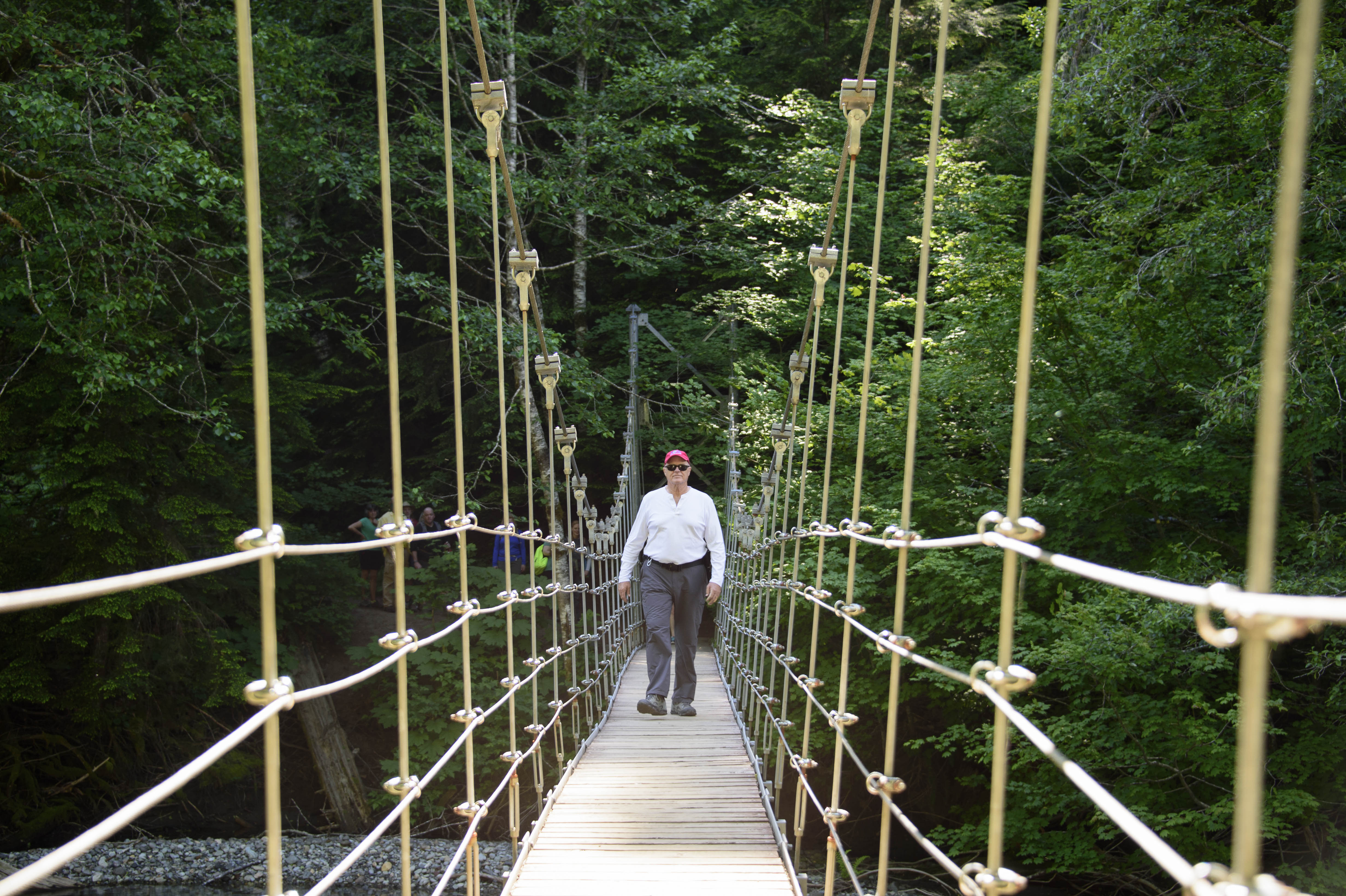
Glaciers,  waterfalls – now time for the old forests.  A short 1.3 mile loop through the Grove of the Patriarchs revealed grand old Douglas firs, western red cedars and western hemlocks, many of them 500 to 1,000 years old.  But, in order to get there we had to go to Tom Sawyers Island (not really, of course) – –
 

22 2015 06 13 Rainier 035

Crossing the bridge to the Grove of the Patriarchs.


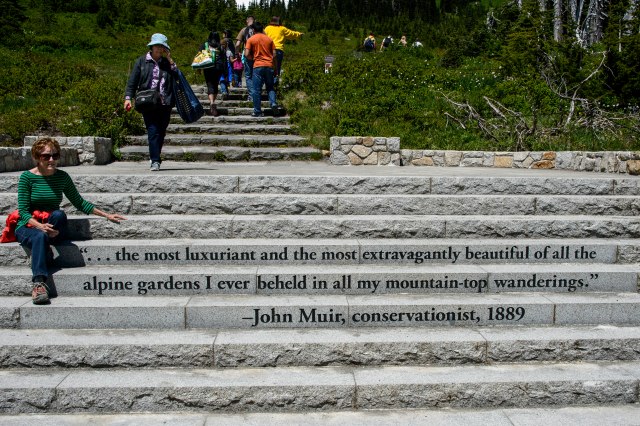
Off to Paradise – really!!  Martha Longmire, along with her husband the ‘discoverers’ of the park area, exclaimed in 1885 on first sighting the rolling hills of wildflowers framed by Mount Rainier’s white dome – “It looks just like paradise!”  Truer words were never spoken – –
 

25 2015 06 14 Rainier 035

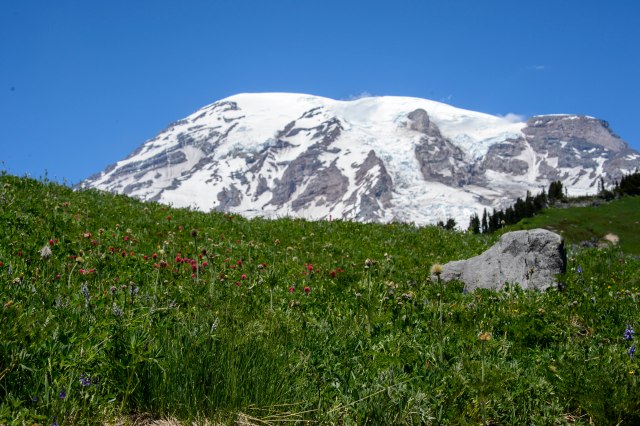
The magenta paintbrush was beautiful – although they should be in full splendor in about a month.
 

26 2015 06 14 Rainier 041

Nuf said!


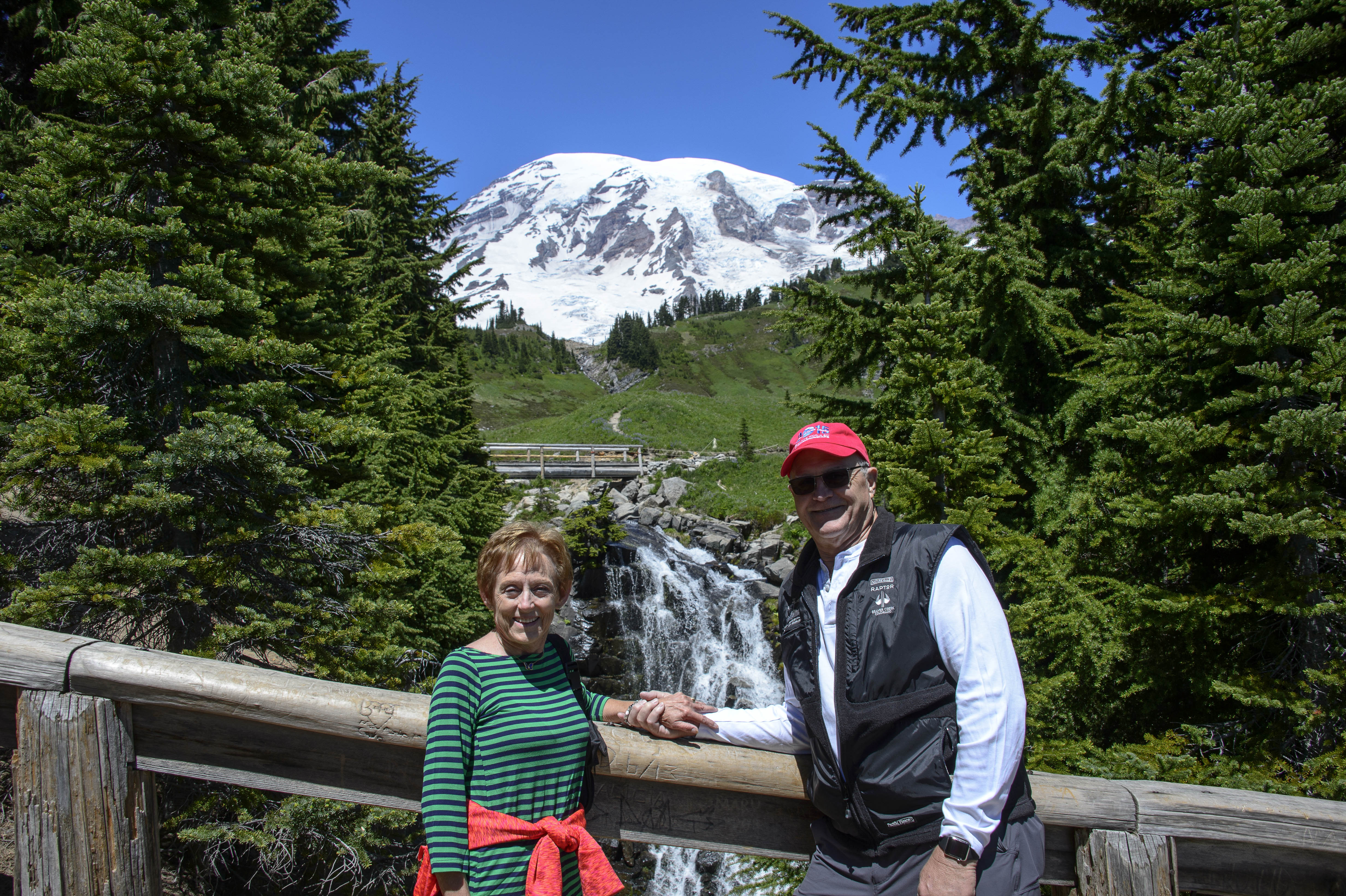
The Paradise meadow areas provide the incredible fields of flowers, beautiful vistas of Mount Rainier and its many glaciers and, of course, lots of streams and waterfalls.  Of particular interest to the Biaett family is Myrtle Falls – –
 

24 2015 06 14 Rainier 027

At Myrtle Falls in the Paradise area.


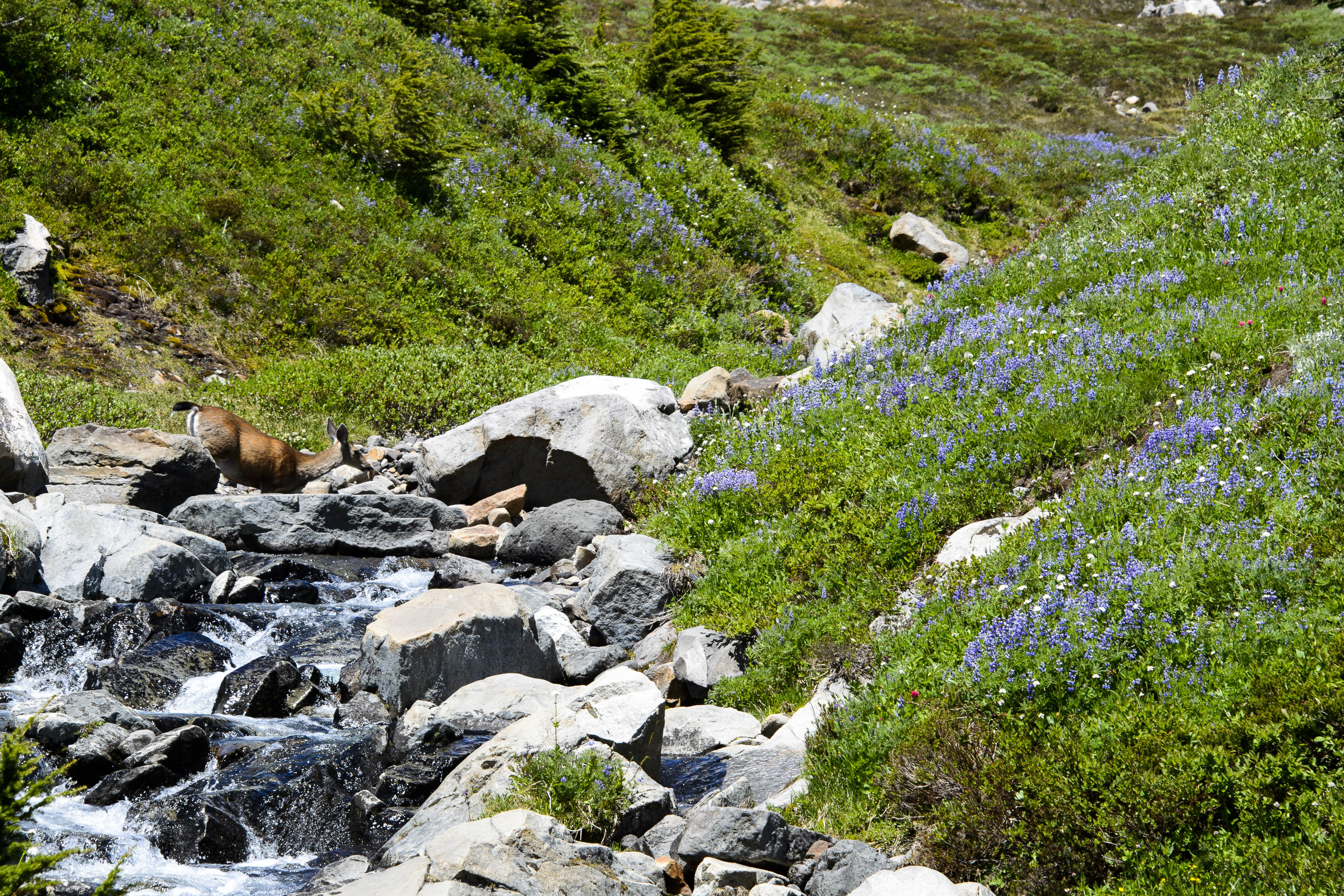
Above the falls an almost perfect picture presented itself – exquisite subalpine lupine, the running creek and the deer down for a drink oblivious to all the people snapping its picture;-)
 

27 2015 06 14 Rainier 032

A deer, a creek and more wildflowers.


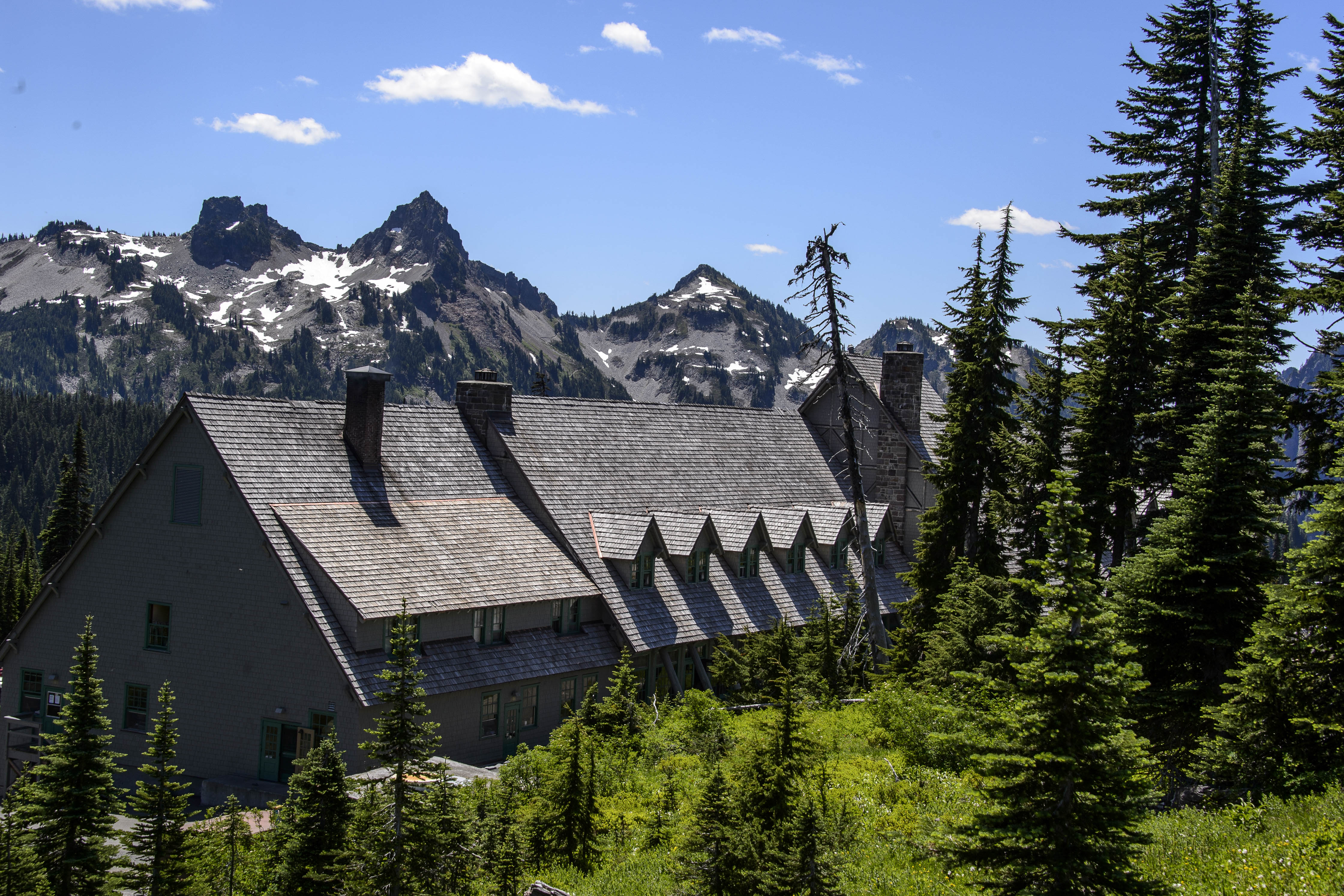
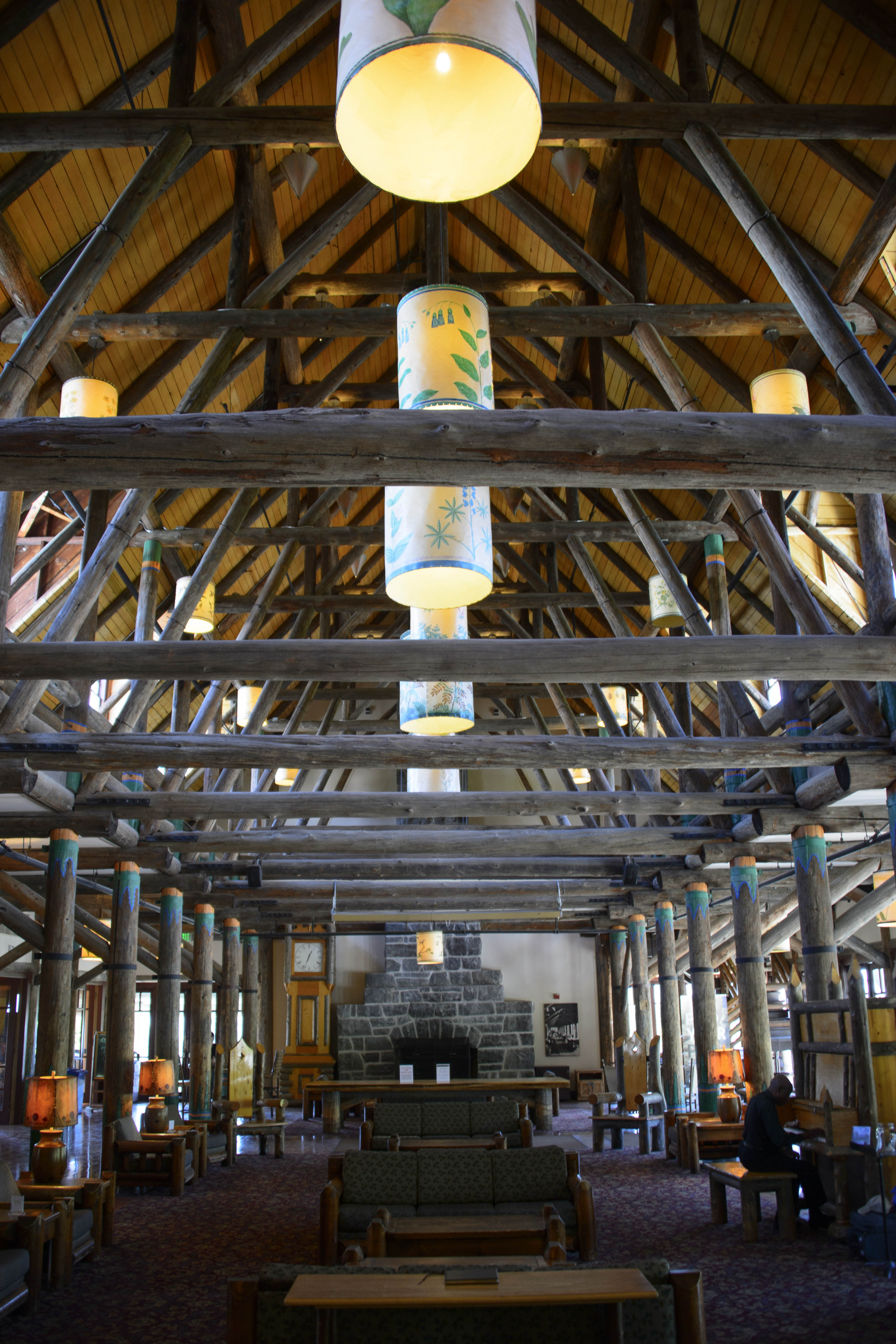
The Paradise Inn also resides at Paradise.  Set on a site that provides views of the saw-toothed peaks of the Tatoosh Range (dramatic remains of lava flows that predated Mount Rainier by some 25 to 35 million years!), Mount Rainier and the valley, the Inn opened on July 1, 1917.  Many dignitaries have passed through its doors – including Cecil B. DeMille, Sonja Henie, Harry S. Truman and Shirley Temple.  Well seasoned timbers from the silver forest were selected to build the Inn.  Huge gable roofs over the main lobby section and the dining room were more than two-thirds the height of the structure.  Steeply pitched roofs were created to shed the severe winter snows.  The lobby is a masterpiece of rustic framing and spatial architecture.  Perhaps the most important decorative element in the lobby is the handcrafted Alaskan cedar furniture made by a German woodcrafter who stayed at the Inn during the winter of 1916-1917.  Included was a grandfather clock and a piano once played by Harry S. Truman.  (They serve a pretty good Sunday Brunch here too!)
 

28 2015 06 14 Rainier 021

The Paradise Inn windows seem to follow the ridge line of the rugged Tatoosh Range – a result of the lava flows.
 

29 2015 06 14 Rainier 018

The lobby of the Paradise Inn – check out the clock next to the fireplace and the piano in the middle right.


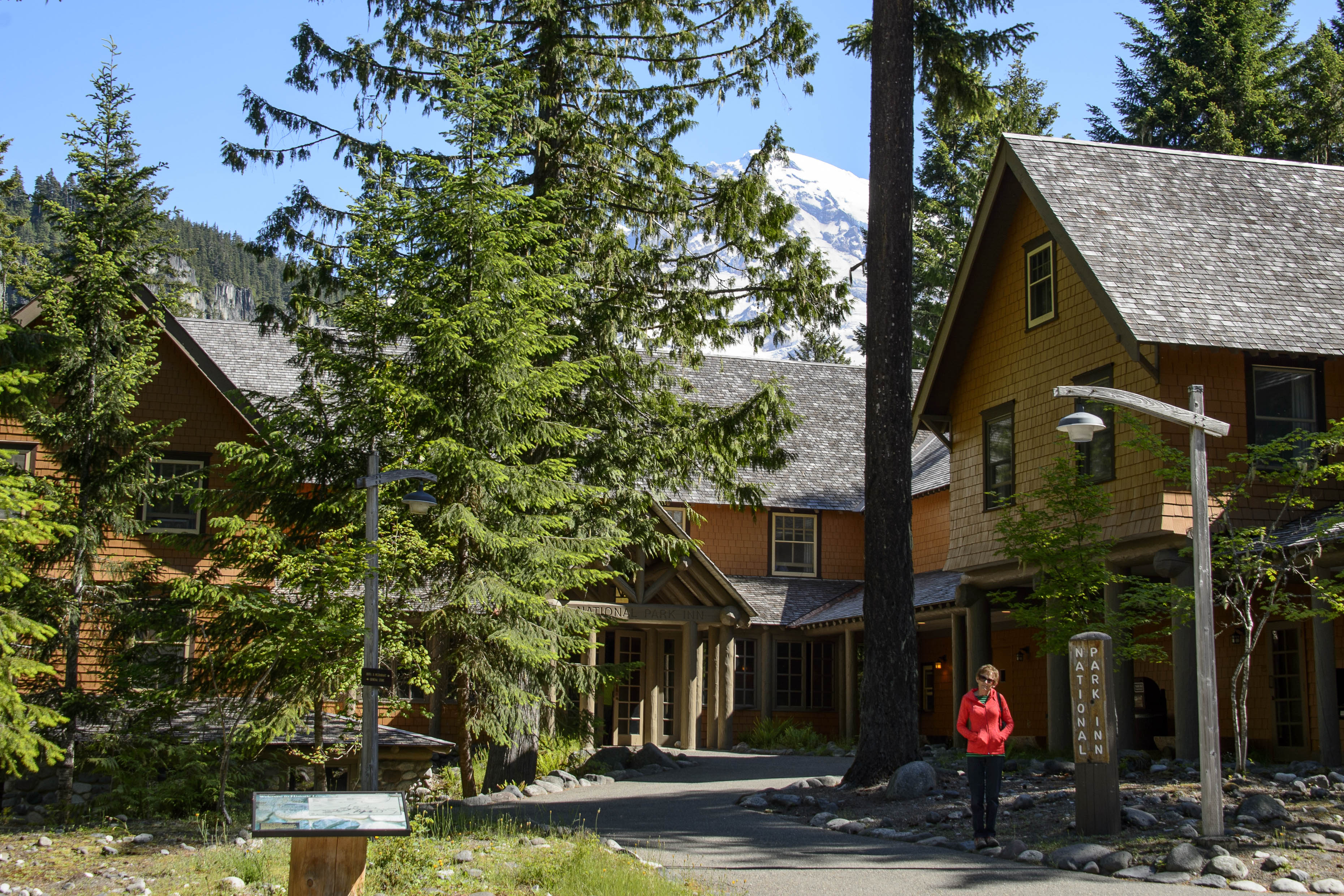
As mentioned above, James Longmire and his wife came to this area in the 1880’s.  James discovered mineral springs here in 1883 and built Mount Rainier’s first hotel.  His ads for miraculous water cures helped generate early tourism and a constituency for the creation of the park.  Although his hotel did not survive, a second hotel built at Longmire between 1916 and 1918 (renovated in the 1990’s) still exists as the National Park Inn.  The view on the front porch is stunning.
 

30 2015 06 14 Rainier 004

The National Park Inn in the Longmire area of the Park.


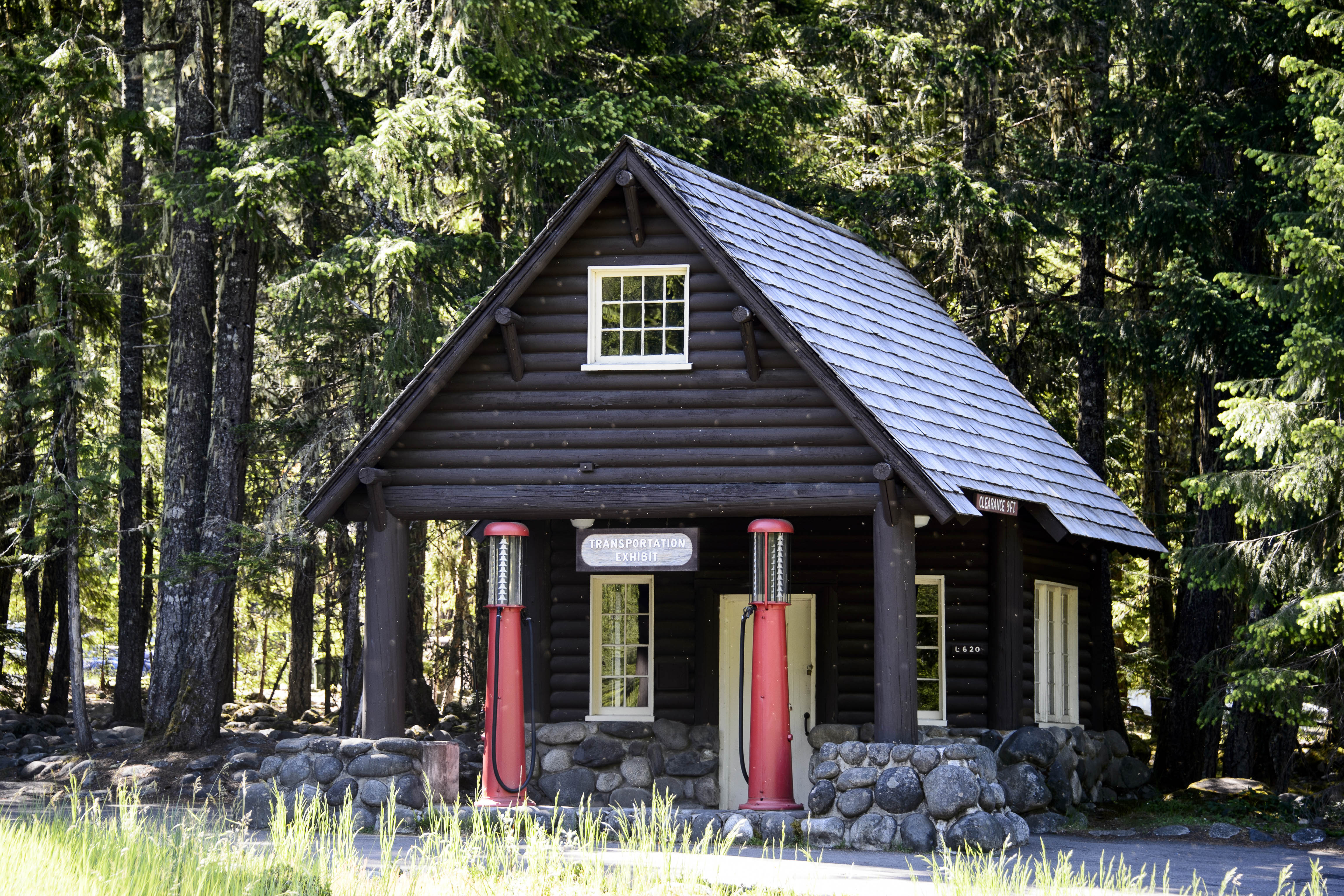
Another building of importance in this area is the Longmire Service Station completed in 1929.  It was not always easy to get to Mount Rainier.  Early visitors reached the park by horse or carriage.  Improved roads and the arrival of the automobile in 1907 simplified access to the mountain experience.  Mount Rainier was selected as the first national park to experiment with automobile access and this building was essential to those early motorists.
 

31 2015 06 14 Rainier 009

Early 1900’s gas station.


After all the history lessons, it was time to see a few remaining sights, including more Tatoosh Mountains created by those ancient lava flows.
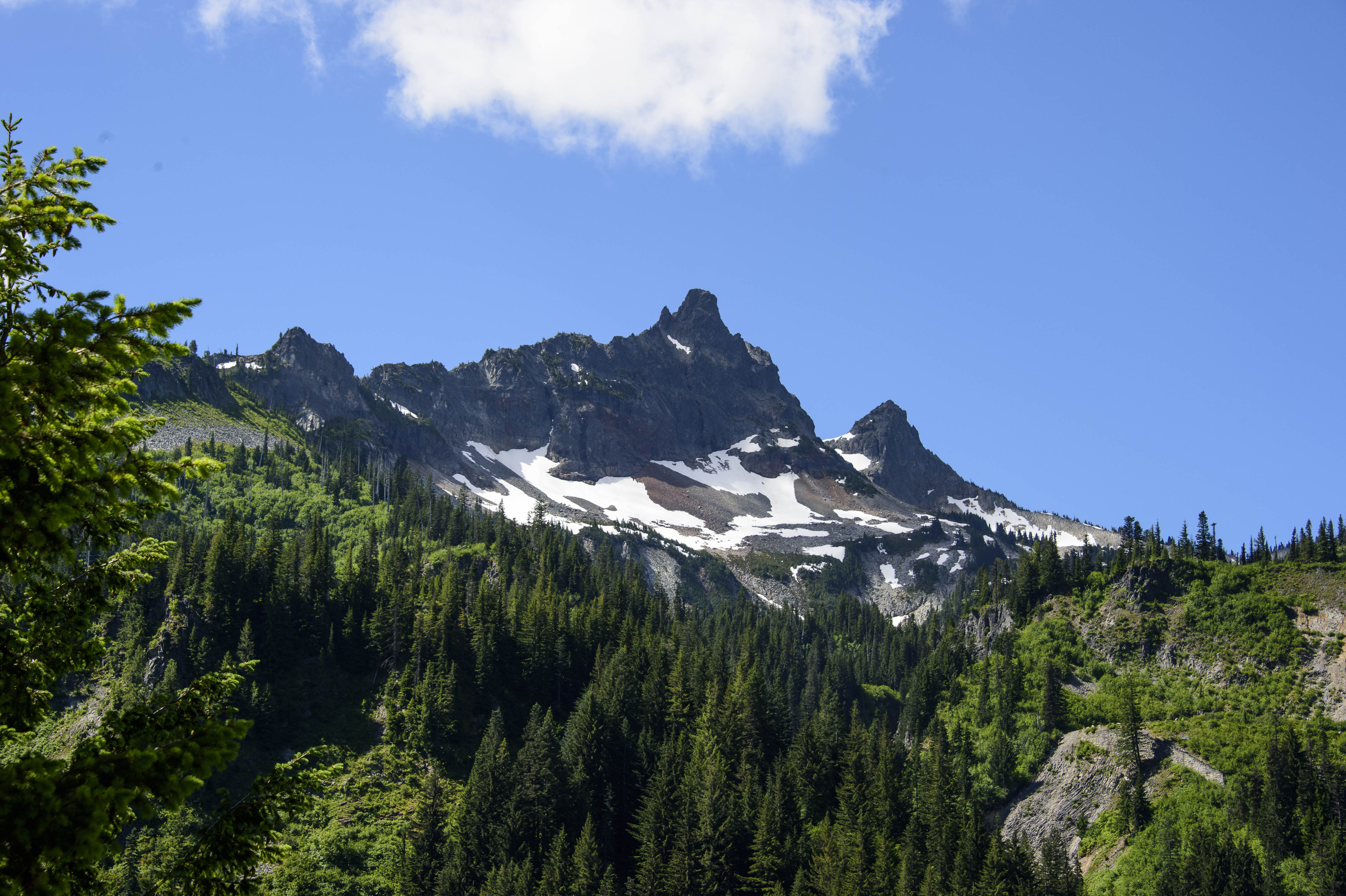
 

33 2015 06 13 Rainier 008

Sawtooth peaks abound in the Park.


Two more waterfalls called to us, also.  First – Narada Falls, which plunges 168 feet in a beautiful display with a rainbow at the bottom – if you are lucky.  The bridges over these two falls are reminiscent of those we saw at Acadia NP on the Carriage Roads.
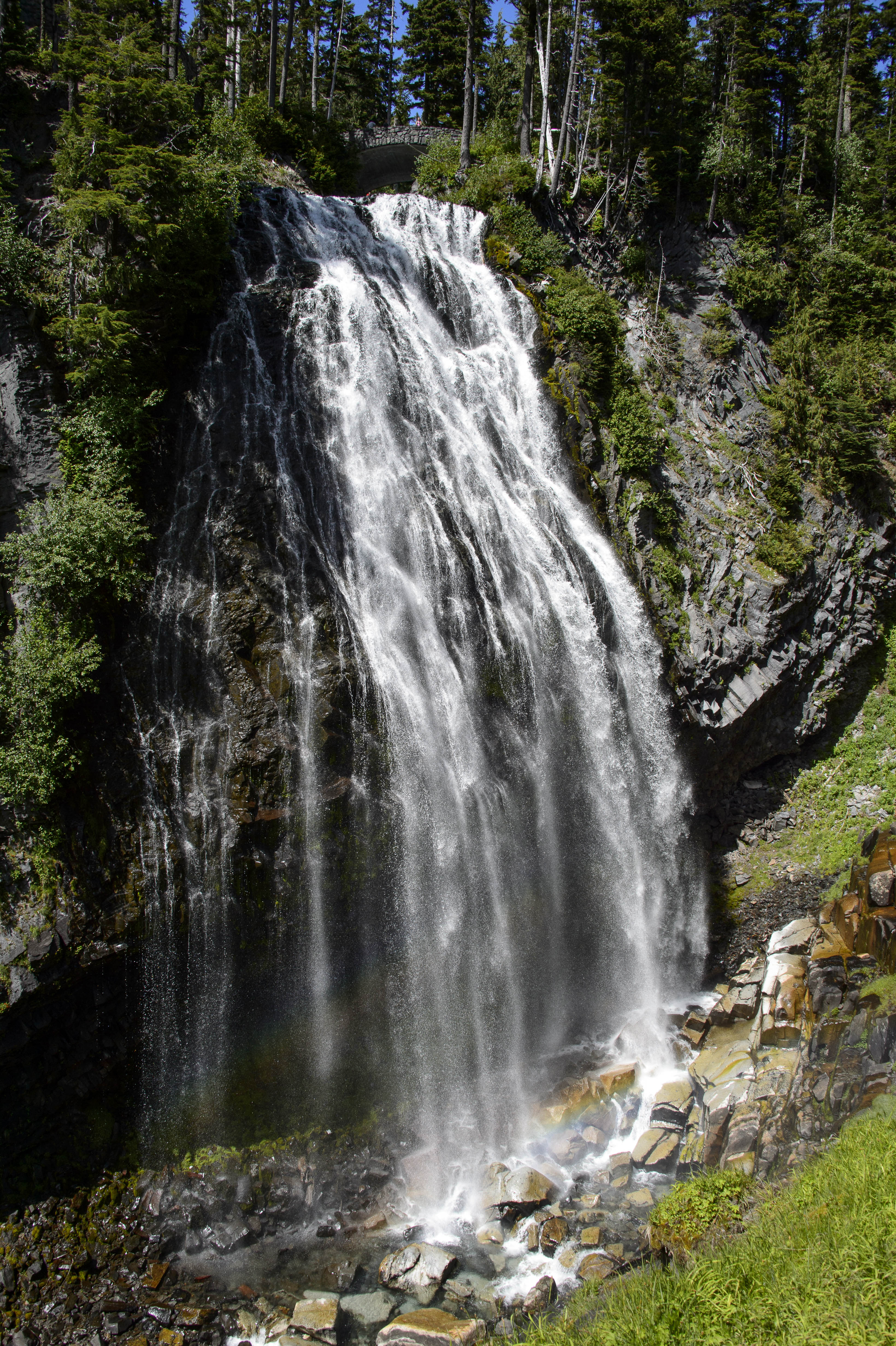
 

34 2015 06 14 Rainier 043

Narada Falls on the Paradise River


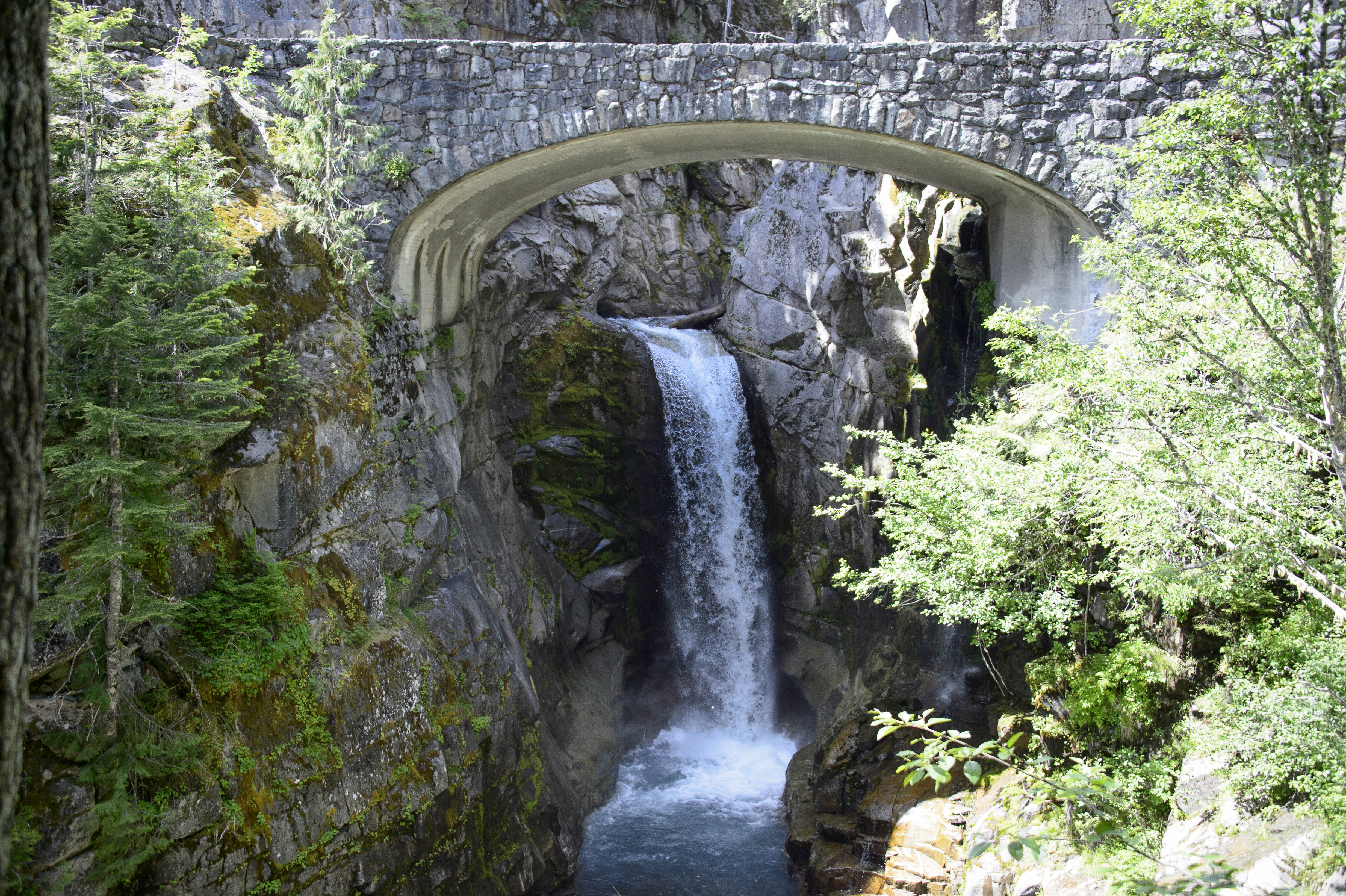
Next is Christine Falls with another great bridge that becomes the picture to see.  The fifty-six foot span is one of the finest examples of a necessarily functional design that blends with the natural setting.
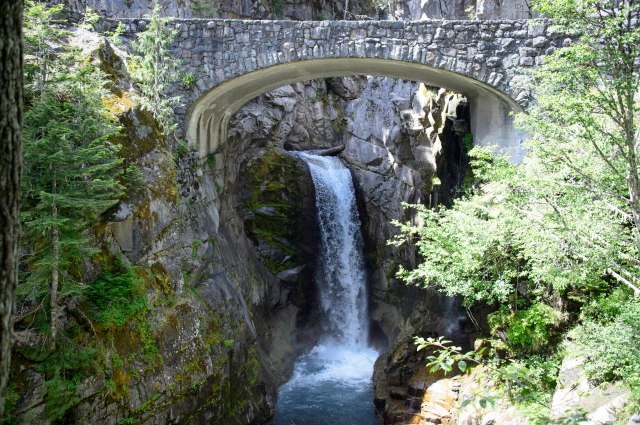
 

35 2015 06 14 Rainier 048

Christine Falls.


One last look at The Great Mountain and the Nisqually Glacier facing us (about 4 miles long and flows downhill 6 to 12 inches every summer’s day – –
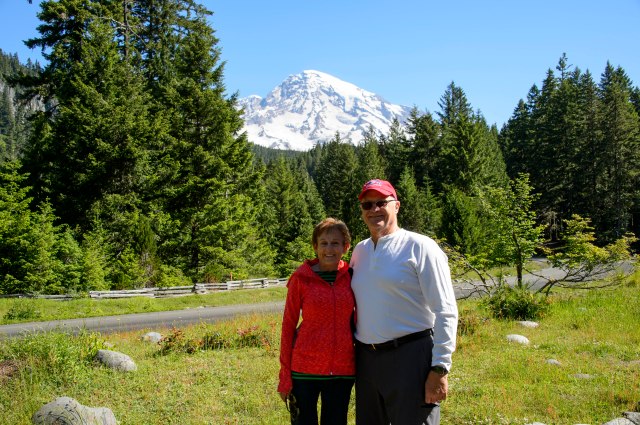
 

23 2015 06 14 Rainier 007

One More Look –  Still Stupendous.


The breezes on the Reflection Lakes just would not cooperate with us this trip.  There was just enough breeze to create the ripple that prevented us from getting that great reflection shot.  But, the view was great – –
 

32 2015 06 13 Rainier 004

A little breezy at Reflection Lake..


And so we said good-bye to Mount Rainier;-(  But, we will be back another time as there are many more hikes we did not get to AND we have to get that perfect reflection picture;-)


E & G on our way to Olympic NP – –
Mt. St. Helens

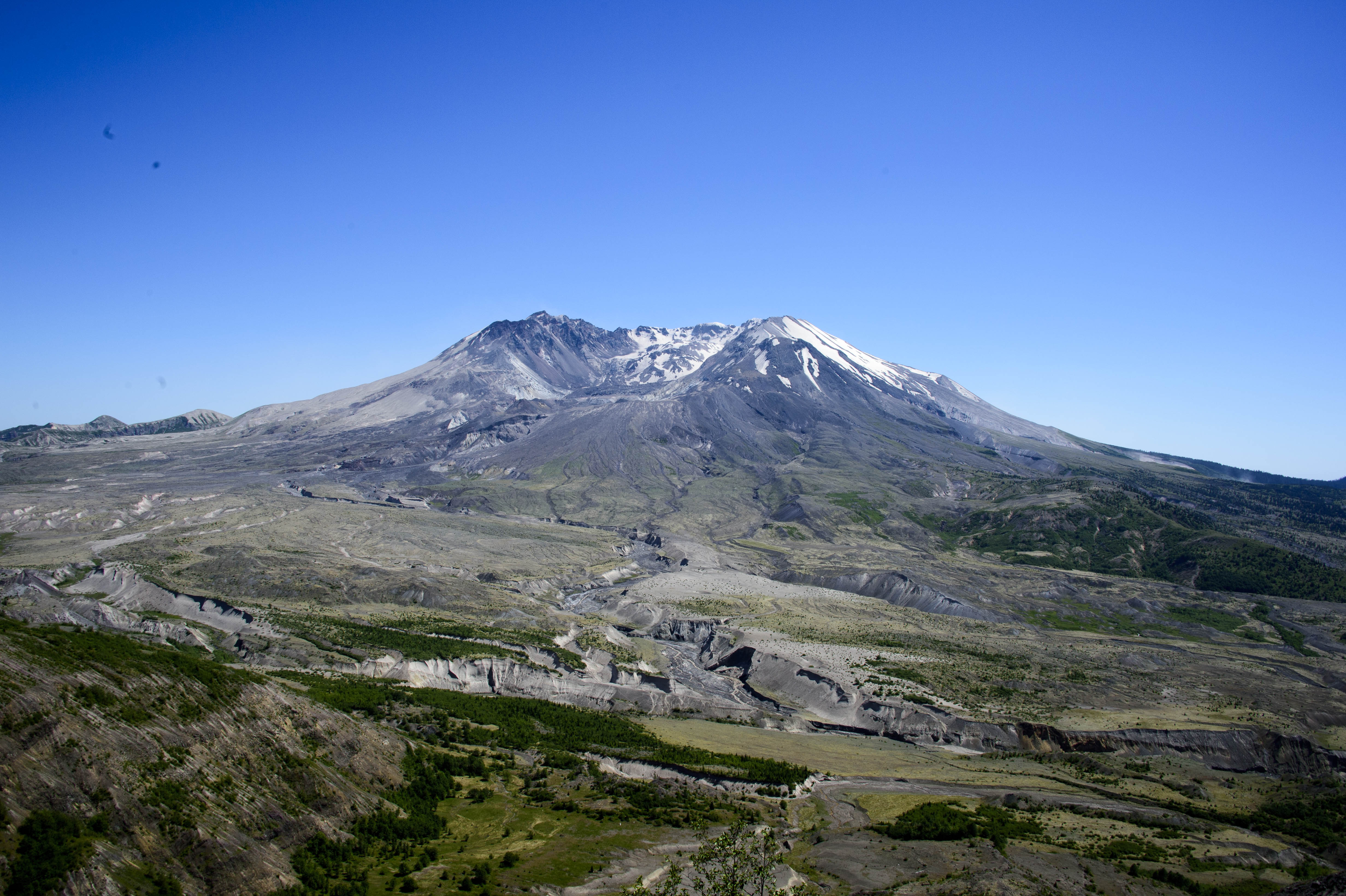
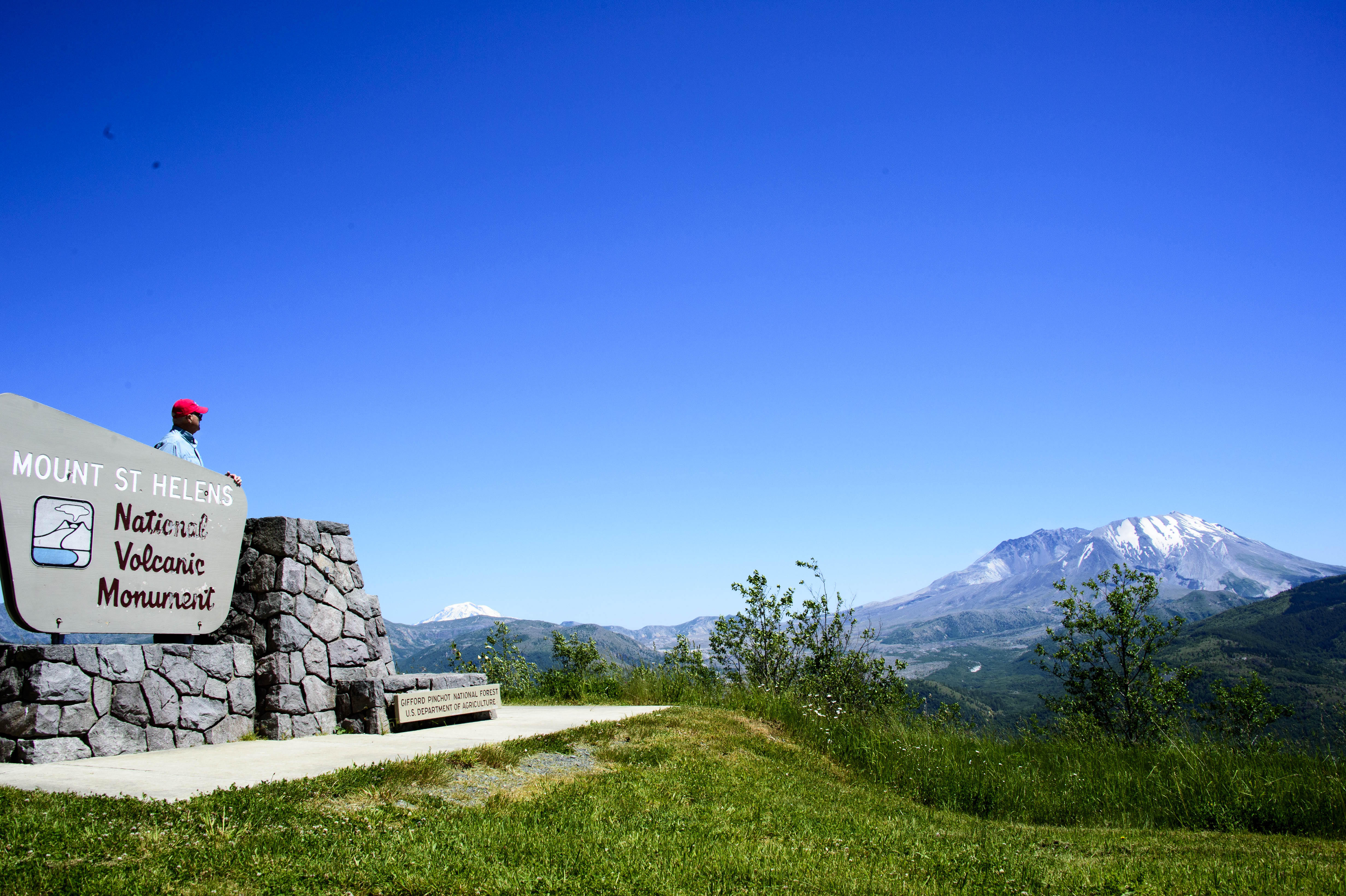
As we began our visits to the Washington State National Parks, we also began our visits to several volcanoes in a chain that extend from southern British Columbia to northern California – Mount Baker, Mount Rainier, Mount Adams, Mount St. Helens and into California are Mount Shasta and Mount Lassen (although we passed by these last two on the way up, we will revisit them with more time on our way home in the fall).  The first of our visits is Mount St. Helens – unique in that its most recent eruption was only 35 years ago!  In fact, the 35th anniversary of the eruption was May 18 of this year.


13 2015 06 12 Mt St Helens 006

Mt. St. Helens on the right and Mt. Rainier in the distance on the left.


In March 1980, after 123 years of silence, Mount St. Helens resumed volcanic activity.  The initial signs were modest – traces of steam and ash wafted from a vent near the summit and small earthquakes rumbled underground.  On May 18 the mountain blew.  A 5.1 magnitude earthquake triggered a violent eruption and one of the world’s largest recorded landslides.  1,300 feet of mountaintop collapsed into the valley below and claimed 57 lives and devastated almost 150,000 acres of state, national and privately owned forests.


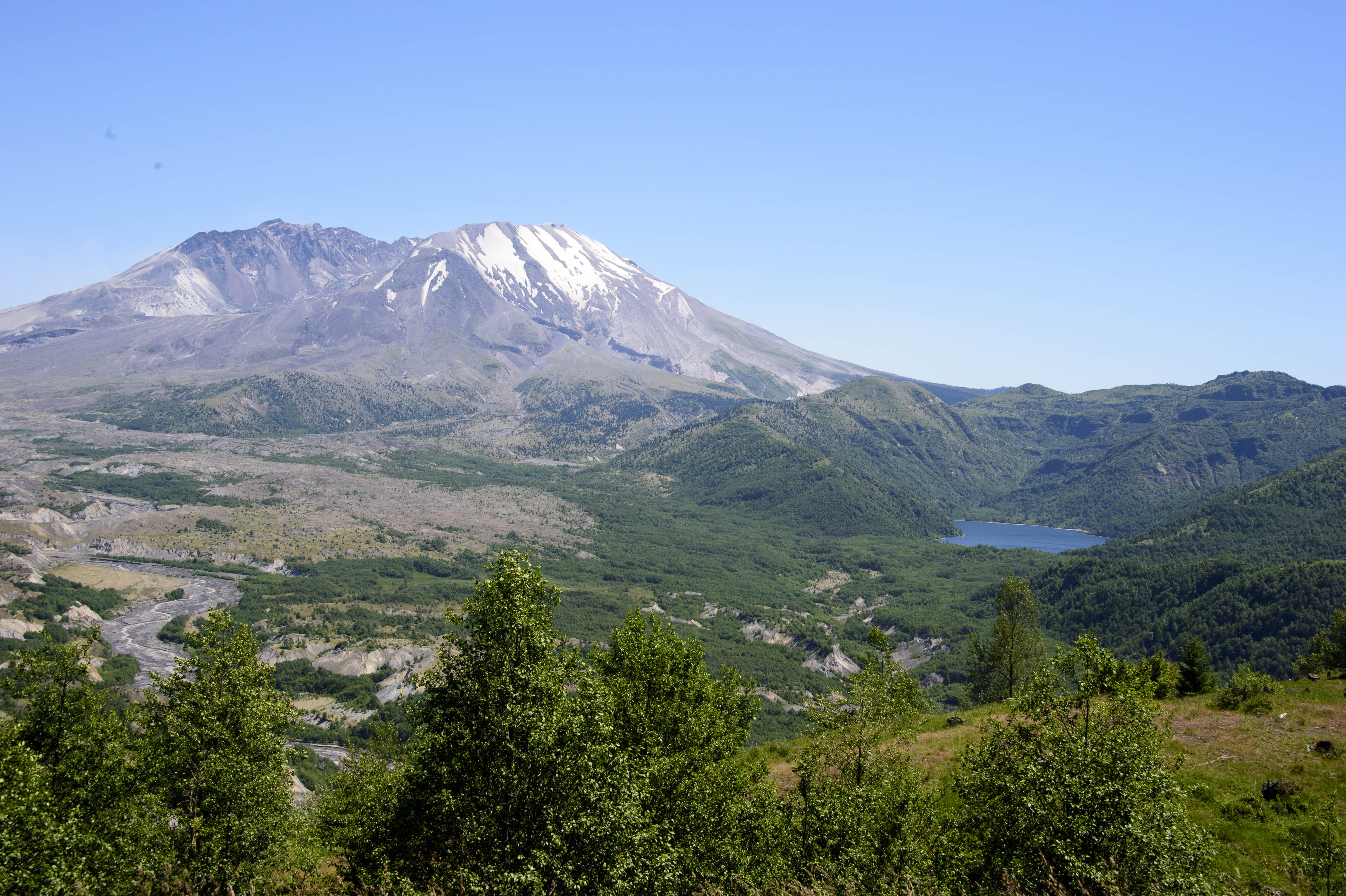
The Blast Zone had the appearance of a moonscape.  Few people thought anything could grow in this lifeless expanse.  However, within a month of the eruption, bracken fern 13 miles from the volcano had pushed its way from underground root systems up through six inches of ash.  Within a few years, it was joined by other vegetation including forests, although sparse and small.  August 26, 1982, Congress designated 110,000 acres around Mount St. Helens as Mount St. Helens National Volcanic Monument establishing a living laboratory to allow recovery to proceed naturally unaided by humans.  Within the boundaries of the NM there has been NO planting or human intervention (some grass seeding was done to reduce erosion).  What you see in the 2 pictures below is all Mother Nature’s work during the last 35 years – –
 

14 2015 06 12 Mt St Helens 011

Within the Park boundaries, no re-seeding was done.

15 2015 06 12 Mt St Helens 009

This is all Mother Nature’s doing.


It is truly hard to believe that existing root systems and wind, rain and animals moving seeds could recreate this environment.  Very interesting to see.


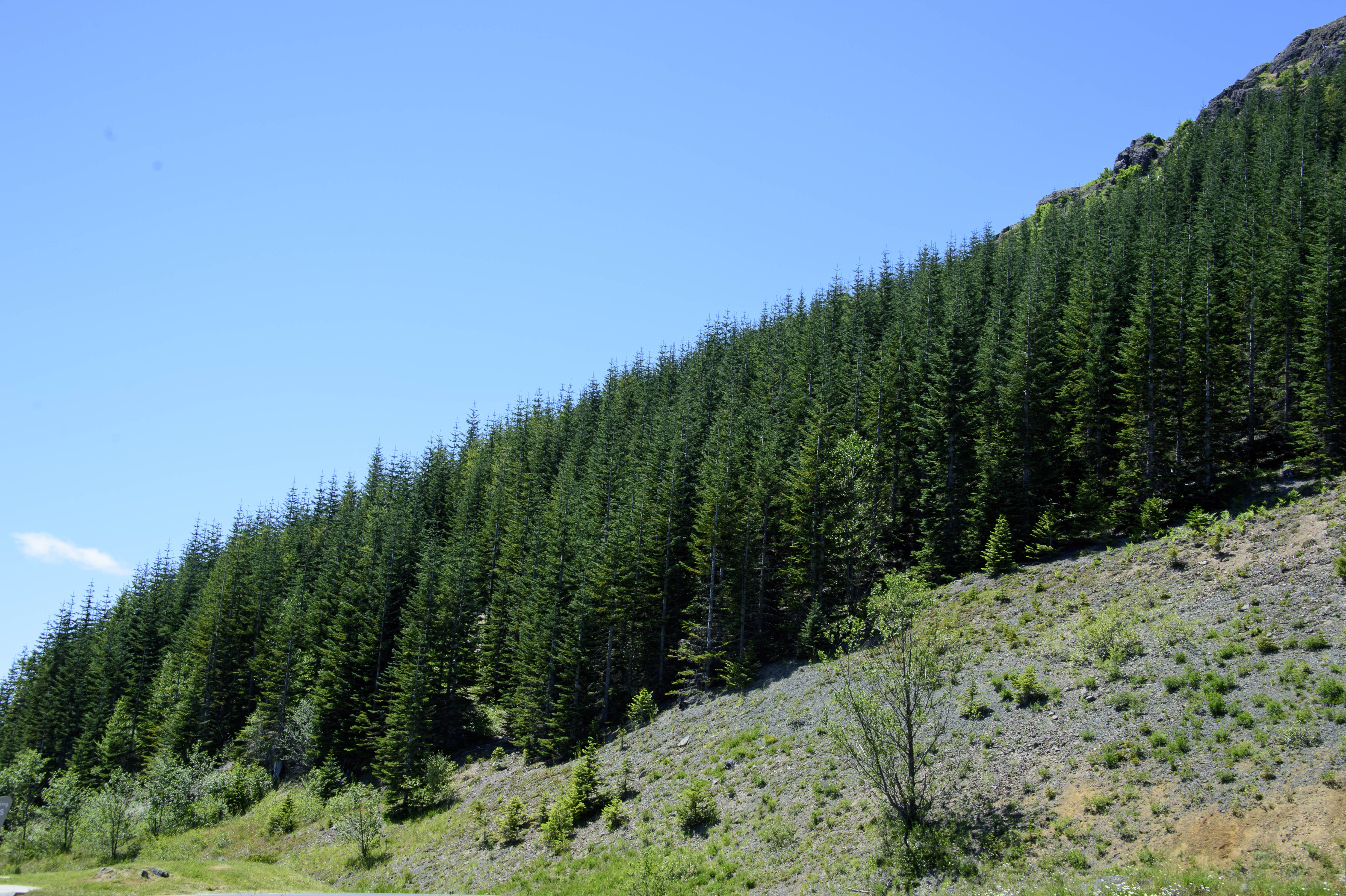
On the other hand – Weyerhaeuser, who was the largest private land owner within the blasted area, began replanting 18.4 million seedlings by hand in 1981 after scraping away the ash (this is on their land and NOT within the NM).  The species planted were those that had grown in the area before the eruption – Douglas-fir, noble fir, lodgepole pine and black cottonwood.  If you have ever wondered what a perfectly manicured forest would look like – here it is —


16 2015 06 12 Mt St Helens 003

Just outside the Park boundaries Weyerhaeuser reseeded thousands of acres.


The picture is NOT out of focus – it looked this way in person!!  All we could figure, is that because all the trees are the same size and ‘perfect’ the branches line up in such a way that it makes the entire ‘forest’ look out of focus.  Very strange effect.


Needless to say, our adventure to Mount St. Helens was a very educational one;-)


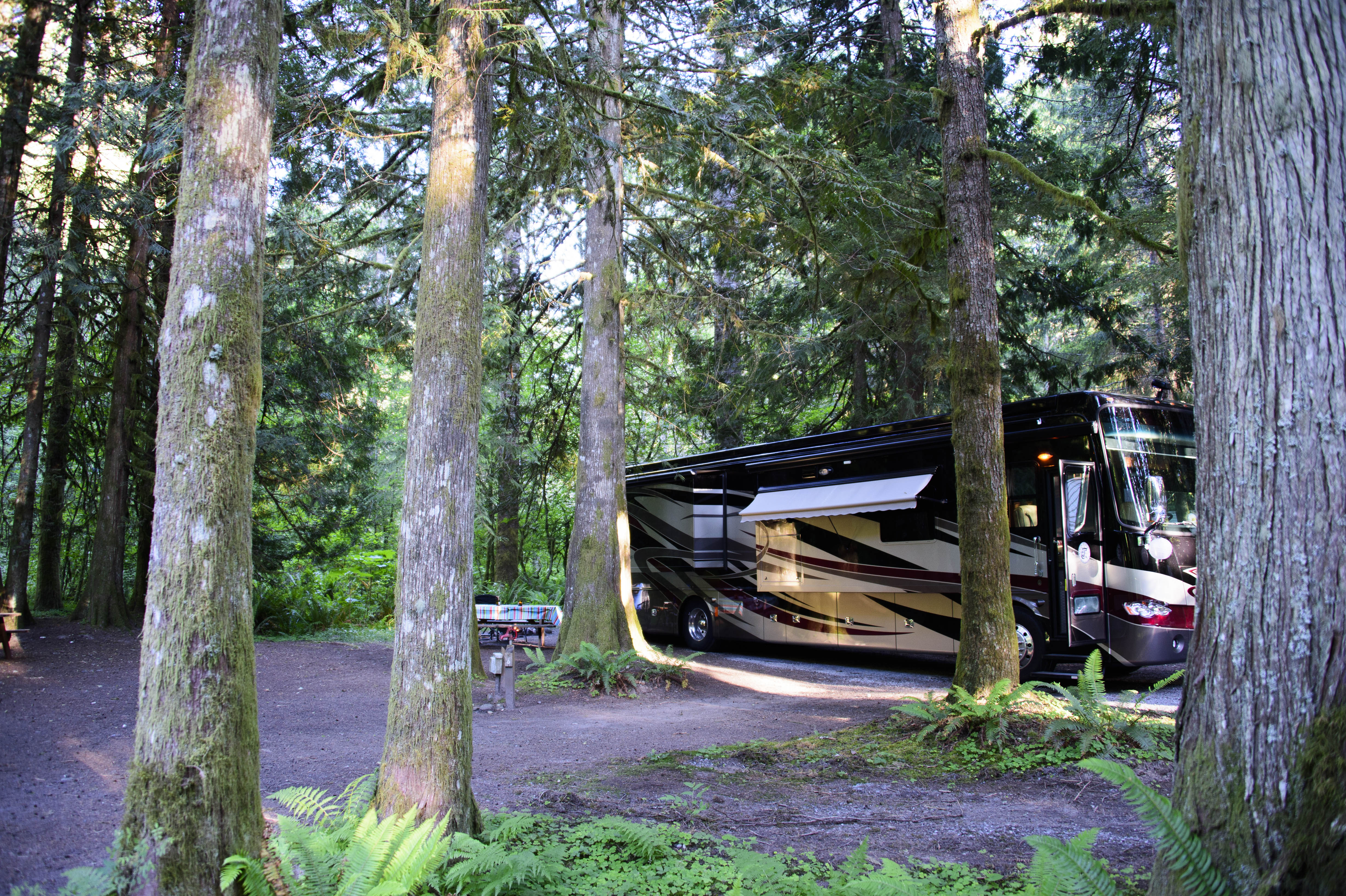
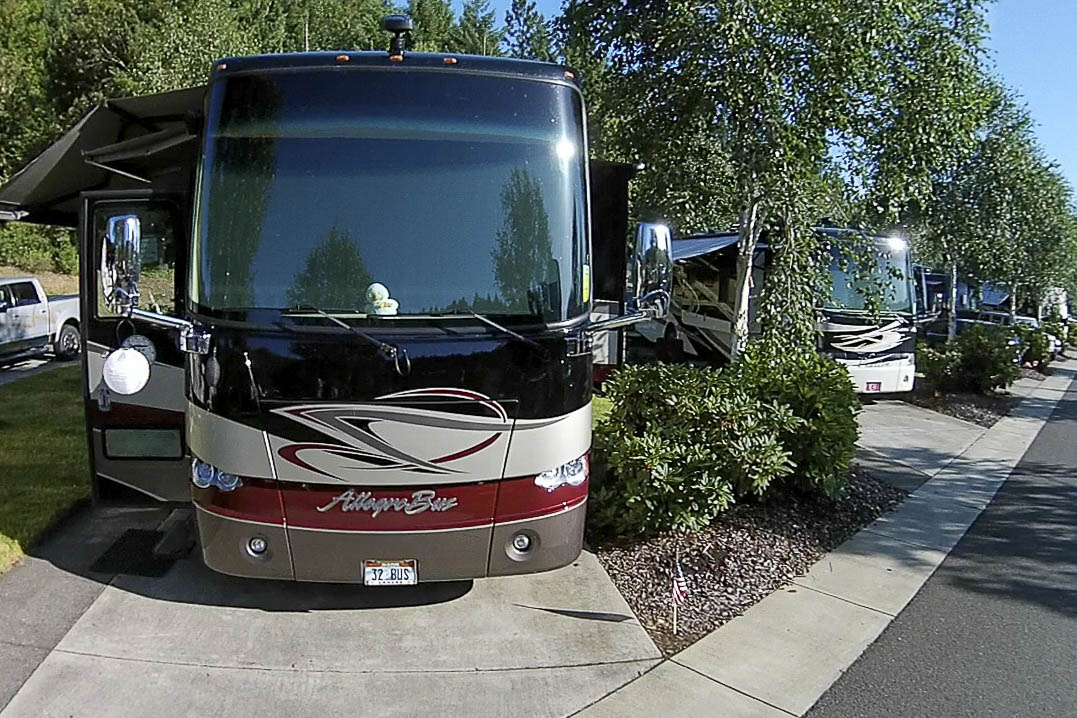
The day was speeding by, and we needed to get Magic to a new spot for the next few days – so on to Mount Rainier.  Sometimes things can change 180 degrees and still be exactly the same.  How can that be?  Stay with me.  If you read the prior posting about our beautiful campground in Canyonville for the Tiffin rally and checked out the pictures – you saw the amply spaced spots with trees and shrubs between every spot, cement pads and nice picnic tables.  In short – very nicely appointed and manicured.  Well – here just outside Mount Rainier NP our spot could not be more different – BUT, it too is a large space with trees between every spot and Mother Nature all around.  Another A1 locale that we LOVE;-)


17 2015 06 12 Mounthaven 002

Magic in the pines at our spot just outside Mt. Rainier NP.


Really happy to be enjoying our new adventures and learning all our NP’s have to offer.  Check back in a couple of days to hear all about Mount Rainier;-)


Having fun – Elizabeth & Gary

Magic’s Family Reunion;-)

So – we have spent the last four days meeting 400 wonderful people just like us!!  They all have to be great as they travel just like us – in a Tiffin Motor Coach just like us – to fantastic places just like us.  What could such people do for four whole days you ask??  Exchange ‘coach stories’ (sorta like fish stories); provide tips, hints and ideas about storage, maintenance, care, cleaning, etc, etc, etc of our coaches; give ideas and tips on places to stay, things to see, places to eat, etc, etc, etc at all the places we are going – or places we have been; attend seminars on anything and everything related to our coaches; AND BEST OF ALL – eat, drink and be merry with all our new friends;-)!!  And – Magic LOVED being in a place with all her sisters, brothers and cousins – 200 of them.


09 2015 06 11 Tiffin Rally 1 01

Magic is sooo happy at the Tiffin Motorcoach Rally at Seven Feathers RV Resort  in Canyonville, Oregon

10 2015 06 11 Tiffin Rally 1 02

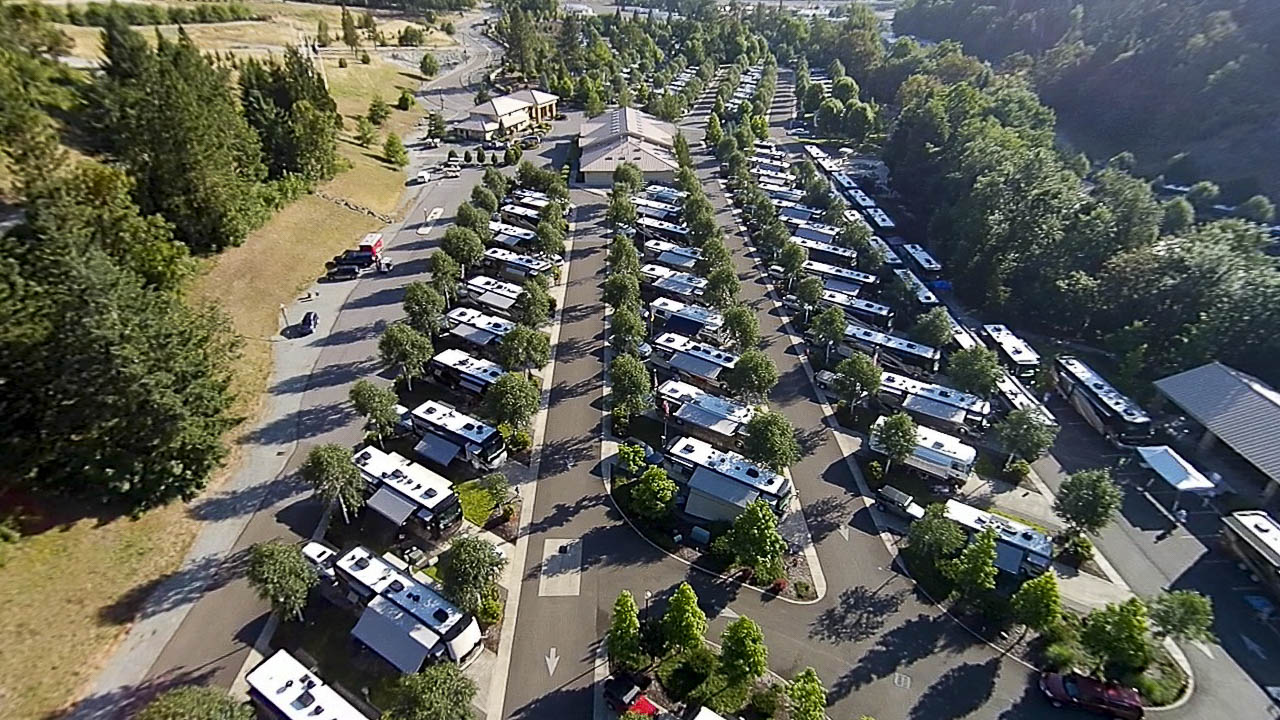
Birds Eye View of the Campground and all 200 coaches.

11 2015 06 09 Tif Parade  001

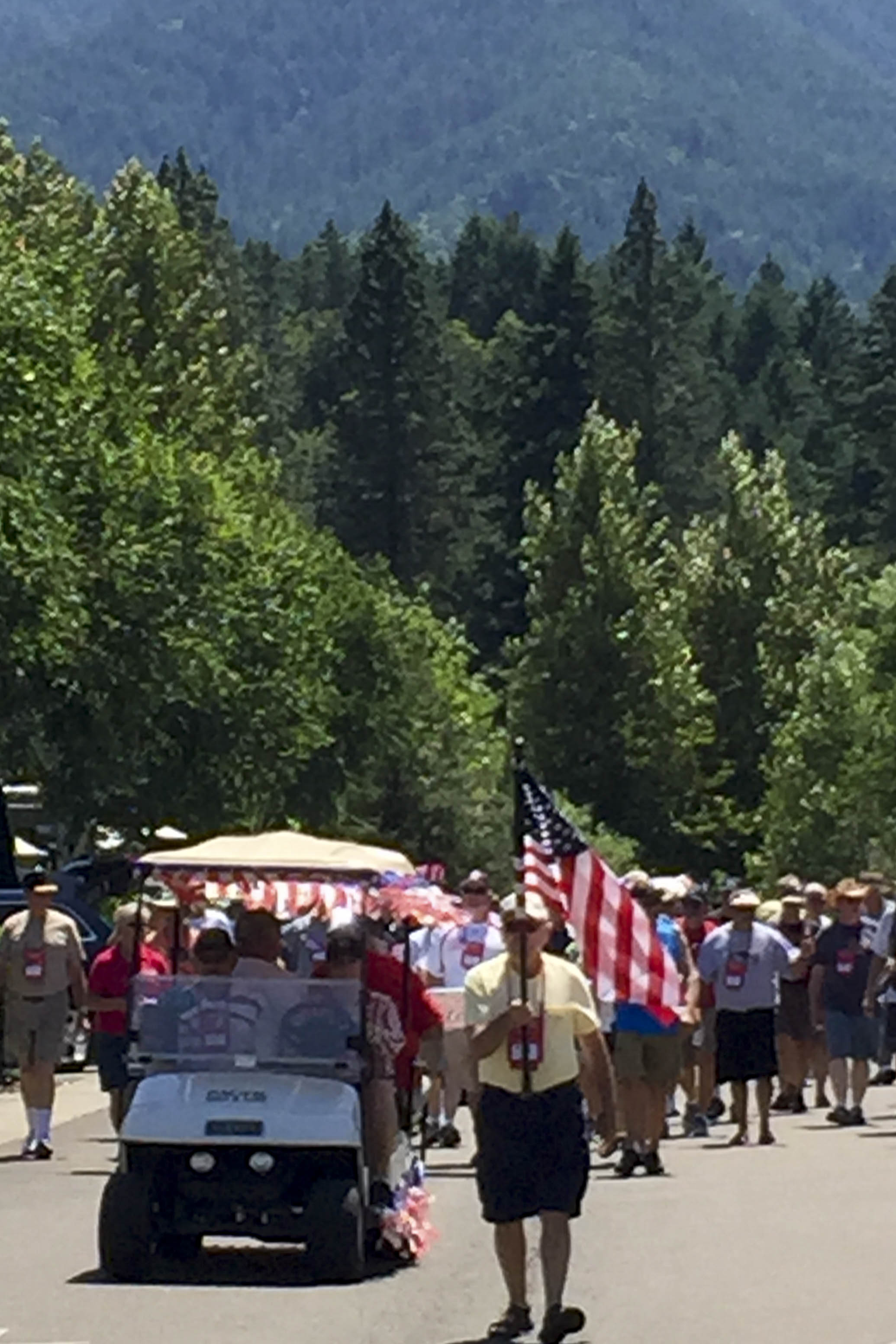
Veteran’s Parade

12 2015 06 09 Tif Parade  002

Wheeerree’s Gary??


It has been a wonderful four days at a beautiful campground in a wonderful Oregon canyon (as you can see from the pictures above).  But, as always, the time to move on comes all too soon.  So, we are off to the National Parks in Washington for the next two weeks – and maybe a visit with cousin Marta and a day at the US Open in Chambers Bay;-)!!


Stay tuned – Elizabeth,  Gary and Magic saying ‘good-bye’ to all those Tiffins

It Hasta Be Shasta

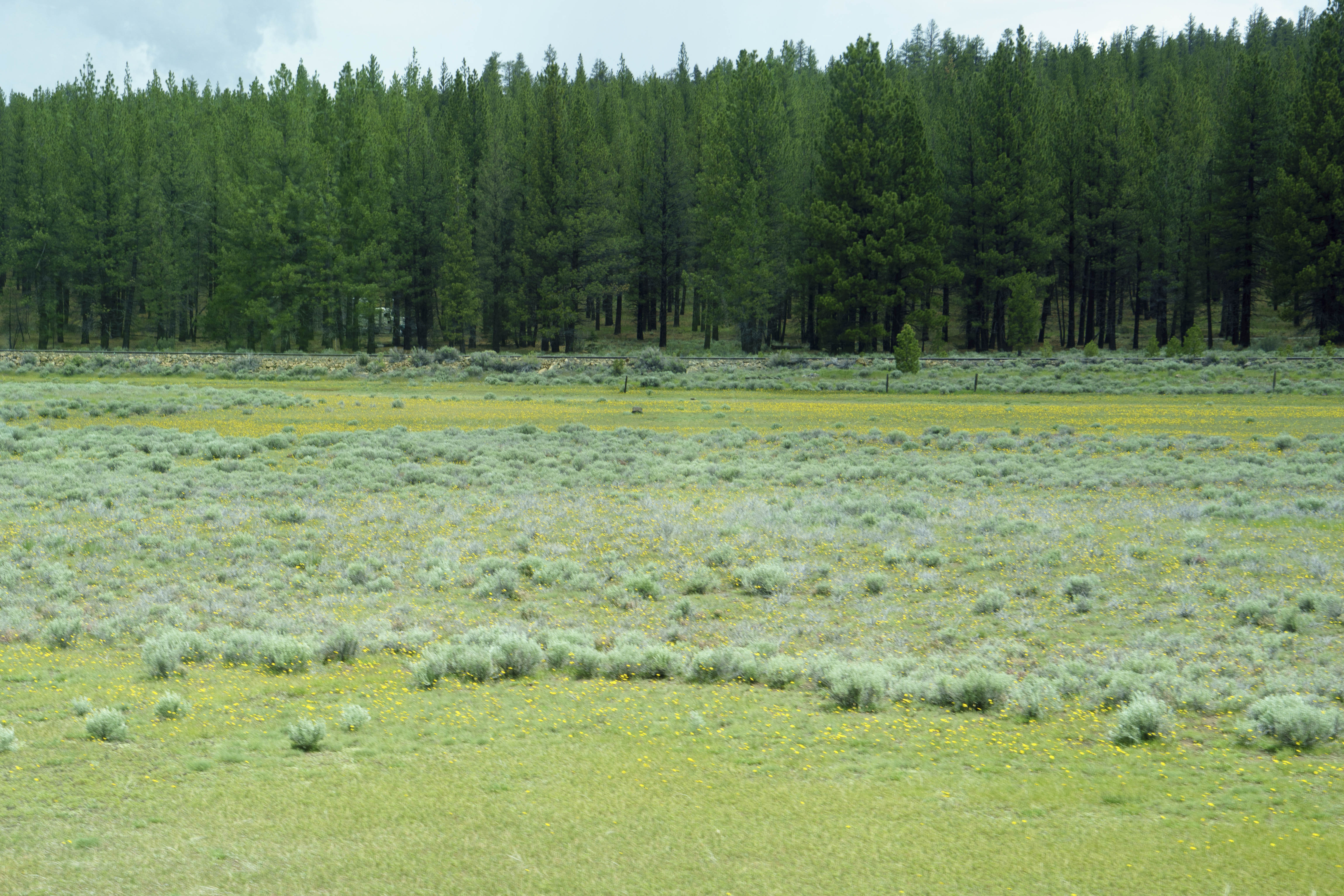
Our “one more day of travel” couldn’t have been any more beautiful;-)  The happiest days we have on the road is when we travel those ‘green dot roads’!  (Our atlas marks the scenic highways with green dots – thus a ‘green dot road’.)  And today was no exception.  Finding cooler weather as we journeyed along the base of the Sierra Nevada and Cascade Mountains, skirting the Lassen Volcanic NP between yellow flowered meadows – –
 

02 2015 06 04 to Medfe 016

We found some cooler weather.


03 2015 06 04 to Medfd 005

Wildflowers are already starting to bloom at 6,000 feet.


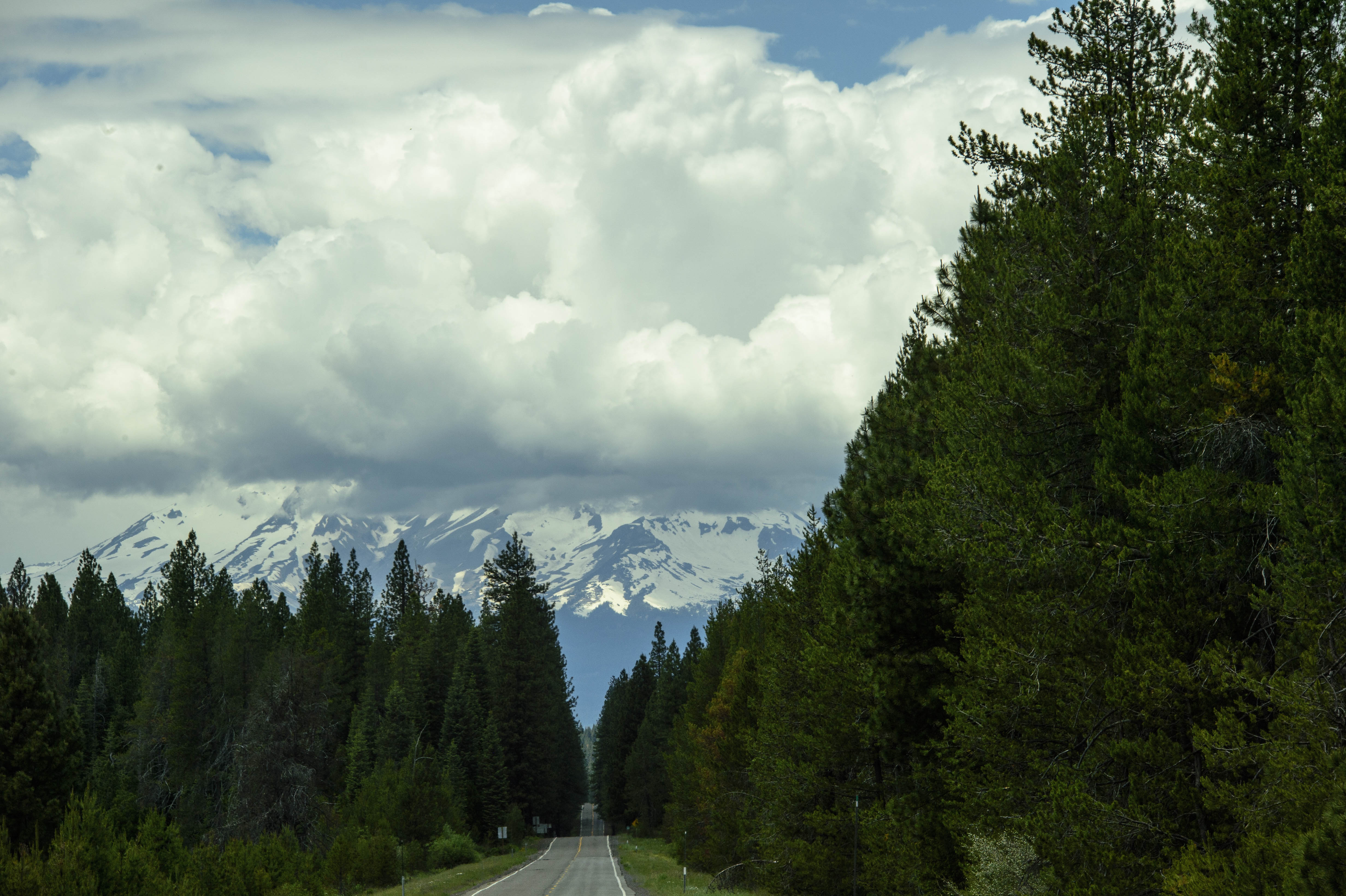
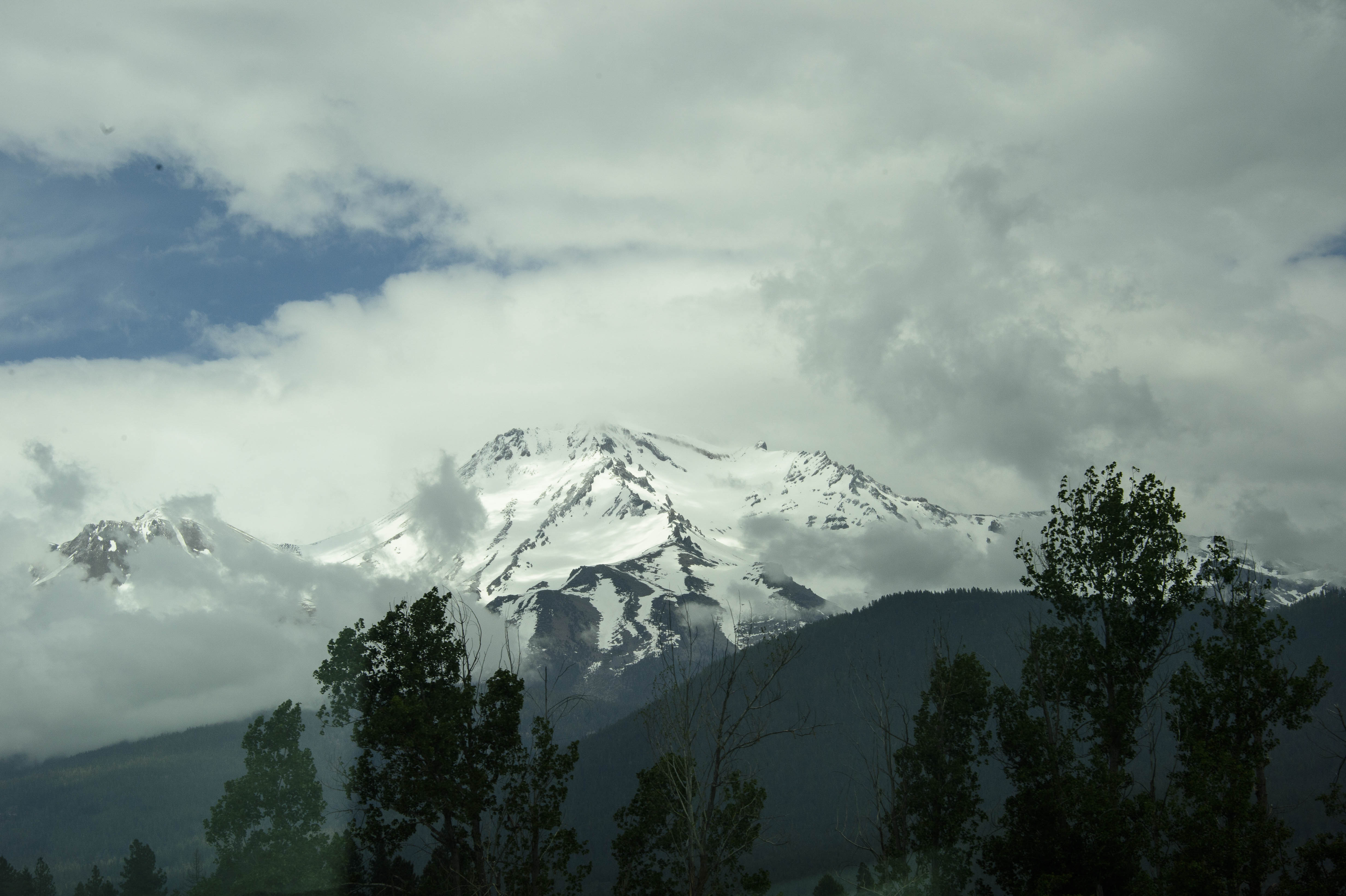
– – Up popped Mt. Shasta at 14,000 feet and snow capped right in front of us – –
 

04 2015 06 04 to Medfd 011

Just follow the ‘green dot road’ to Mt. Shasta.


05 2015 06 04 to Medfd 015

It hasta be …well, you know.


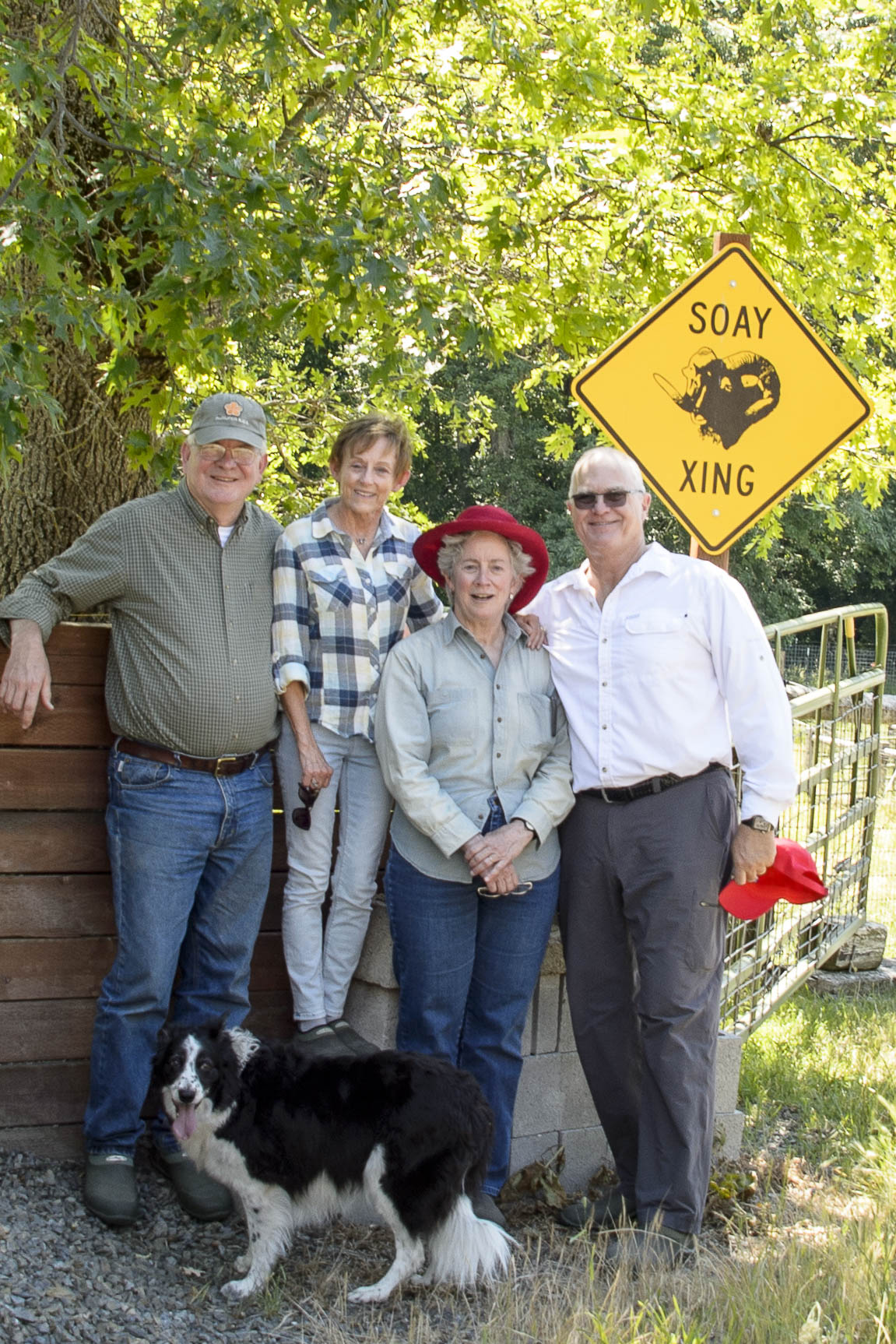
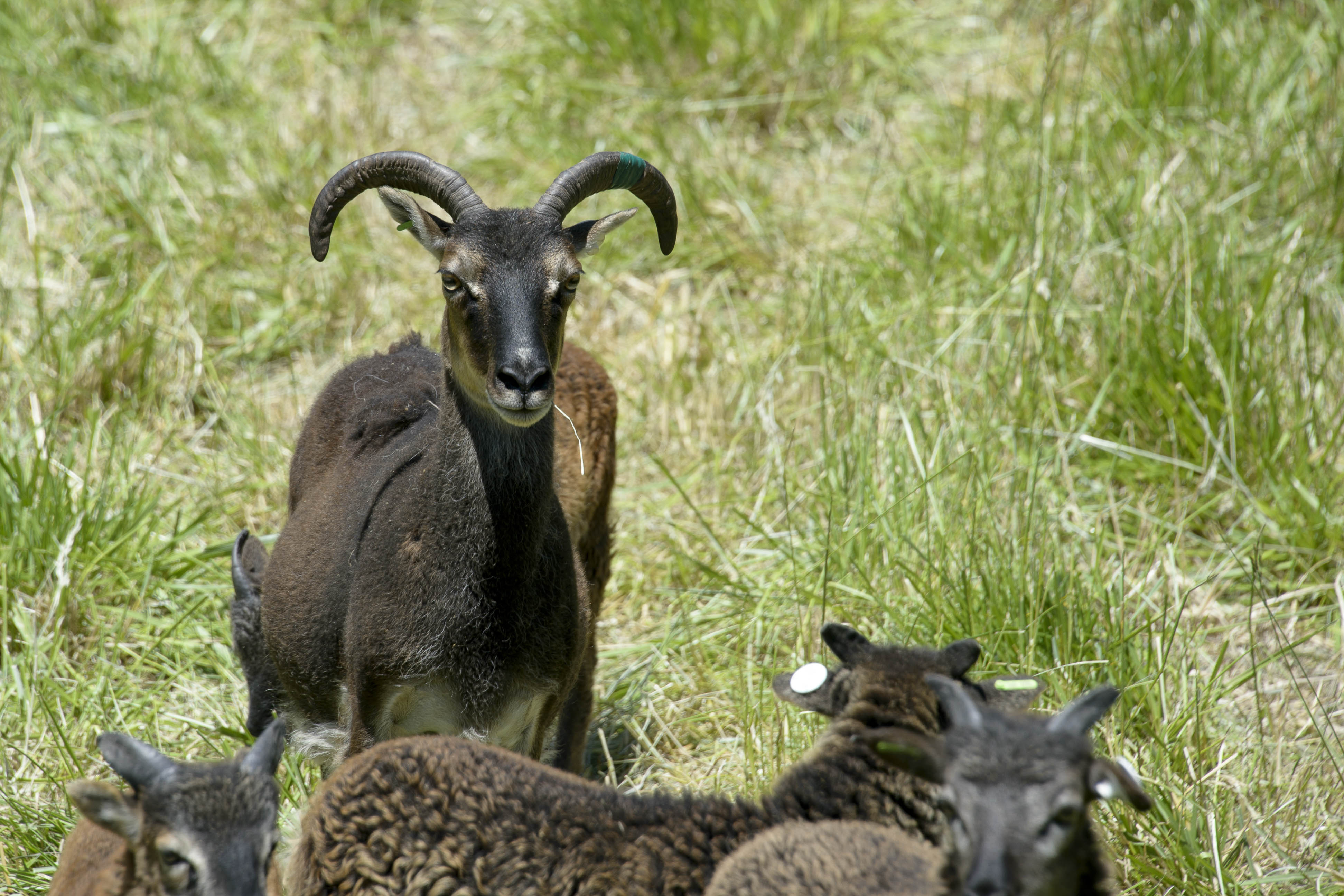
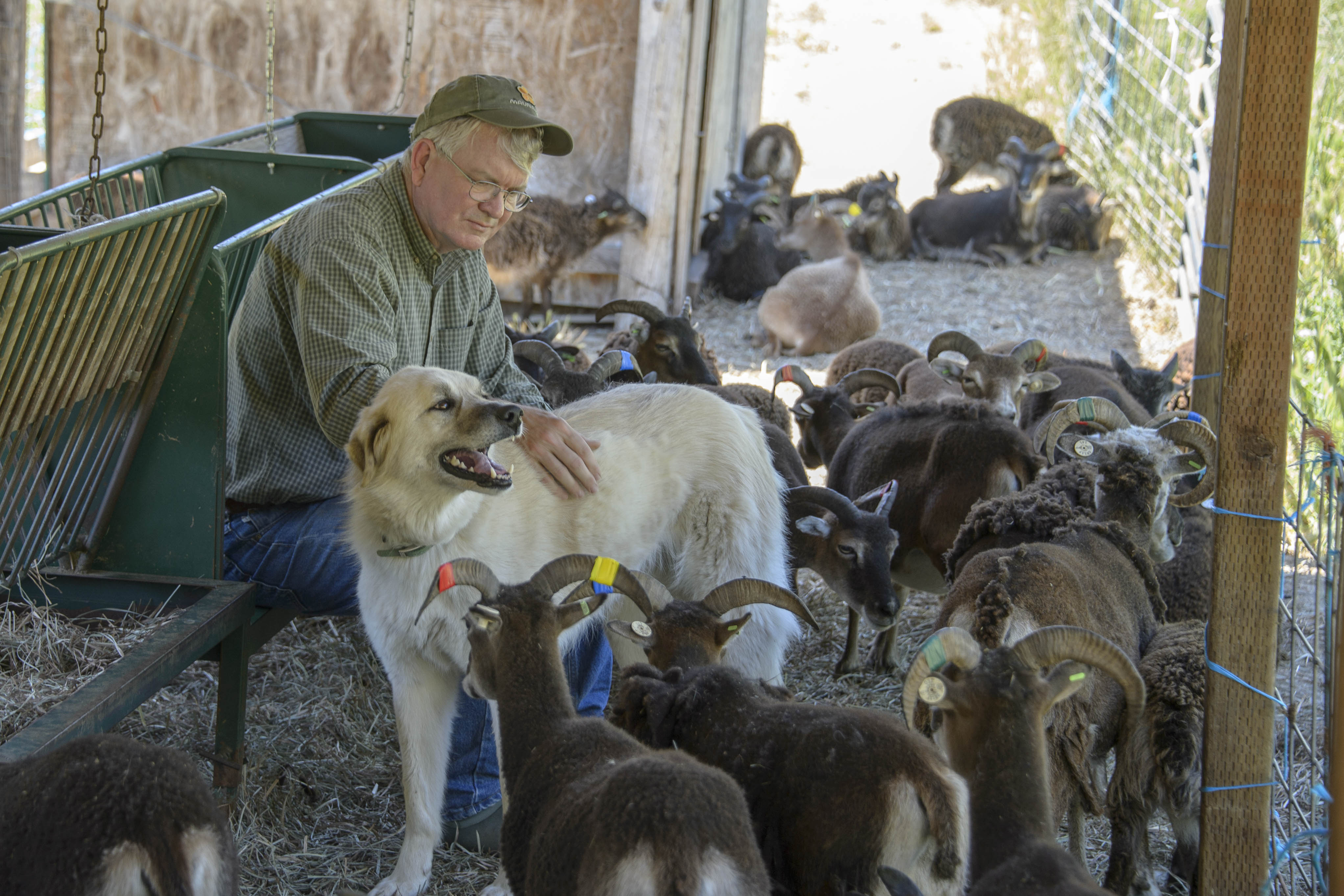
After such a beautiful travel day, we set up ‘camp’ – in Phoenix (OR) – of all places!  The itinerary here  included a round of golf, exploring/enjoying Ashland – and best of all – visiting with our friends Priscilla and Steve at their Salt Marsh Ranch sheep farm.  It was a fabulous day of lunching, visiting, catching up and checking out the new ‘guard dogs’ and lambs – –


06 2015 06 06 Saltmarsh 008

Our Hosts on the Soay Sheep Ranch – Steve, Priscilla and Molly

07 2015 06 06 Saltmarsh 001

08 2015 06 06 Saltmarsh 005

Steve and Chloe minding the Soay sheep


It is always lots of fun for us to visit Priscilla and Steve from year to year, as we visited the first full year of their residence here and met Molly when she was just about 6 months old (she is now 11).  We have been able to watch the Ranch grow – in terms of acreage, number of houses, number of sheep, dogs and llamas, number of buildings to care for the sheep and house the farm implements and general ‘grooming’ and maintenance of the property.  What changes over the years and how much we enjoy seeing it all!!  Thanks to Priscilla and Steve for always opening your doors to us and sharing your ‘interesting retirement’ with us;-)


Next stop – Canyonville, OR for a Tiffin Rally and seeing LOTS of Magic relatives!!


Having fun already – E & G

We’re On Our Way😊

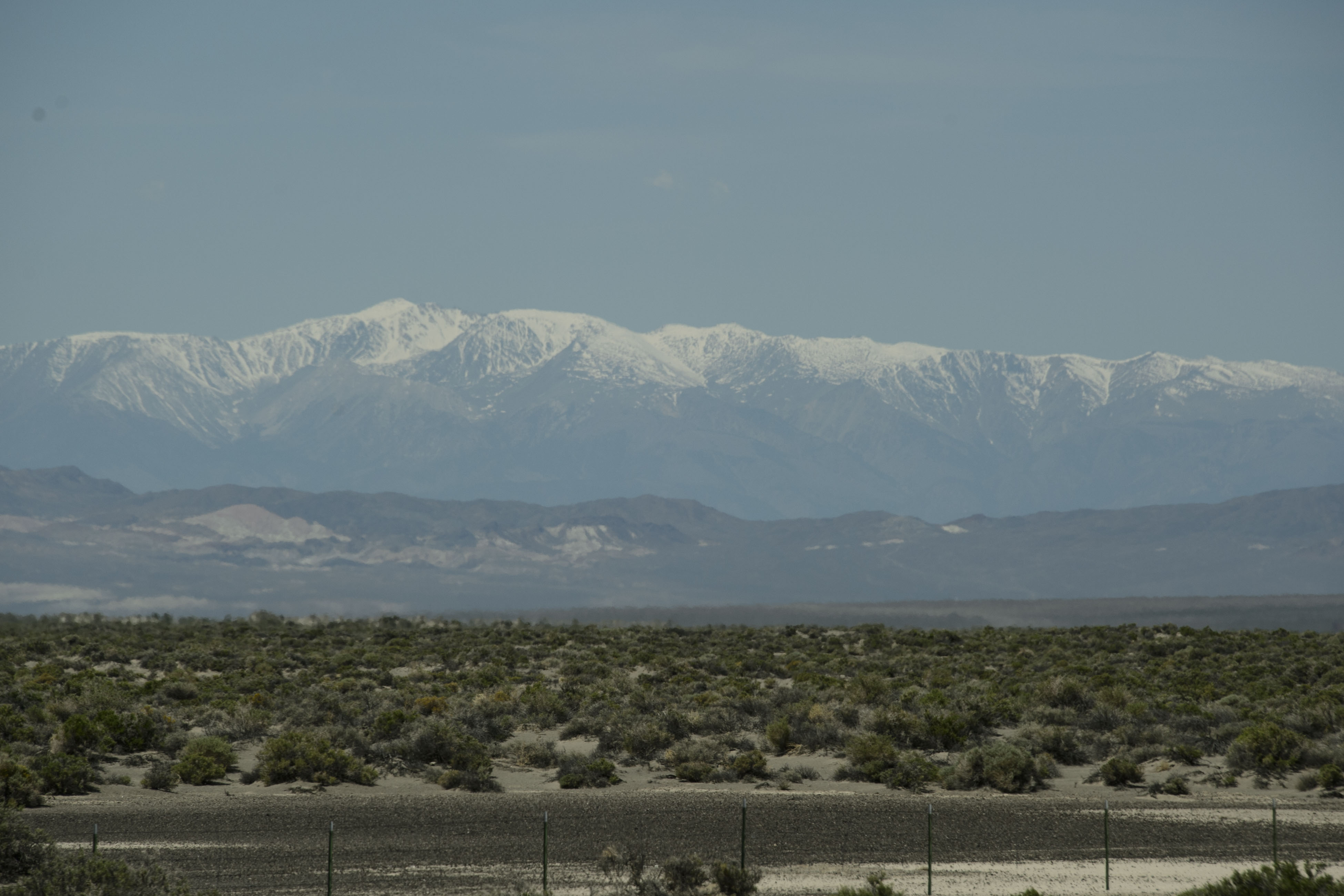
Just as the thermometer hit 104, we loaded up Magic and hit the road. IMG_1089 It wasn’t long before we saw this happy sight –

2015 06 Hwy 95 001

Snow Capped Sierras

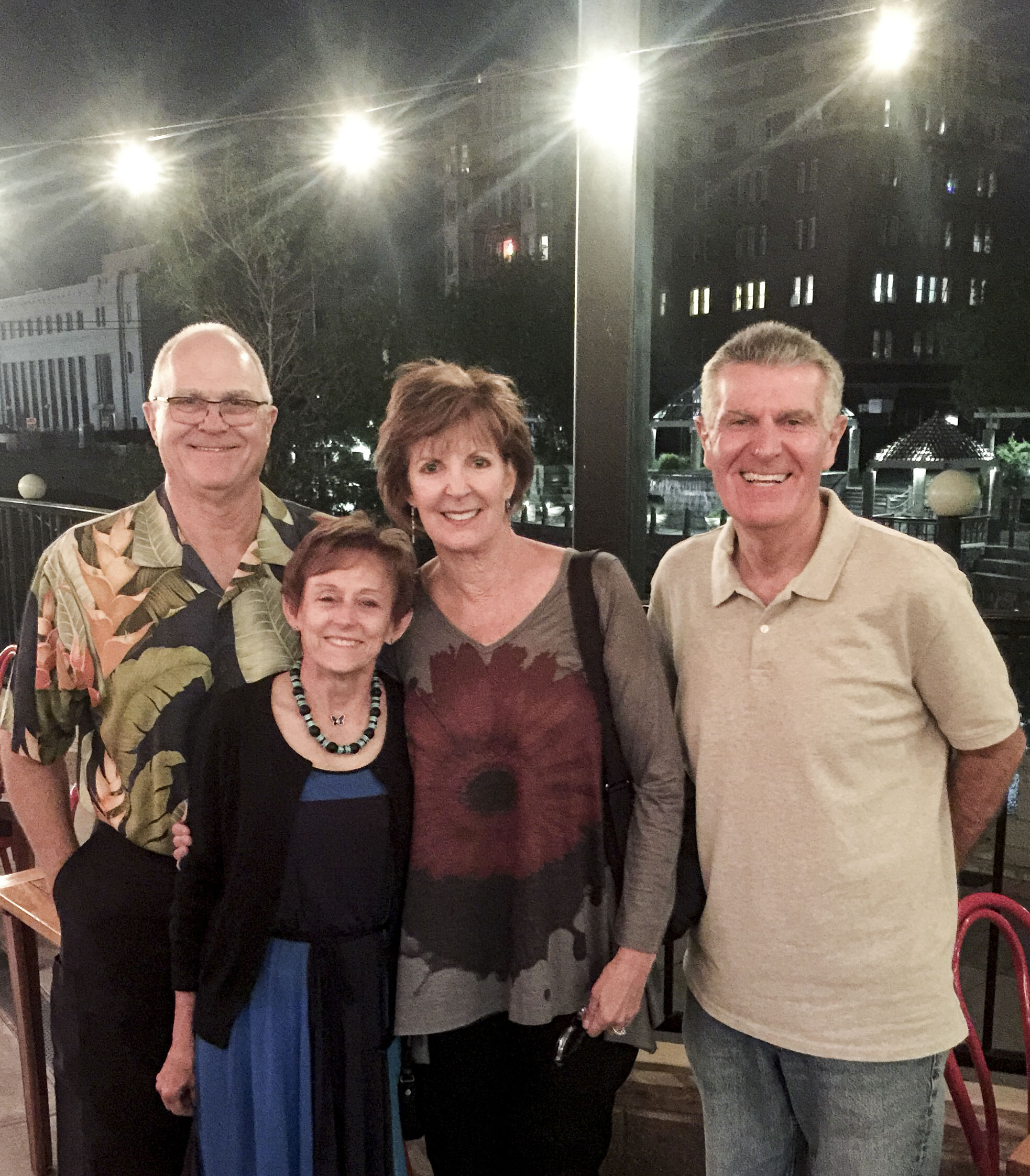
And had a couple of dinners with friends along the way😉

Dinner with Deb & Steve

Dinner with Deb & Steve

Just one more travel day and we will be in So. Oregon and back on schedule. Let the fun begin – love to all – E & G

Here Comes 2015

No grass has grown under our feet since last we came your way.  The holidays were wonderful – with lots of family and friends.

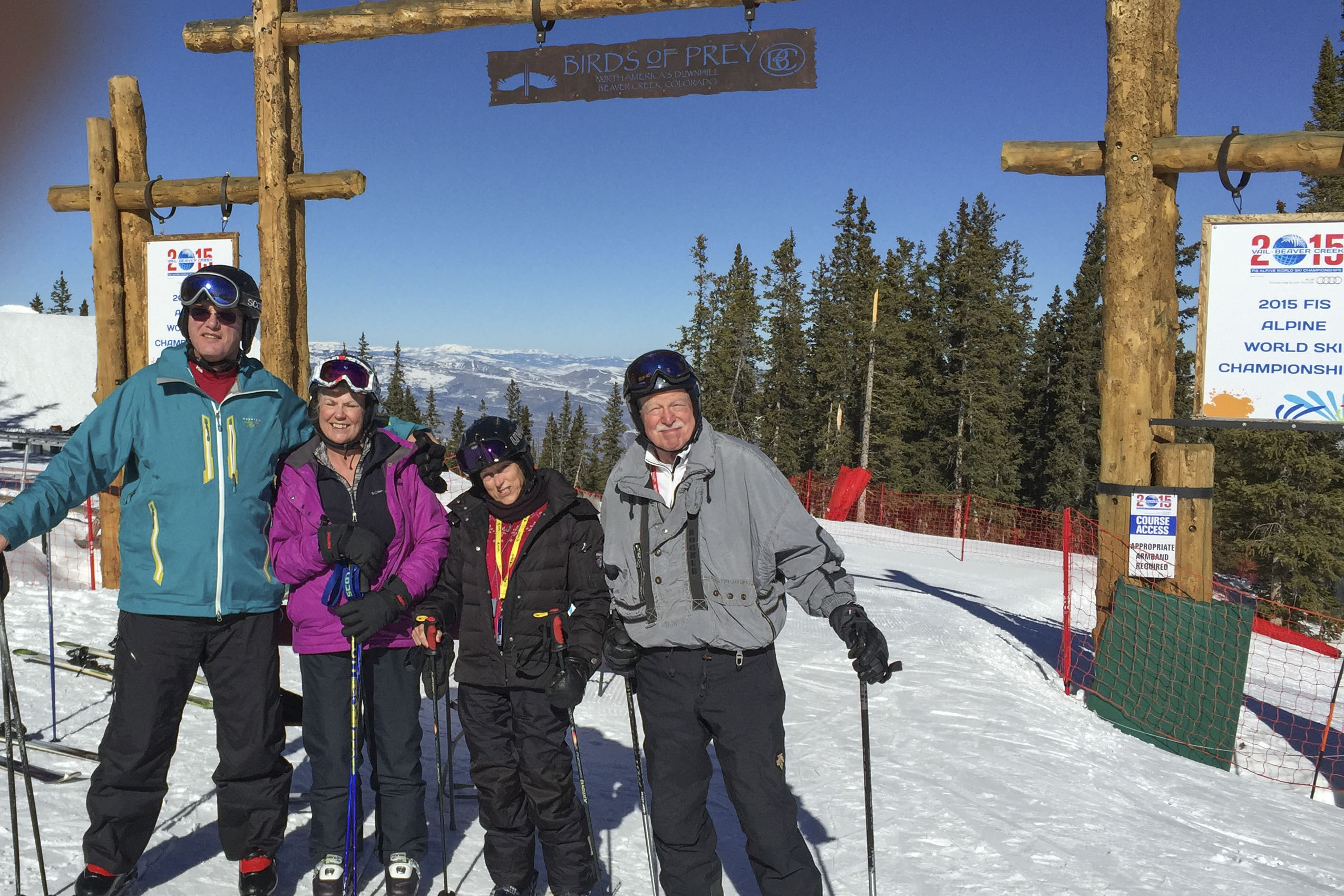
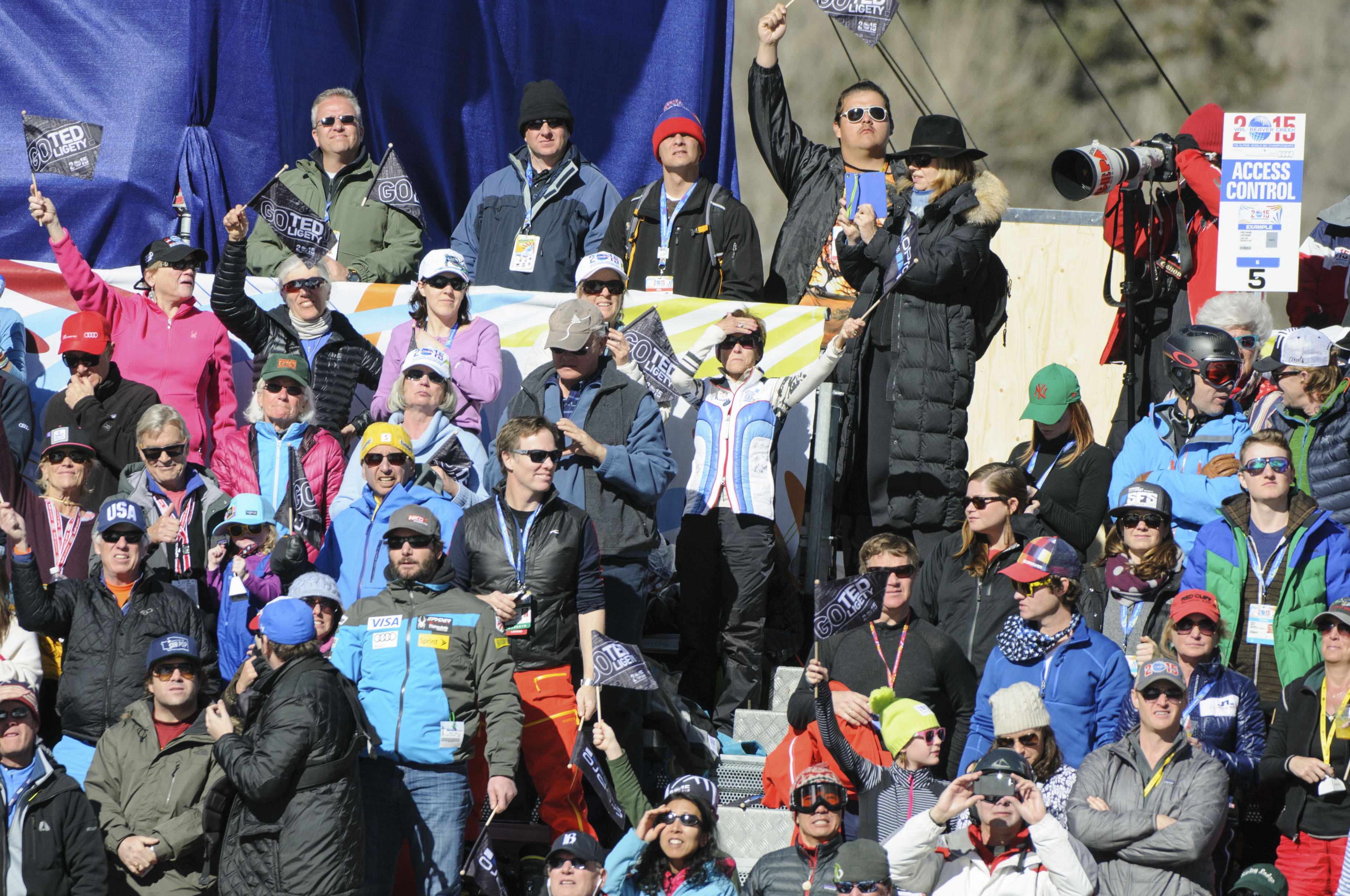
As the new year came upon us – we spent lots of time on the golf course once Gary’s new and improved knee was ready to go.  The 2015 World Championship Ski Races were in the US this year – Beaver Creek & Vail – so we were off to the races for 10 days in February to watch Ted Ligety storm down the mountain and bring home some  GOLD;-)

A day of skiing before the races begin.

A day of skiing before the races begin – We did NOT “do” The Birds of Prey run!

2015 02 13 BC M GS 013_1

The Ted Ligety Cheer Section (Senior Division)

2015 02 13 BC M GS 083_1

Congrats on another Giant Slalom victory

2015 02 13 BC M GS 124_1

The night time Gold Medal Presentation


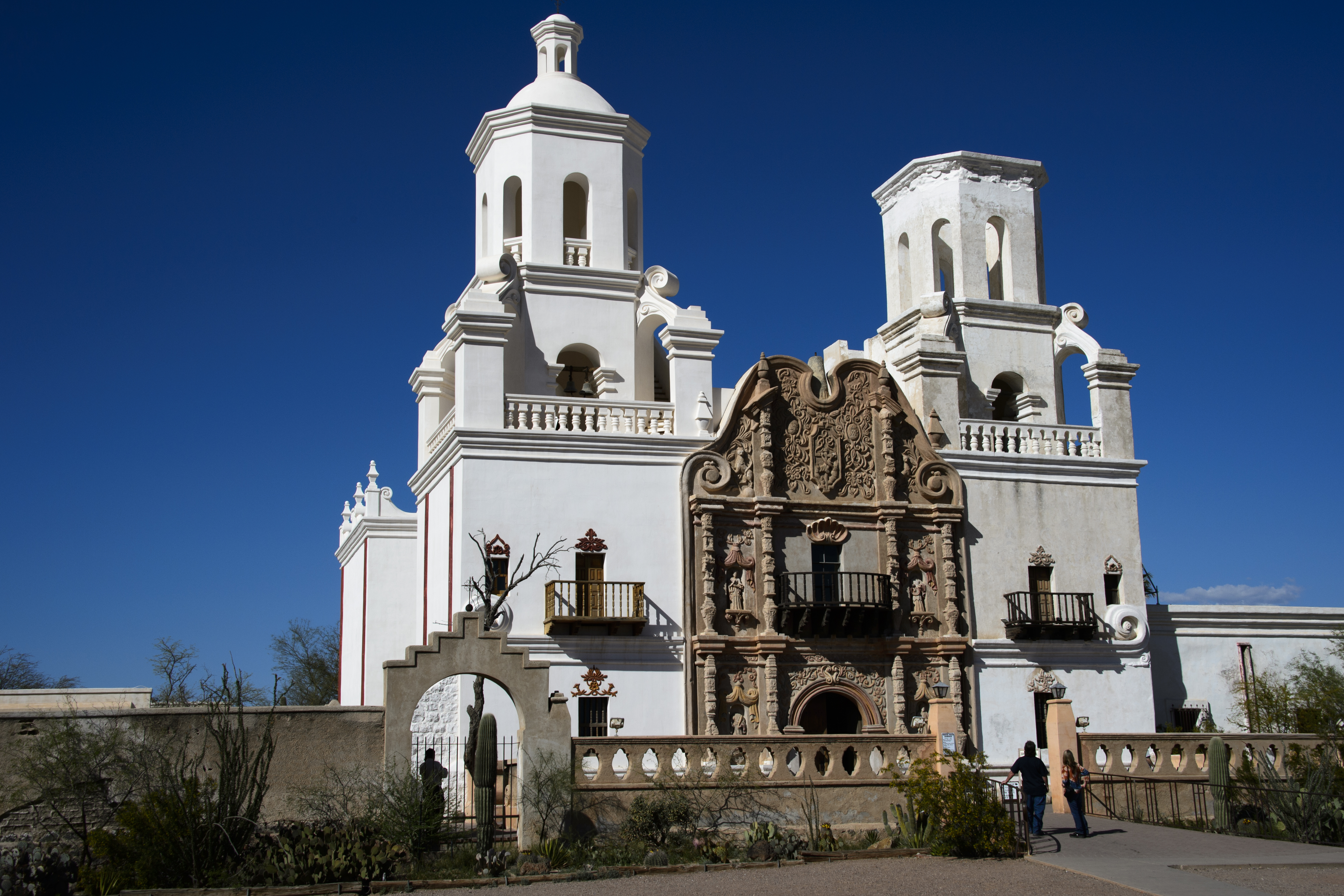
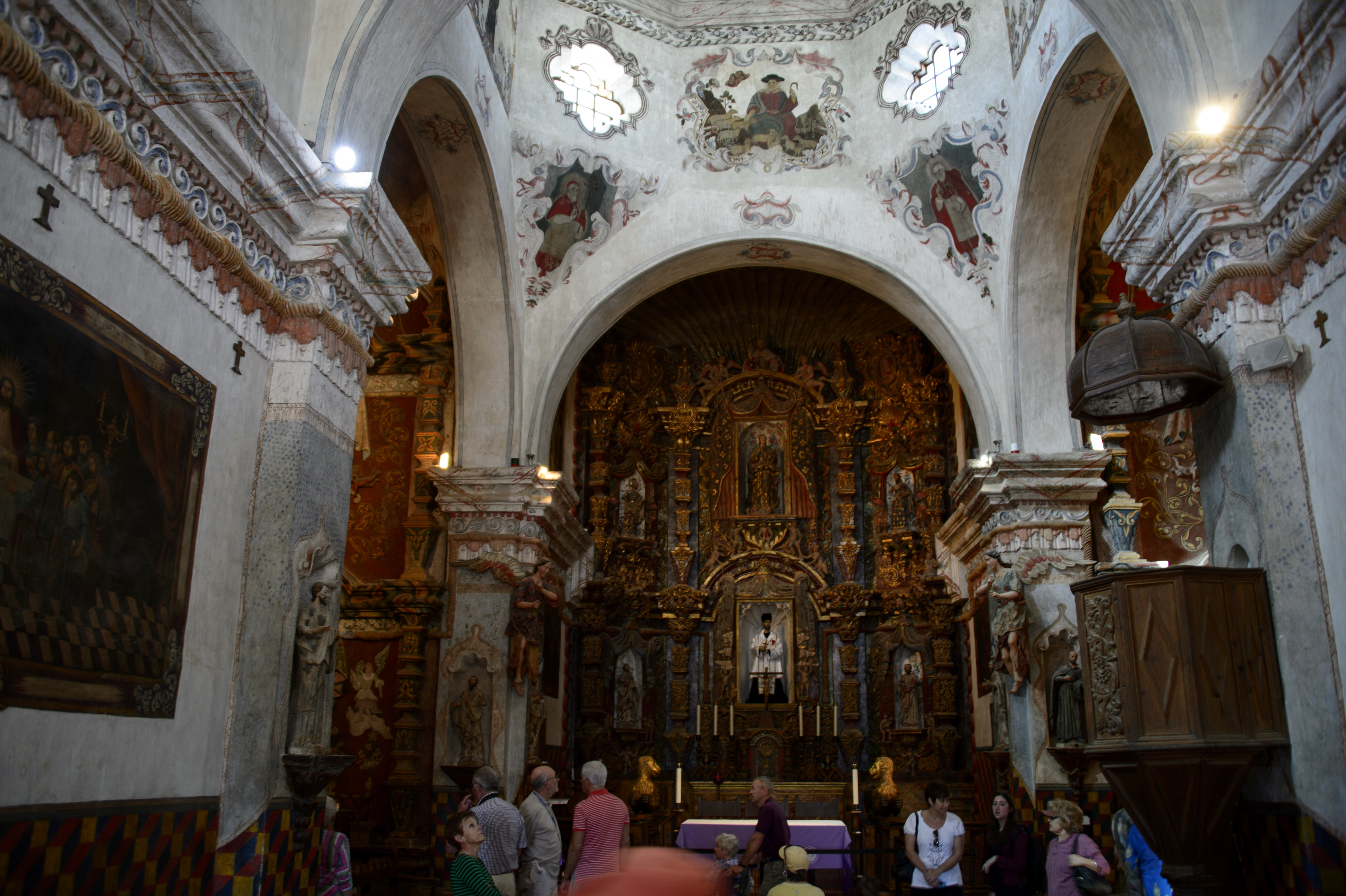
Shortly after our return from “the mountains” – we hit the desert of Tucson for more golf with friends.  But, while we were there some sight-seeing was also in order.  The San Xavier Mission (which E saw when she was a Girl Scout umpteen years ago) was on the list as was the Photography Museum at the UofA, where we had a fabulous time and got a lesson on the Hubble and its space exploration and pictures.

2015 03 10 Tucson009

The Mission

2015 03 10 Tucson010

Recently Restored and Beautiful

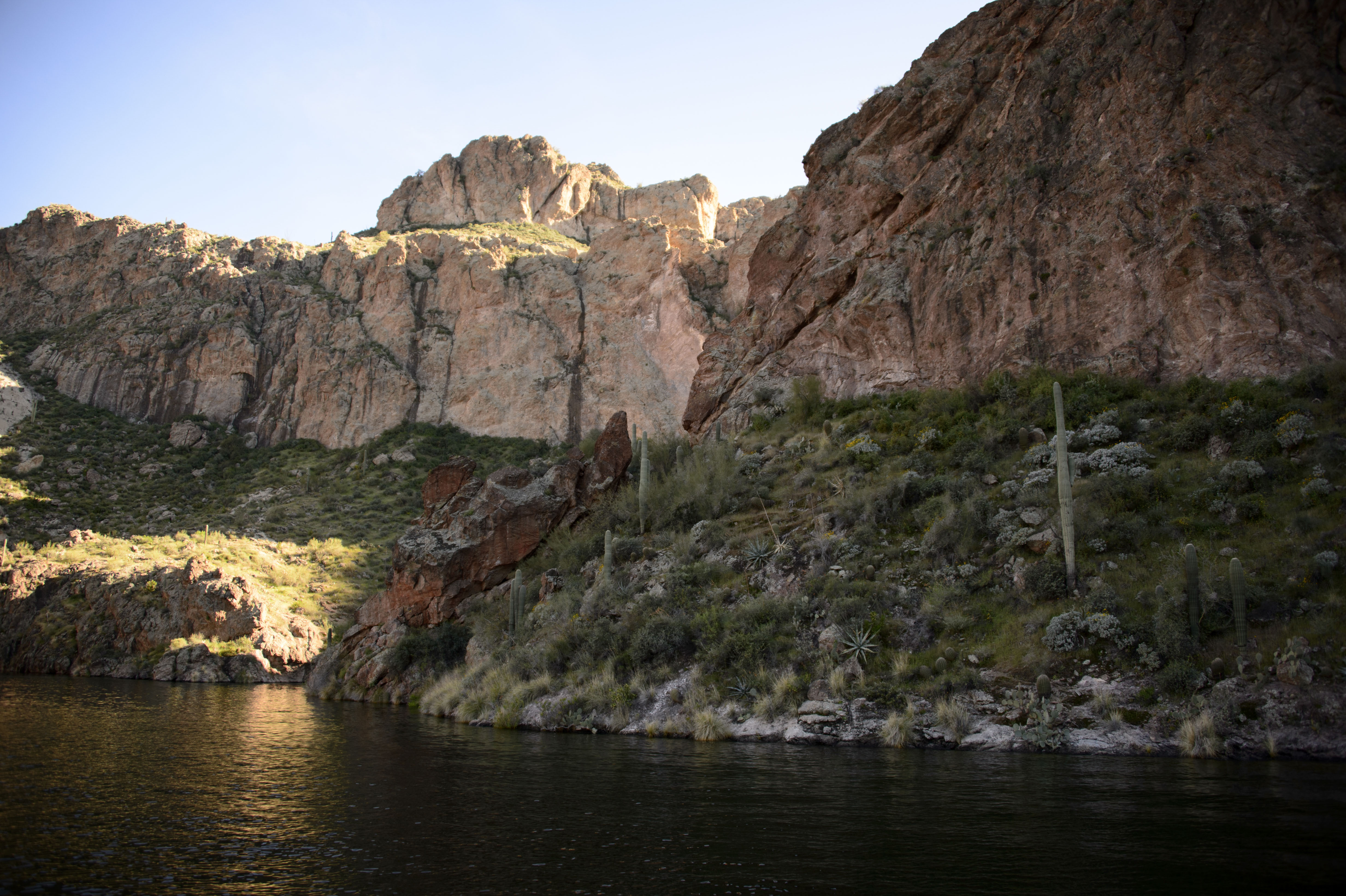
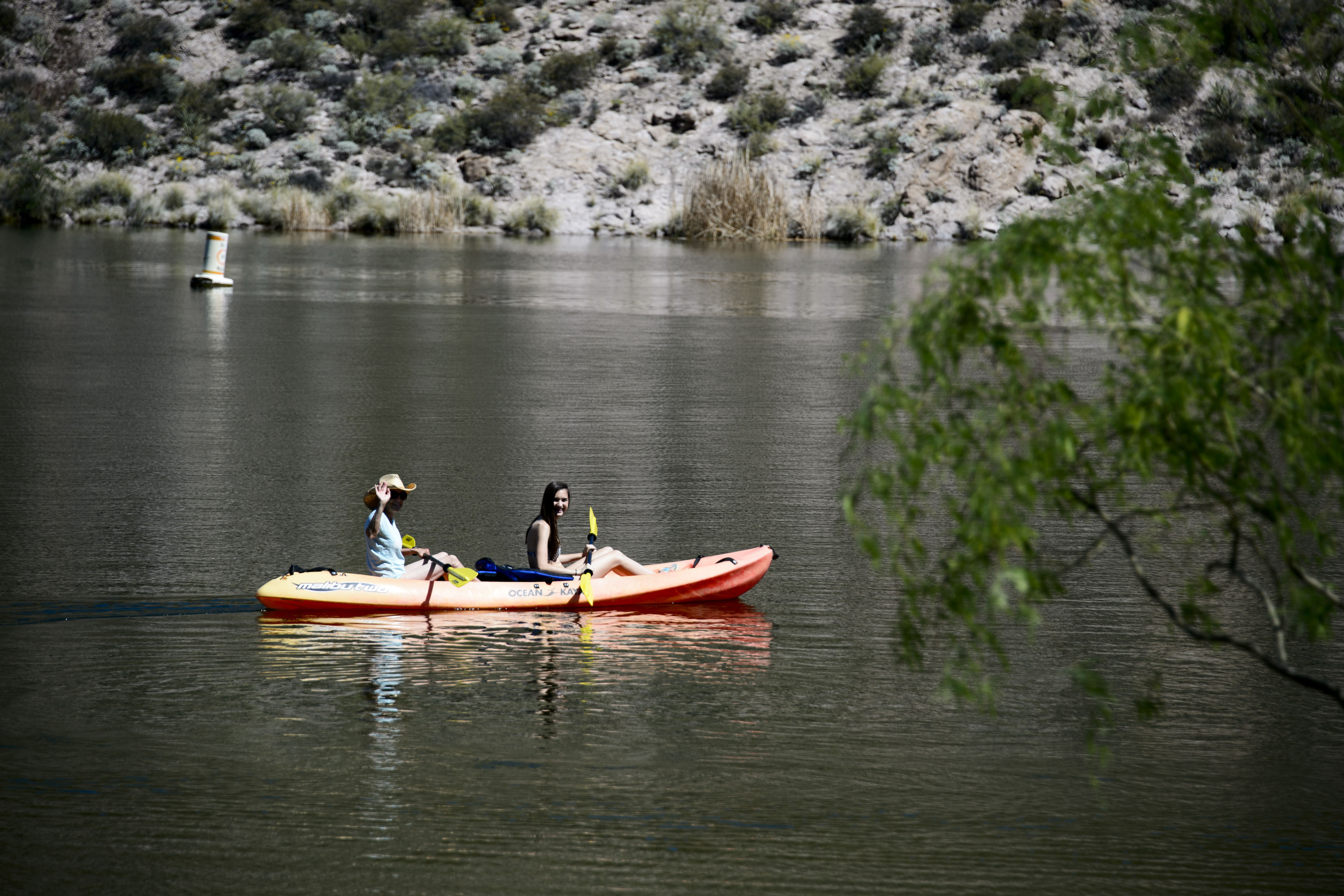
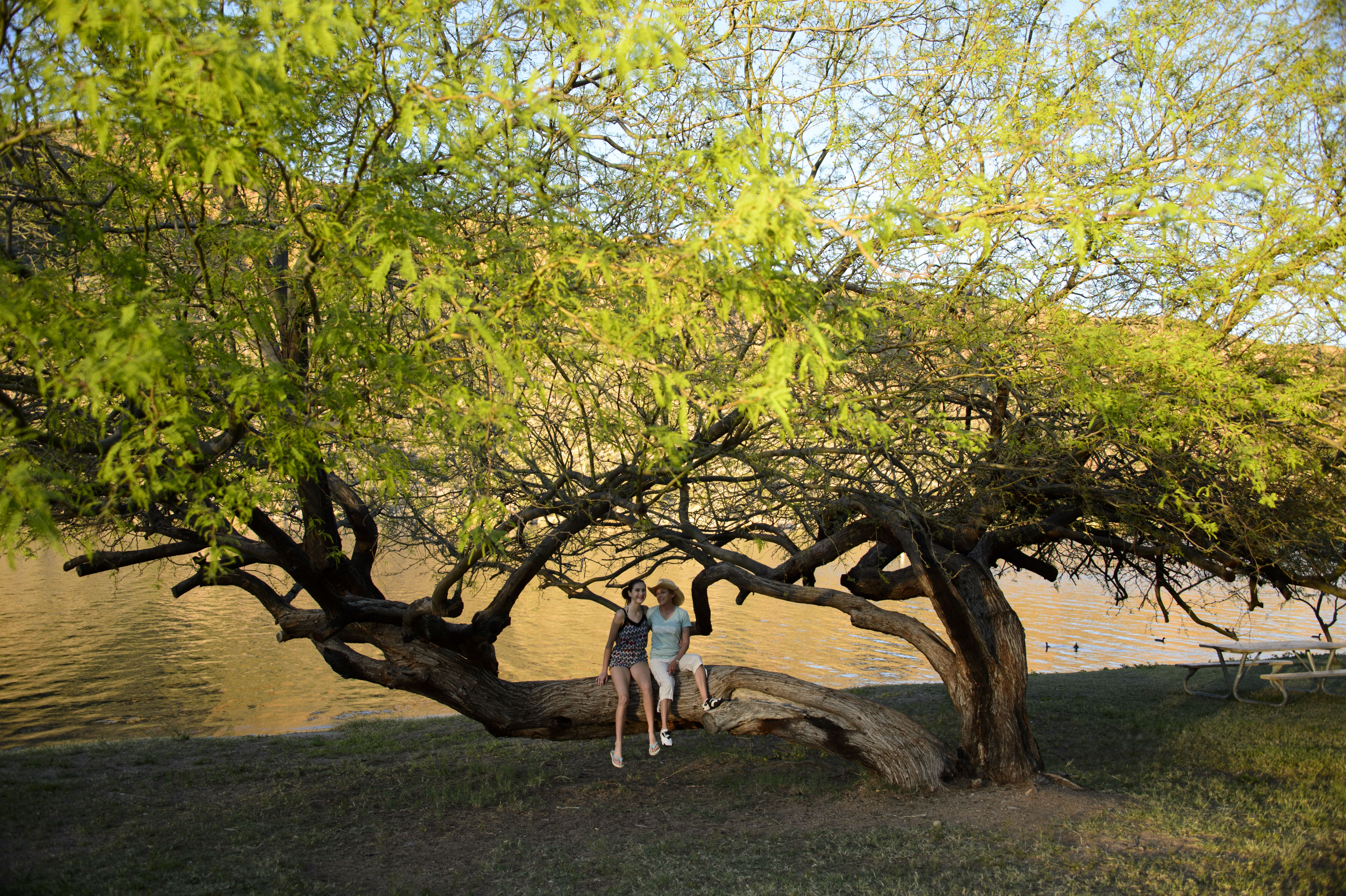
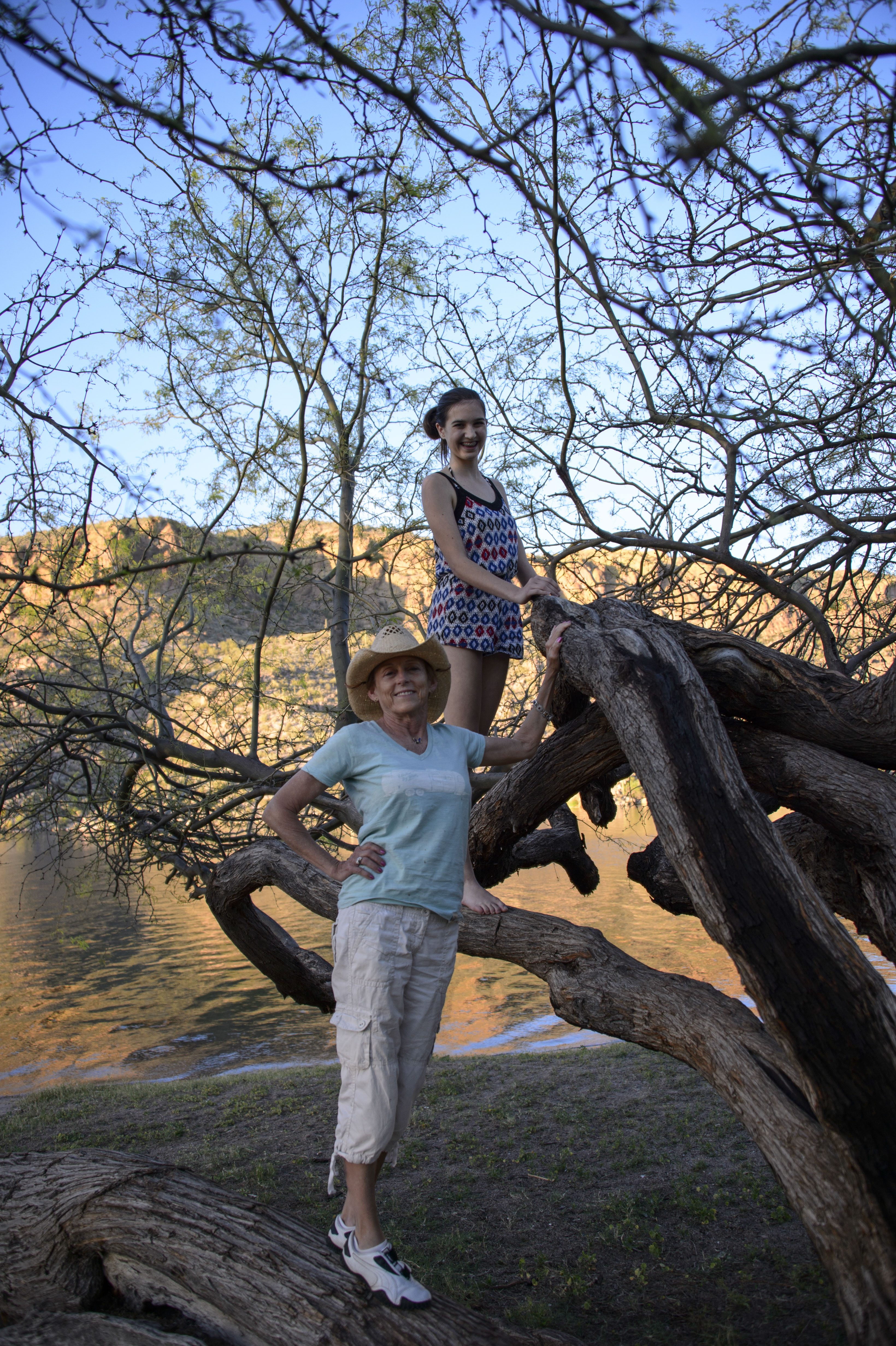
Next up was Spring Break with Deme at Canyon Lake in Magic.  We kayaked, explored and just plain played —

2015 03 24 Canyon Lk 036

Cruising Canyon Lake

Canoeing Canyon Lake

Kayaking the Canyon


2015 03 24 Canyon Lk 044

Tree People?


2015 03 24 Canyon Lk 048

2015 03 24 Canyon Lk 056

Ahoy Cap’n, let’s go find some wildlife.


2015 03 24 Canyon Lk 064

2015 03 24 Canyon Lk 066

That itches!


2015 03 24 Canyon Lk 080

Lunch Break.


When we weren’t on the road or on the golf course, The Musical Instrument Museum took up a lot of E’s time as a volunteer and G kept the computer busy.

As the weather heats up here, it is about time for us to hit the road and even Magic is eager to get going.  So – we are off for our new adventures this summer in the West – Washington, Oregon and Utah.

See you soon from the road – E & G – ready for what comes our way;-)

Ahhhh – Home!

What a fabulous trip!  Couldn’t have asked for more with all our wonderful visits with family and friends, many rounds of golf and beautiful sights and experiences along the way.  Our last two days were a bit “hairy” – to say the least – as we dodged high winds, tornado and flood warnings!!  The high winds caused us to cut one day short to only 4 hours driving – which made the next day a 13 hour day.  Not our usual – but, we avoided all the bad stuff and got home right on our schedule;-)

A quick unload and back to storage.

The last two weeks have been spent getting reconnected with family and a few friends as well as getting back into some of our usual routines.  That means a couple of dinners, a few rounds of golf, a few volunteer days at the Musical Instrument Museum, a few concerts, etc. etc. etc.

NOW – it is time for Gary’s new knee.  Tomorrow at high noon!!  We are both anxious to get this behind us and to REALLY be back into our routine.

Glad to be home – thankful for all our good times on our trip – looking forward to the holiday season —-

With Lots of Love to All – Elizabeth & Gary back in Scottsdale;-)

Frank Lloyd Wright Designed Homes

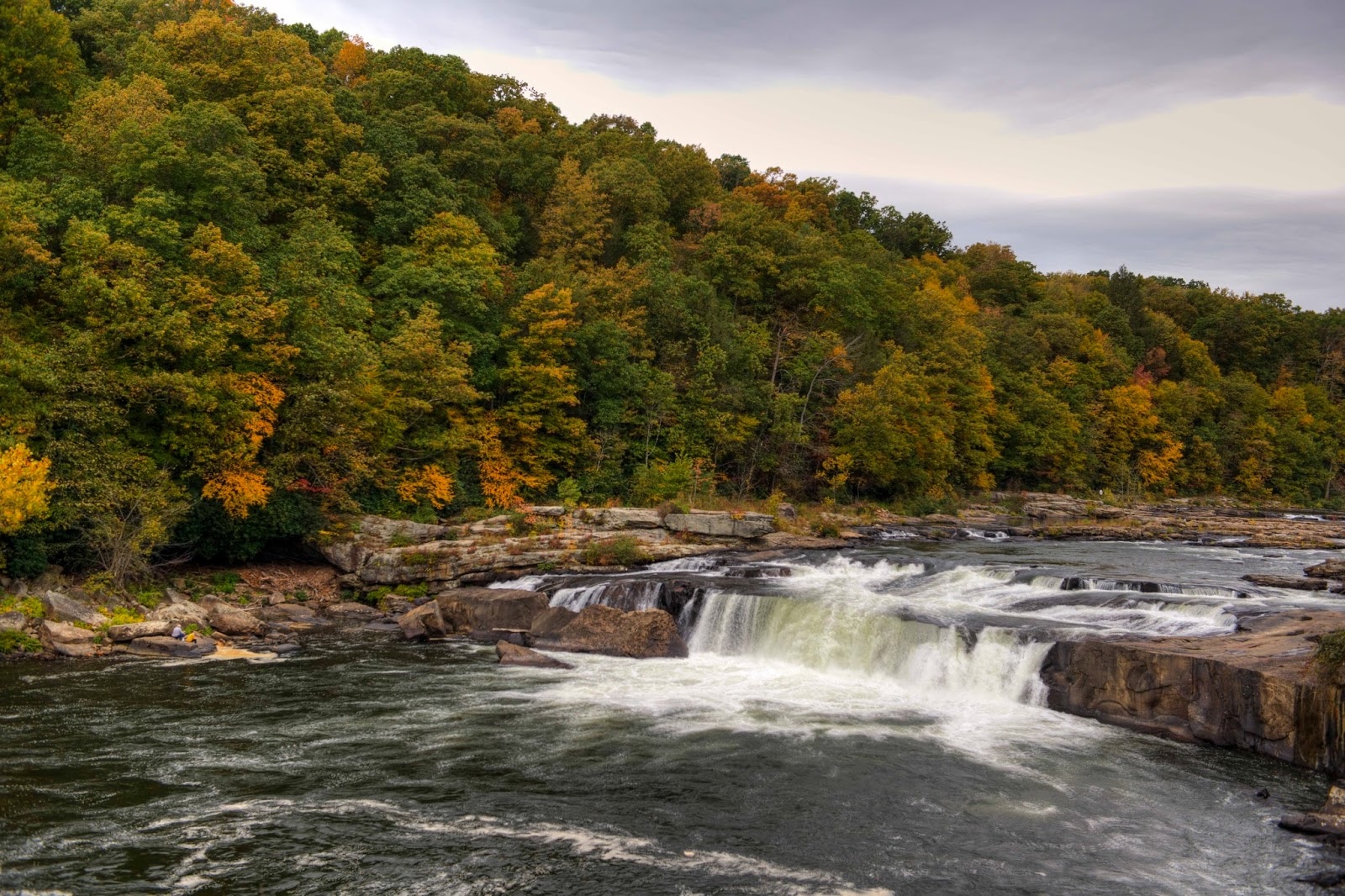
Just a couple more stops before we are home.  The first was Ohiopyle, (just love saying that name;))PA where two Frank Lloyd Wright designed homes reside.

Small Falls in small town of Ohiopyle, PA.

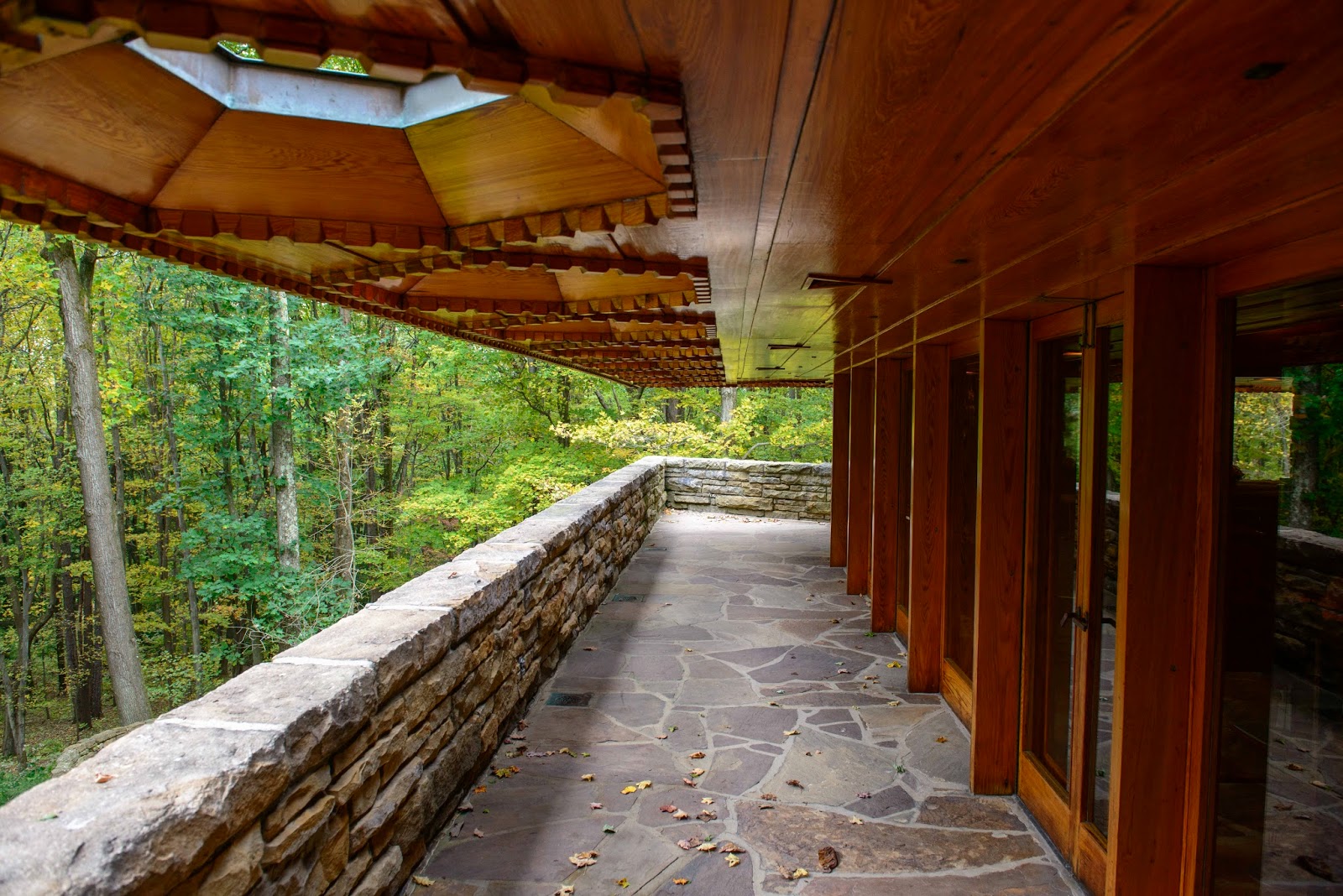
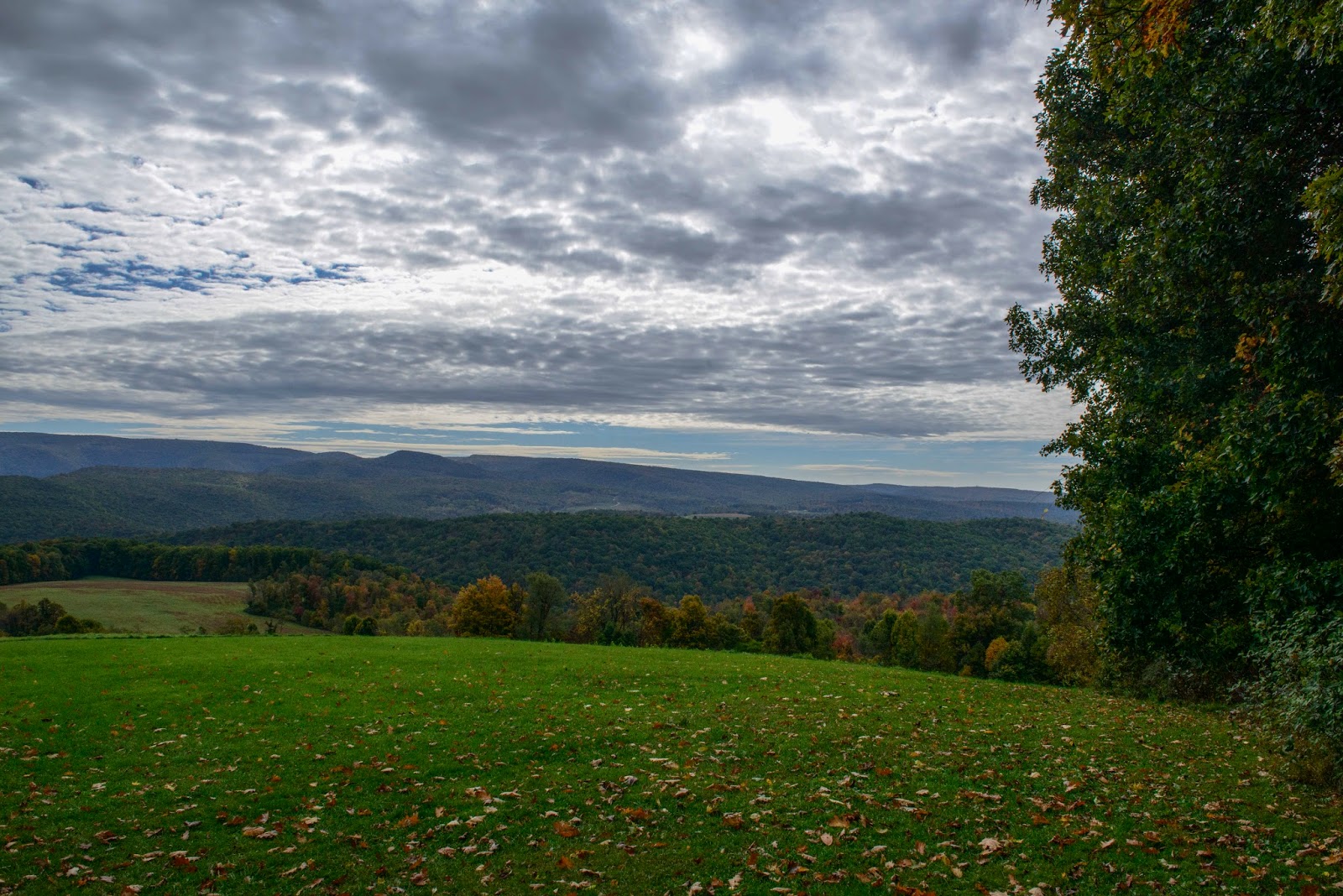
The first that we visited was Kentuck Knob – I. N. & Bernardine Hagan House.  The Hagan’s purchased 89 acres in the mountains above Uniontown in western PA.  After falling in love with Fallingwater (only about 30 minutes away), they asked FLW to design a house for them – one of the last homes to be completed by Wright.  Kentuck Knob was built around the knob of the hill in a very similar manner to his own home – Taliesen in Wisconsin.  Kentuck Knob had incredible views until Mrs. Hagan seeded thousands of trees, which grew over the years to obliterate the view from the house!!!  The current owners have attempted to maintain the integrity of the house, including finding some of the FLW designed furniture (or similar) to bring the house back to its original appearance and have done a wonderful job with it.

Patio deck of Kentuck Knob.

Views from the Kentuck Knob – after walking through the trees.

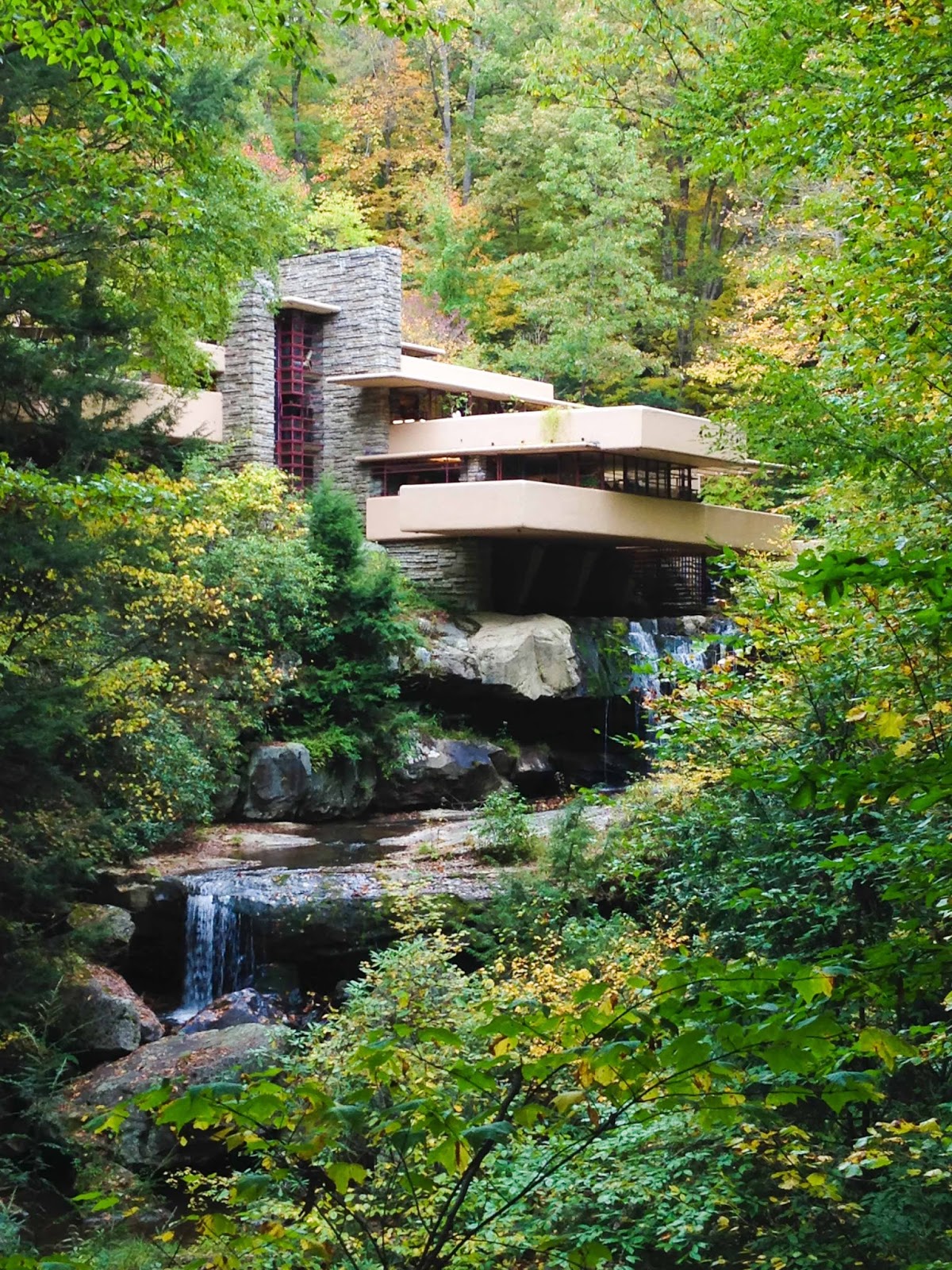
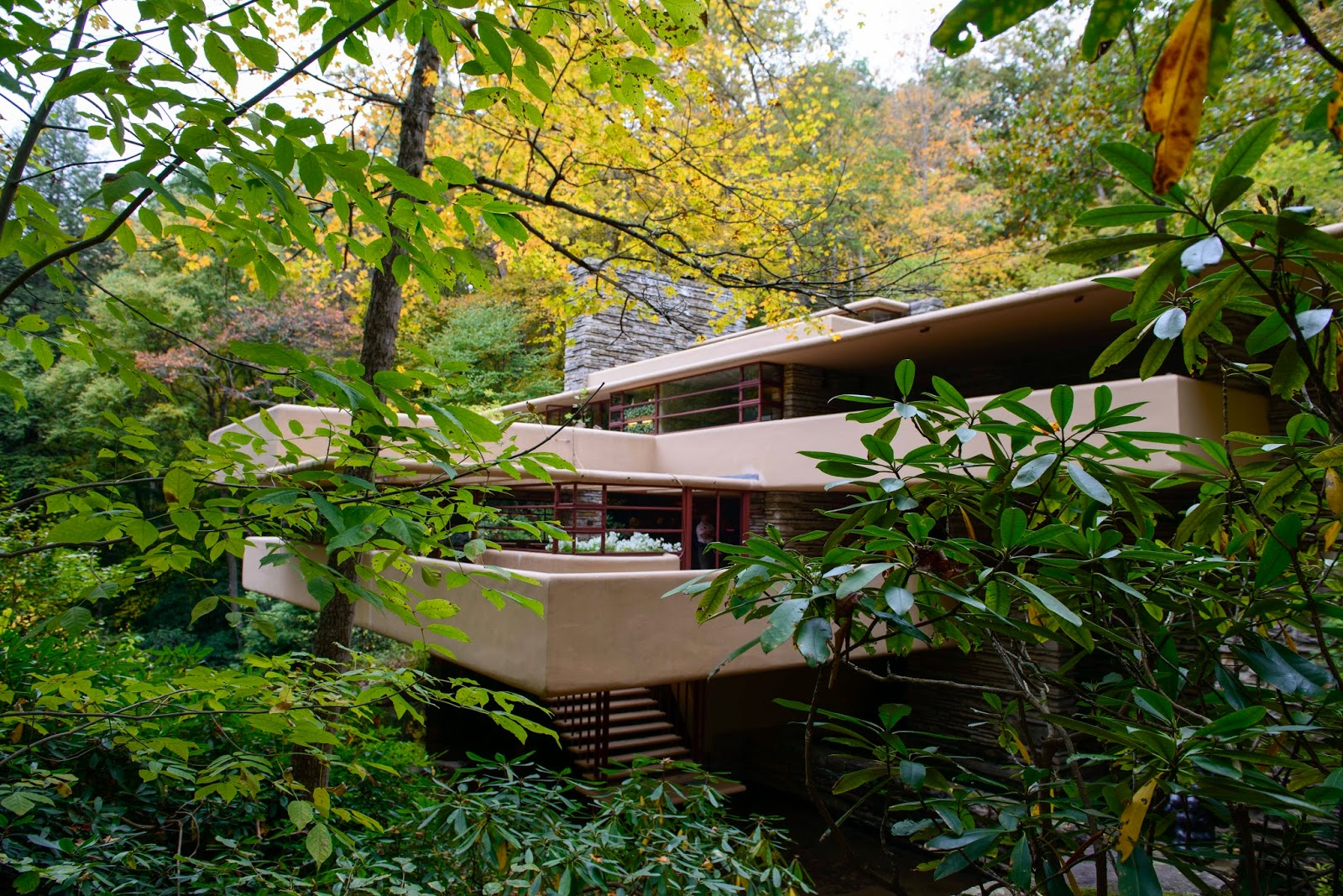
On the other side of Ohiopyle is Fallingwater – perhaps the most famous of the FLW designed houses.  Fallingwater was designed by FLW in 1935 and constructed  from 1936-38, followed by the guest house in 1939, for Edgar Kaufmann, Sr. and his wife Liliane as a mountain retreat.  The home was owned and used by the Kaufmann’s and their son, Edgar Kaufmann, Jr., until 1963, when it was entrusted by Edgar, Jr. to the Western Pennsylvania Conservancy.  Because this house was entrusted directly to a Conservancy by the original owners, it is intact with its original furnishings, artwork and setting – the only major FLW designed house to open to the public in such a state.  It is pretty impressive!!

Views of Fallingwaters

Pretty Awesome!!

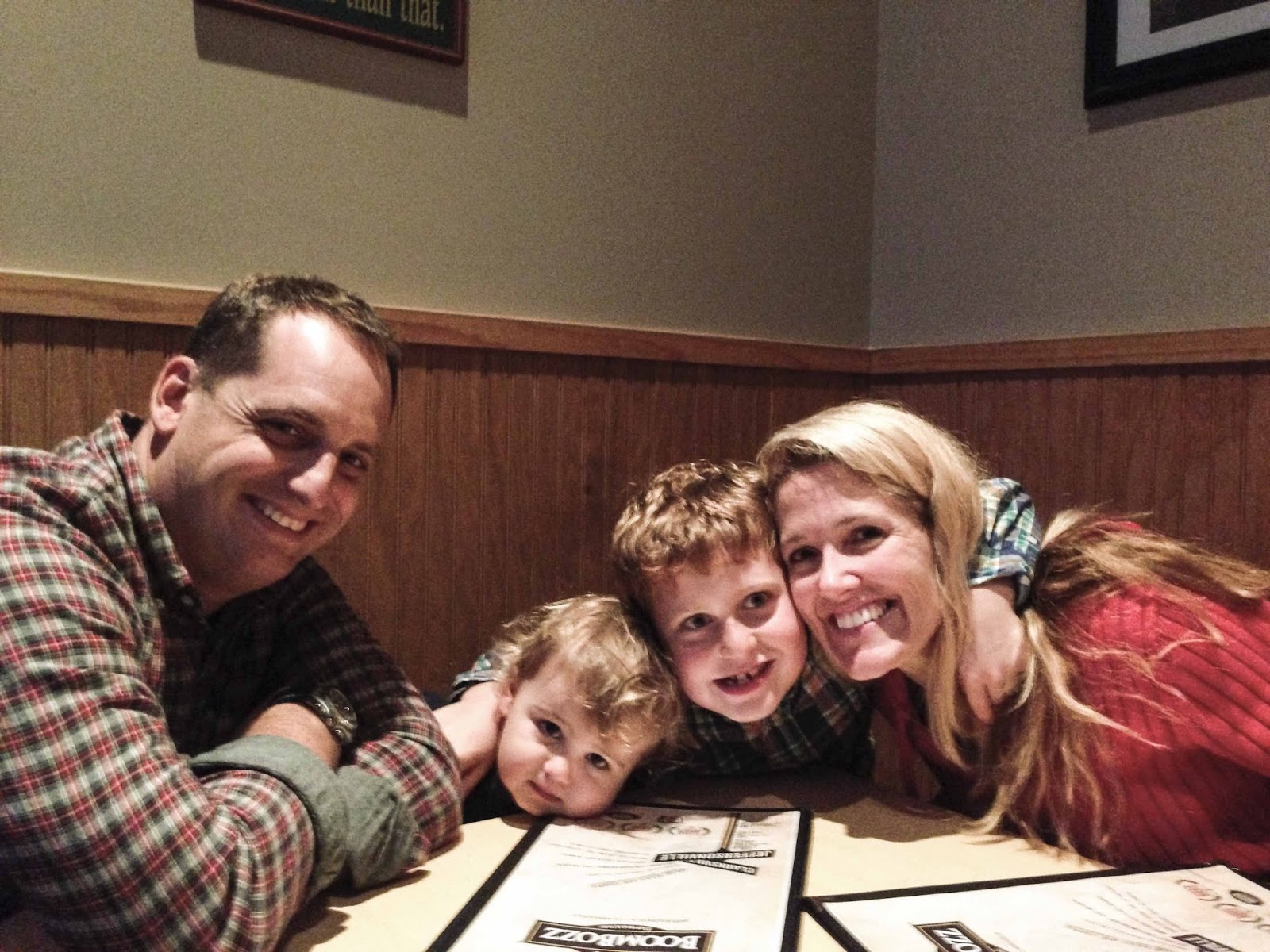
While we were now ready to be home – there were two more stops to say ‘Hi!’ to family and friends.  First stop – Louisville to see cousin Galadriel and her family Jeff, Graysen and Henry;-)

The Morgenthau’s

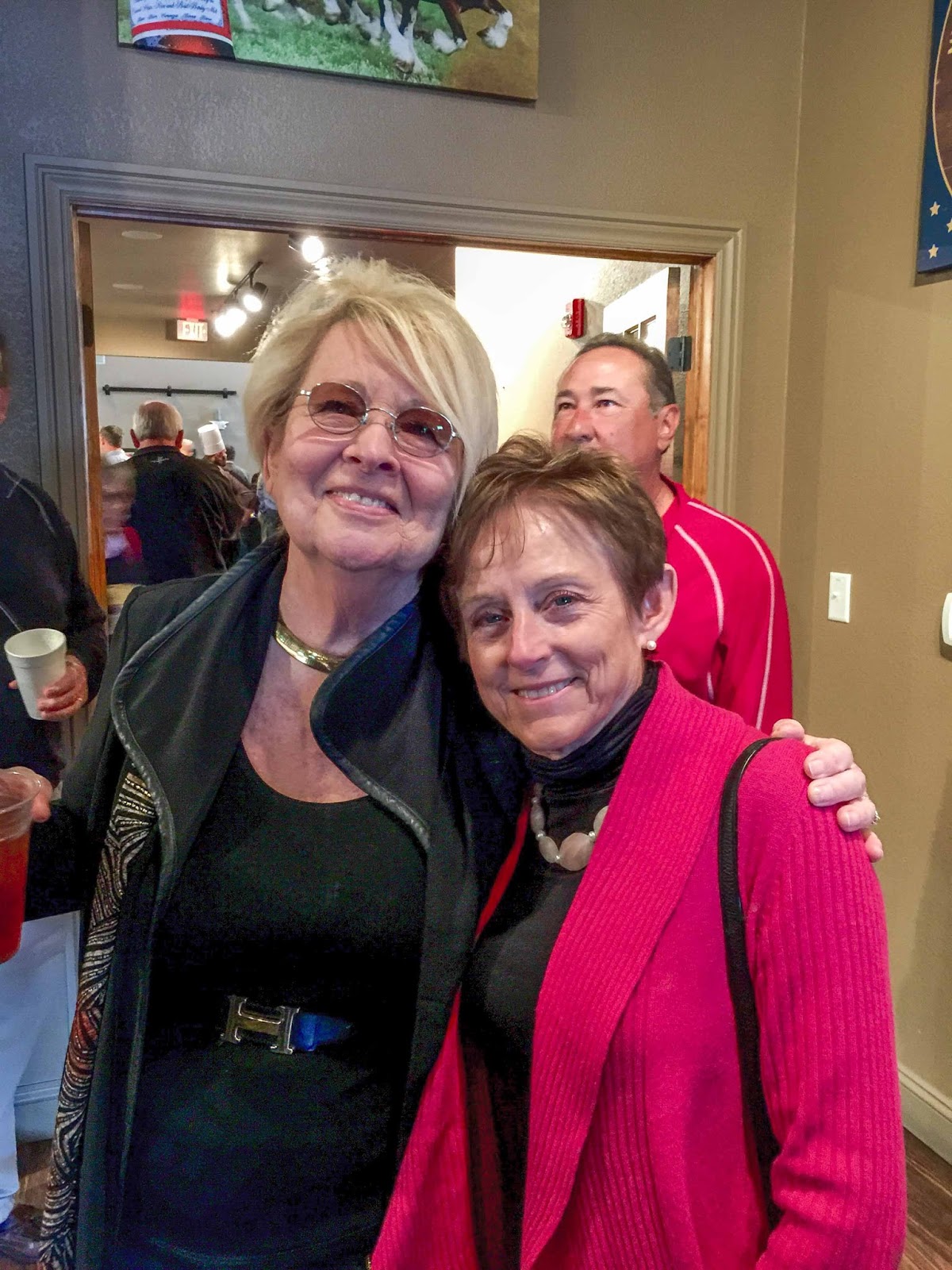
Second stop – Springfield, MO to see loooooooong-time friend Janet and her husband, Perry –

Partners in many a crime?????

AND NOW – we are horses headed for the barn!!!!

Amarillo by morning – or maybe its tomorrow evening – and Flagstaff Tuesday;-)

See you in Scottsdale – Elizabeth & Gary on their final leg

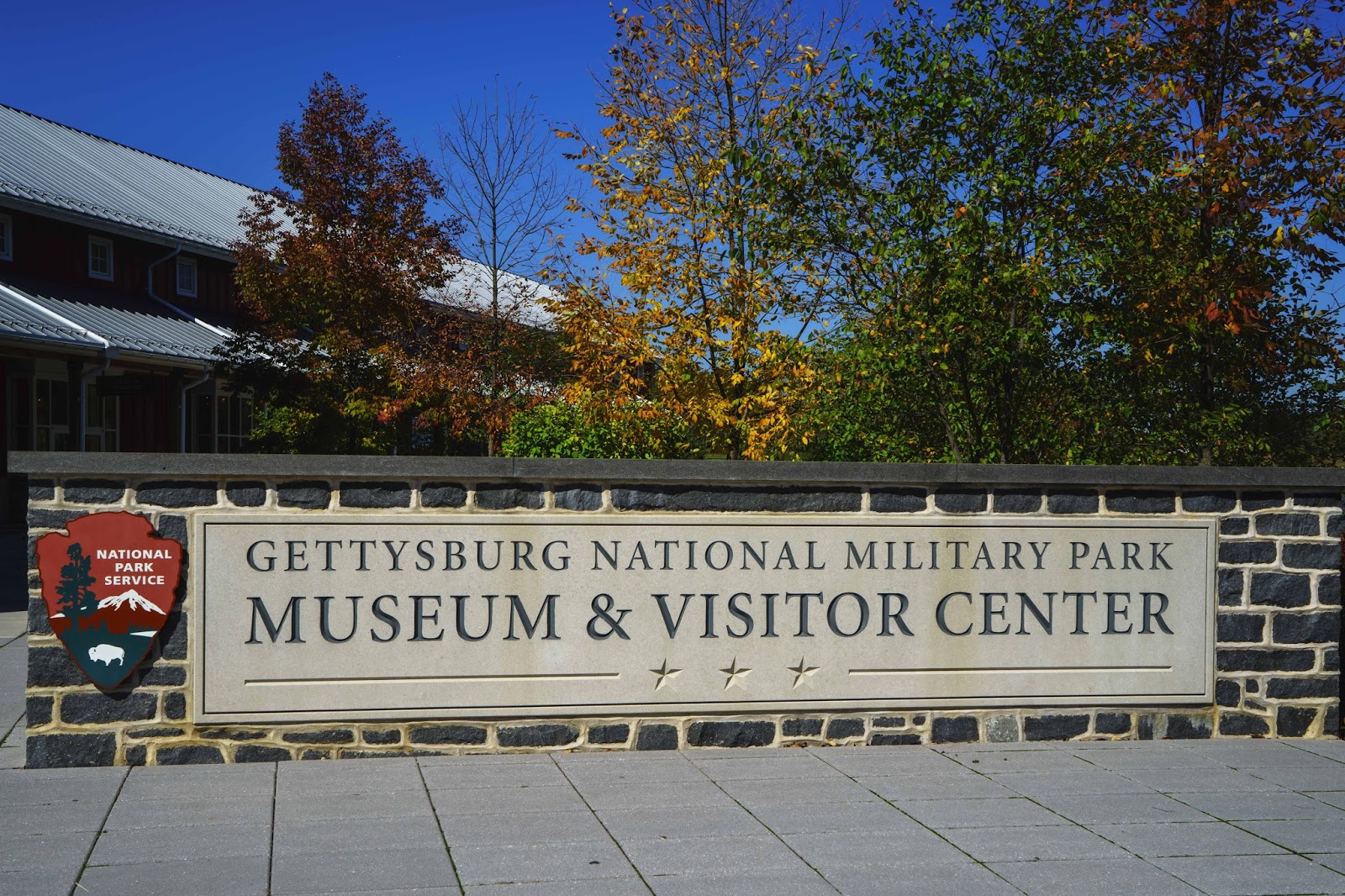
Gettysburg

Where to begin?  As noted before, all Americans should see our National Parks.  While Gettysburg is a  National Military Park (not just a NP) – it should be the equivalent of ‘required reading’ – required visitation?? – for ALL Americans!  If walking through this hallowed ground does not at some point bring a tear to ones eye – I can’t even think of words to comment.

Much has been written and said about Gettysburg (and we have all read about this battle in our elementary school days).  BUT – the most tangible connection to those three days in July is the battlefield itself, parts of which look much as they did in 1863.  Fences, hills, rocks, cannon, and even the monuments provide an opportunity to reflect and TRY to understand what happened here.

Confederate Gen. Robert E. Lee marched his Army of Northern Virginia northward into Maryland and Pennsylvania.  They were followed by the Union Army of the Potomac.  The three day battle of Gettysburg opened on July 1 with Confederates attacking Union troops on McPherson Ridge.  The Union troops were overpowered and driven back to Cemetery Hill.  During the night the  main body of the Union army, commanded by Maj. Gen. Meade, arrived and took up positions.

July 2 – battle lines were drawn with the main portions of both armies nearly one mile apart on parallel ridges – Union forces on Cemetery Ridge and Confederate forces on Seminary Ridge.  Lee ordered an attack against both Union flanks which were momentarily successful, but could not be exploited to the Confederate advantage.

July 3 – After a two-hour bombardment of the Union lines on Cemetery Ridge by Lee’s artillery, which did little to soften up the Union defensive position, some 12,000 Confederates advanced across open fields toward the Union center in an attack known as “Pickett’s Charge”.  The attack failed and cost Lee over 5,000 soldiers in one hour!  The Battle of Gettysburg was over and 51,000 soldiers were dead, wounded or missing.

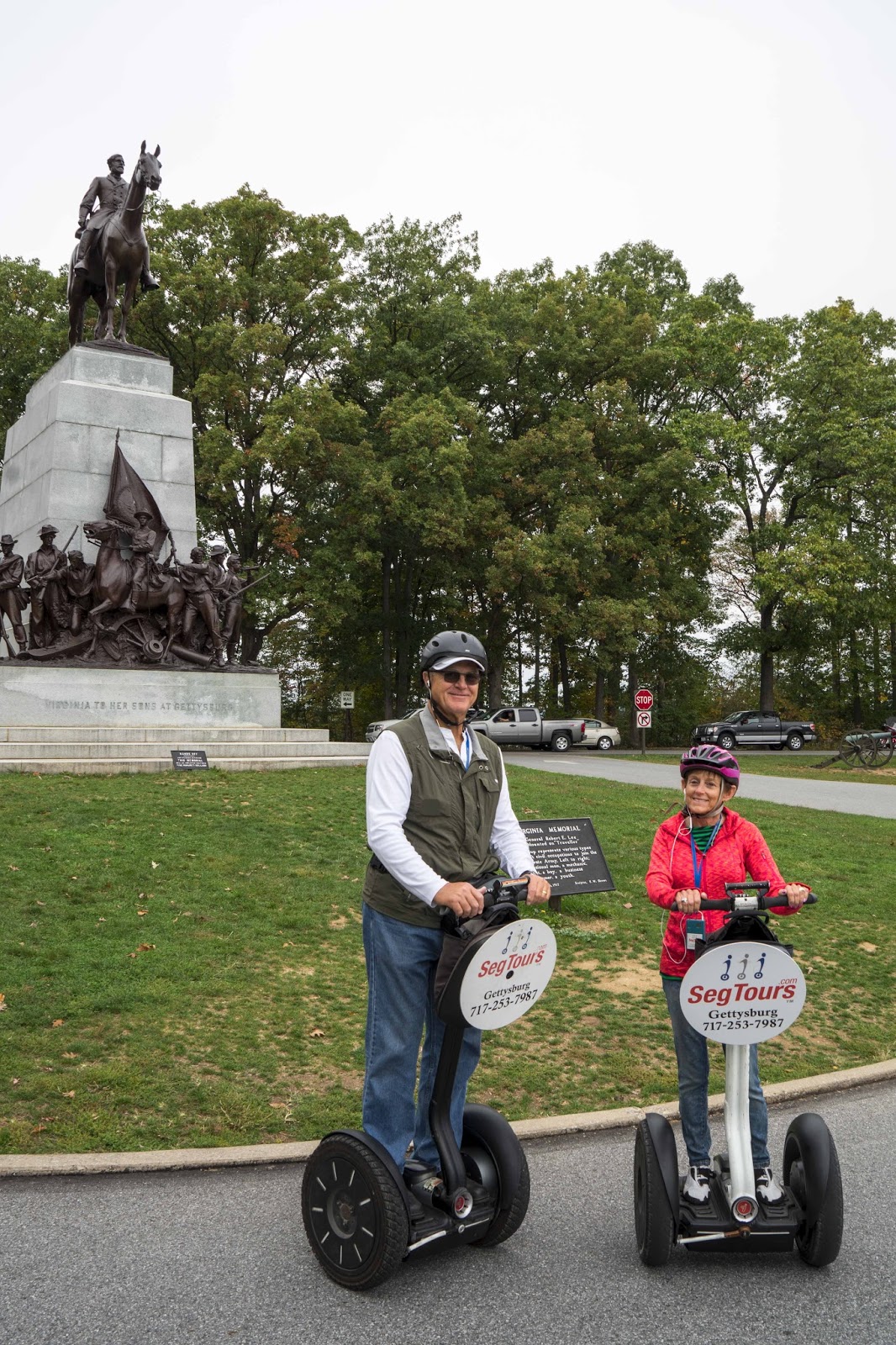
There are ‘state’ memorials on Seminary Ridge noting where various of Lee’s troops began their charge.  (The Confederates were not the winners here – so the documentation of their positions/actions are not as detailed as those of the Federation/Union.)

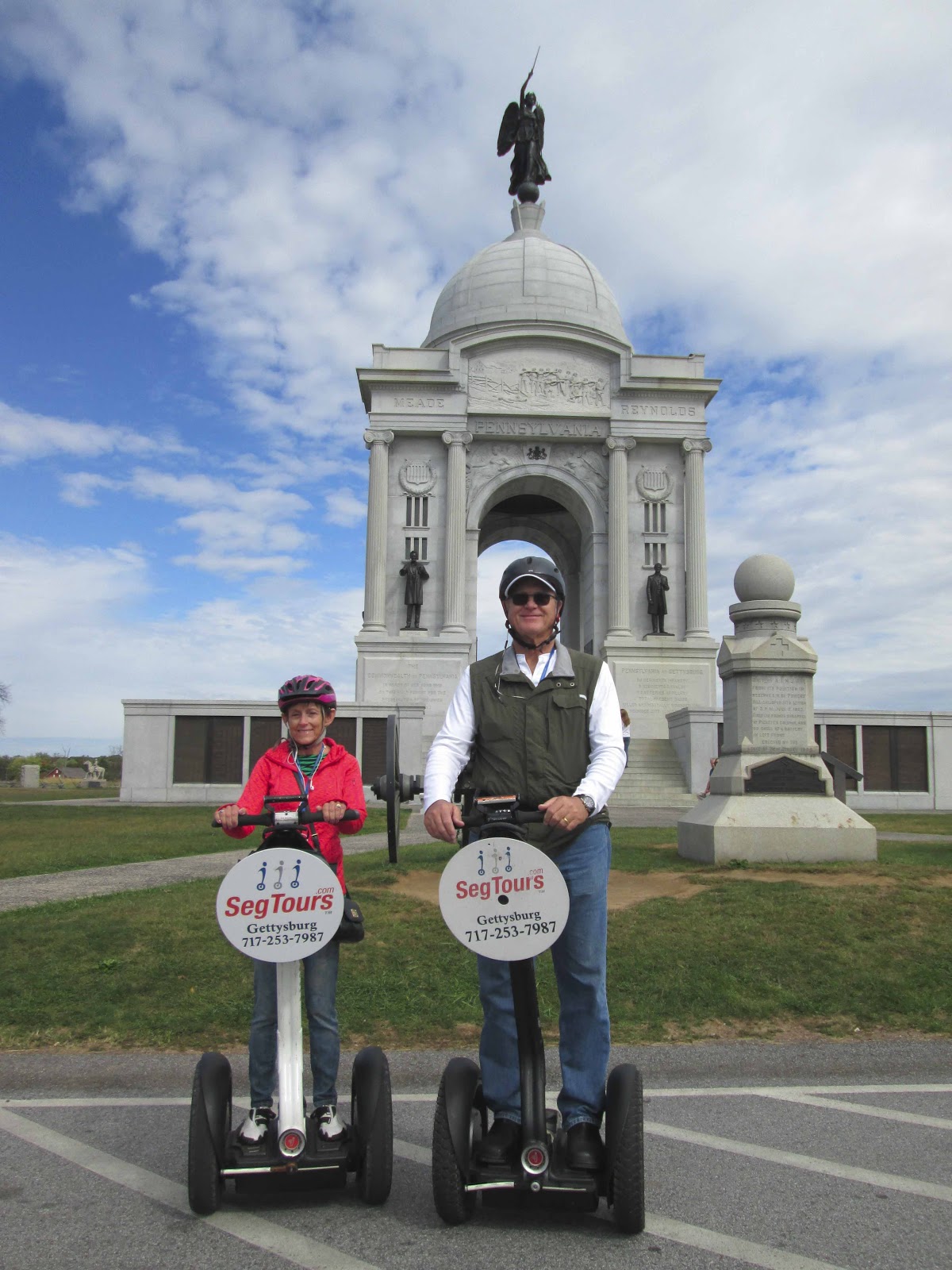
Segways are a great way to tour the battlefield.
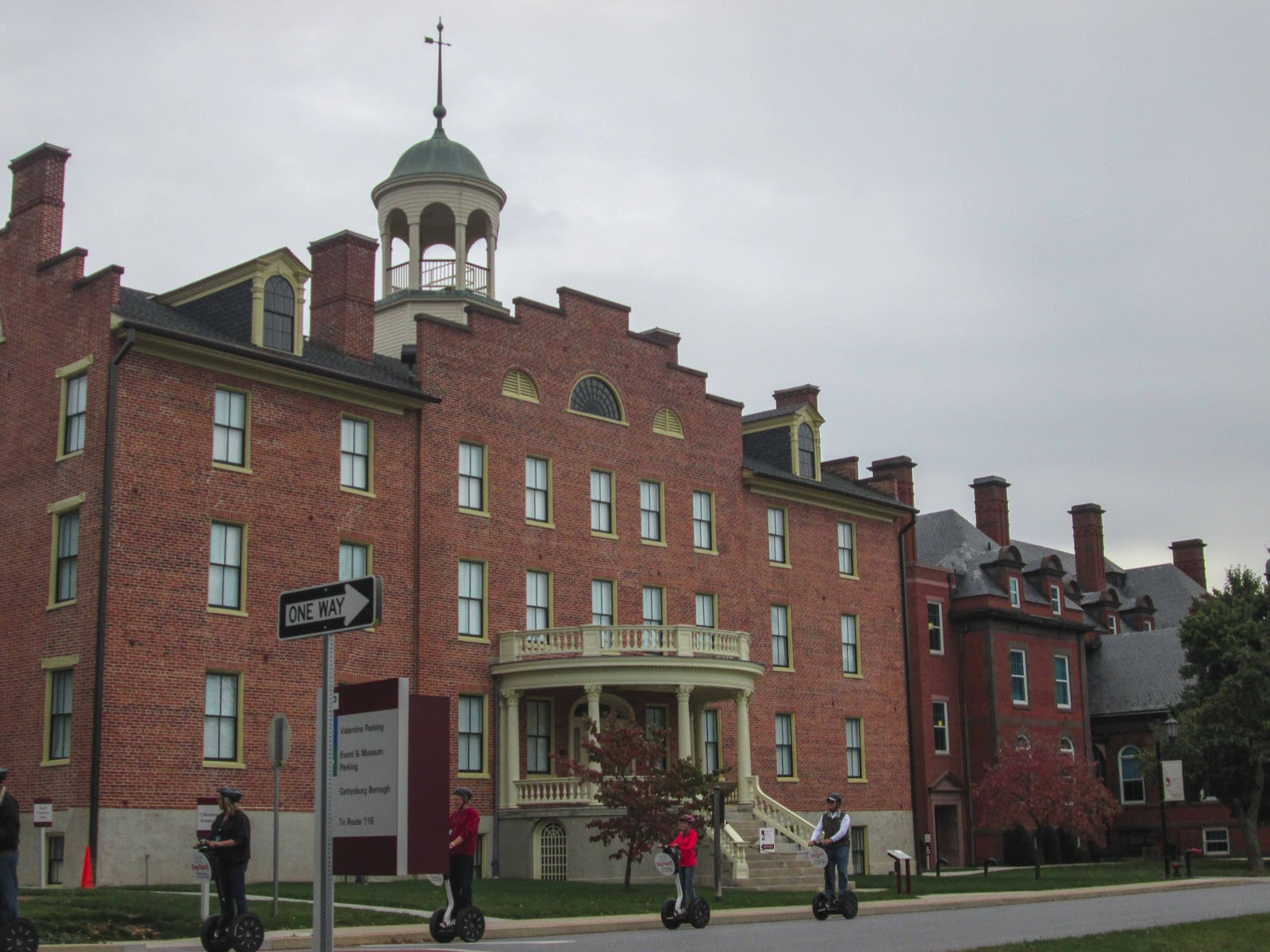
The Seminary on Seminary Ridge – area of Confederate line.

Detailed markers/memorials note the positions of each battalion and many of the officers of the  7,000 Union/Federation soldiers on Cemetery Ridge as they held their position and repulsed the bulk of the 12,000-man Pickett’s Charge.

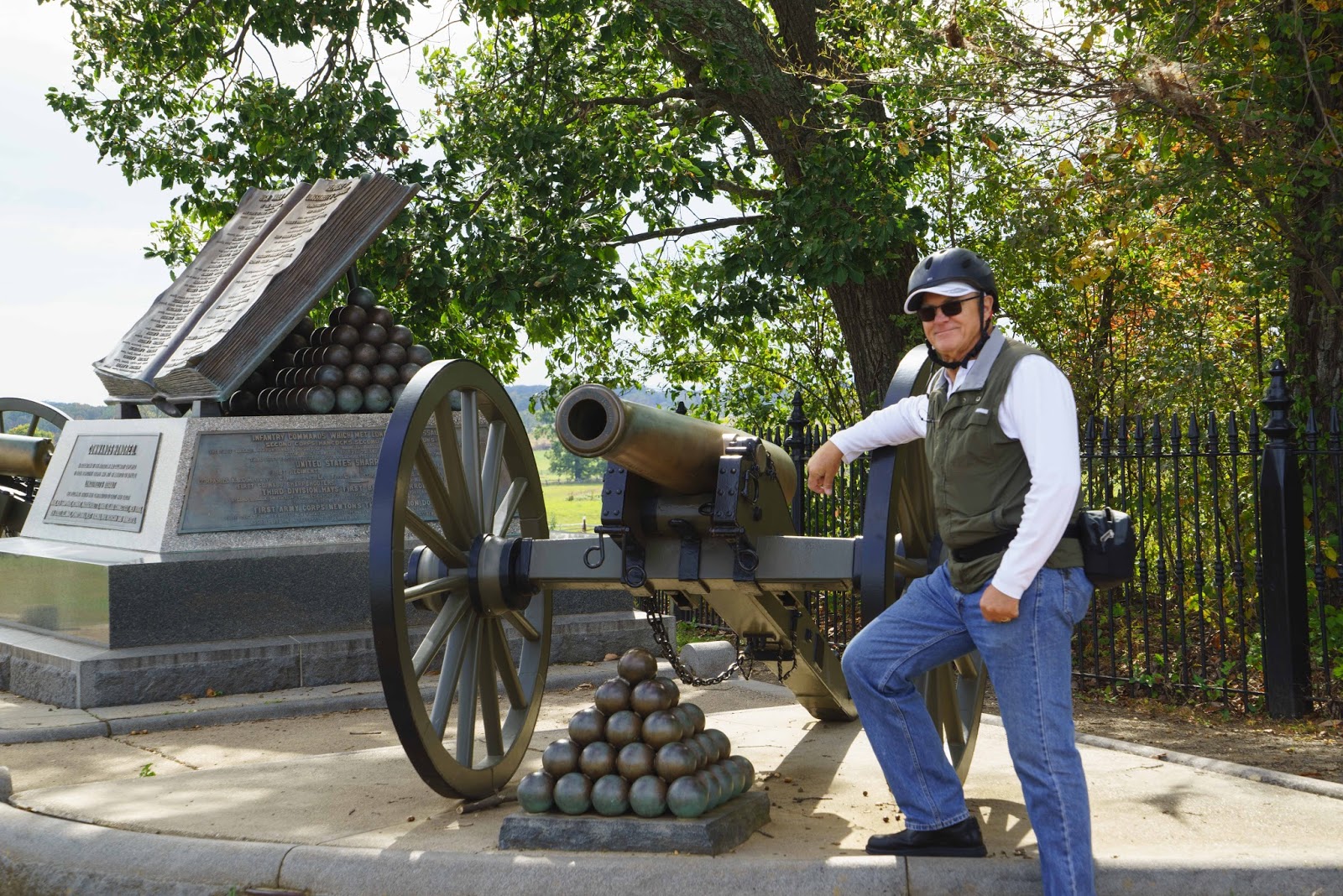
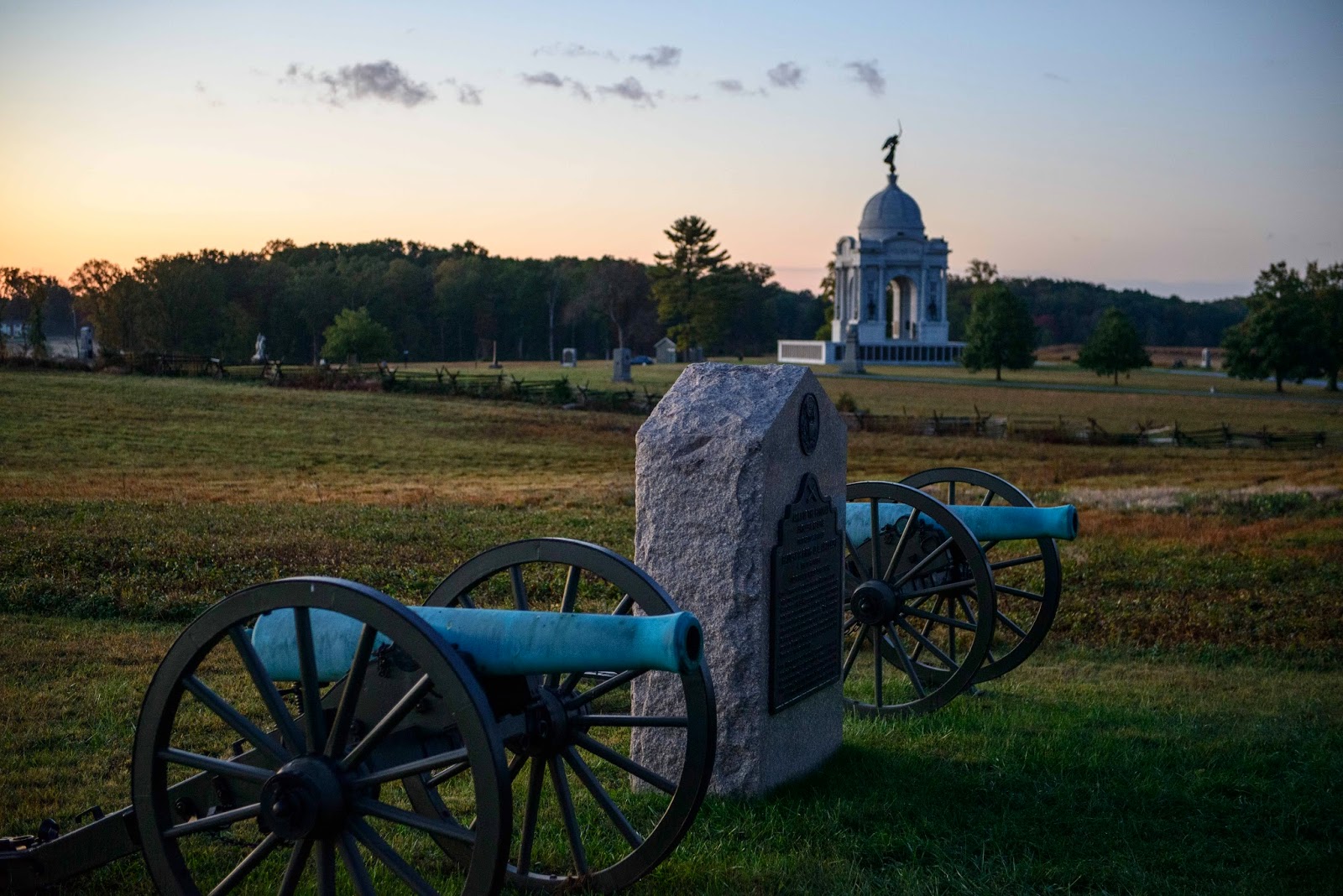
Markers and cannon in position – Frightening to think of these firing down on you as you cross the open battlefield.

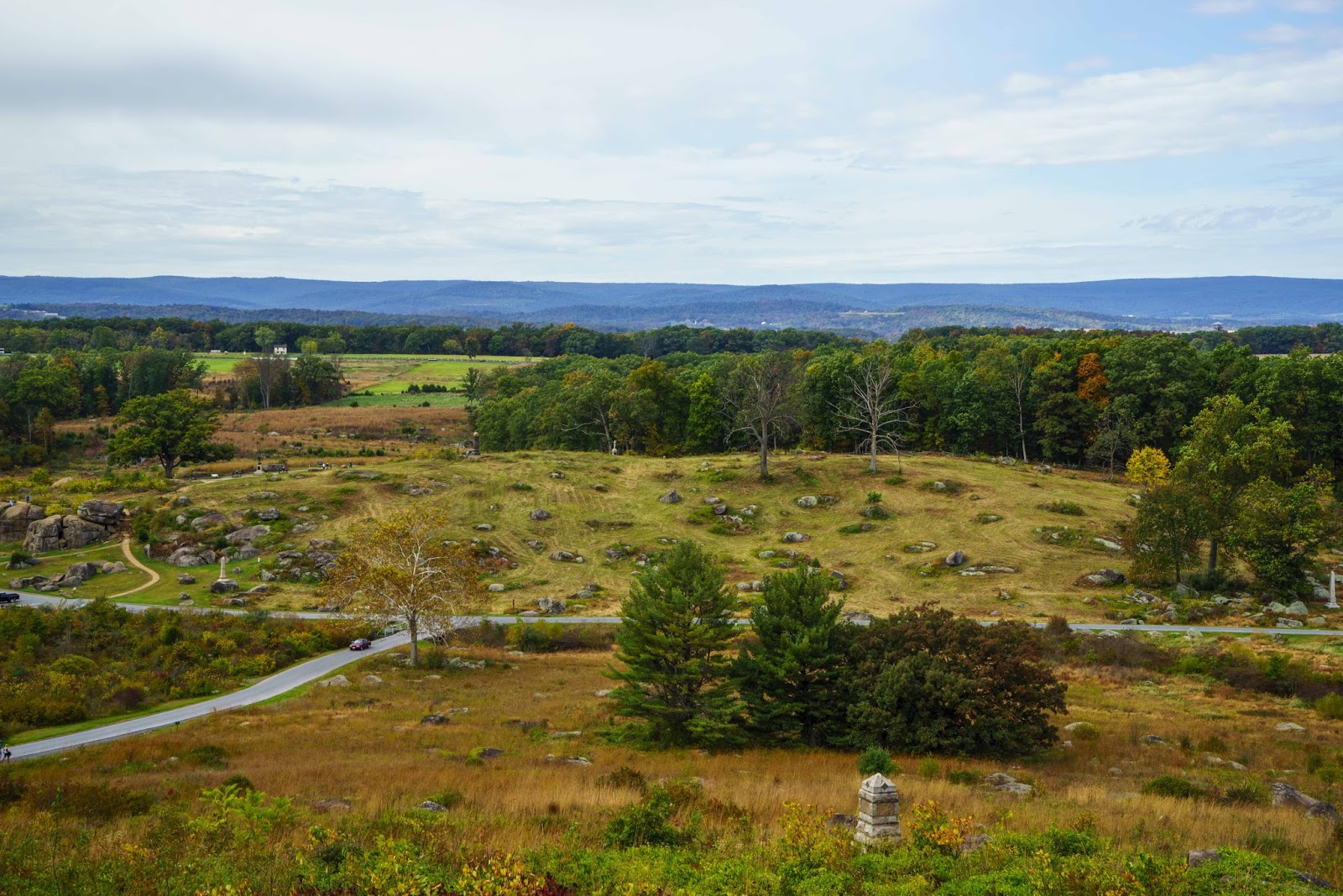
A view from the Union positions on Little Round Top, looking down onto the Devil’s Den area of the battlefield.  More markers noting positions.

The Pennsylvania Memorial provides the backdrop to the cannon.  All the small memorials note positioning of troops and cannons are in actual firing locations.

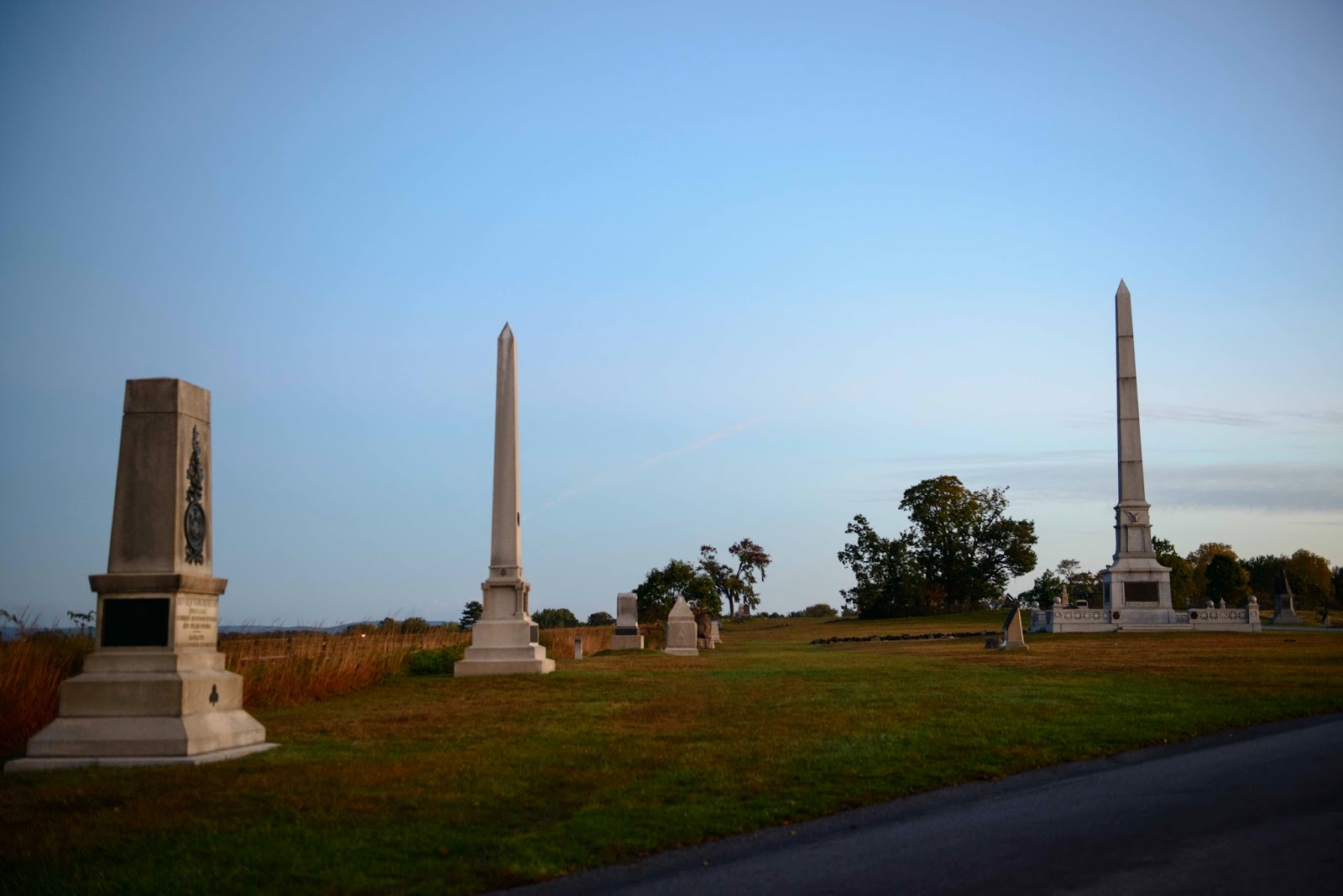
Memorials mark the Union front battle lines along Cemetery Ridge.  The open field to the left is the ground the Confederates advanced on.

When the armies marched away from Gettysburg they left behind a community in shambles.  Most of the dead lay in hastily dug and inadequate graves and some had not been buried at all.  This situation so distressed PA Gov. Curtin that he commissioned the local attorney to buy land for a proper burial ground for the Union dead.  Within four months of the battle, reinterment began on 17 acres that became Gettysburg National Cemetery.  The cemetery was dedicated on November 19, 1863 where President Abraham Lincoln gave the famed Gettysburg Address.  Only 272 words that took a mere 2 minutes to deliver.  Considered a masterpiece that transformed Gettysburg from a scene of carnage into a symbol giving meaning to the sacrifice of the dead.  Think of standing in a cemetery with all these dead – many unnamed – in the very middle of the battlefield and read this piece again.  A whole new meaning!!

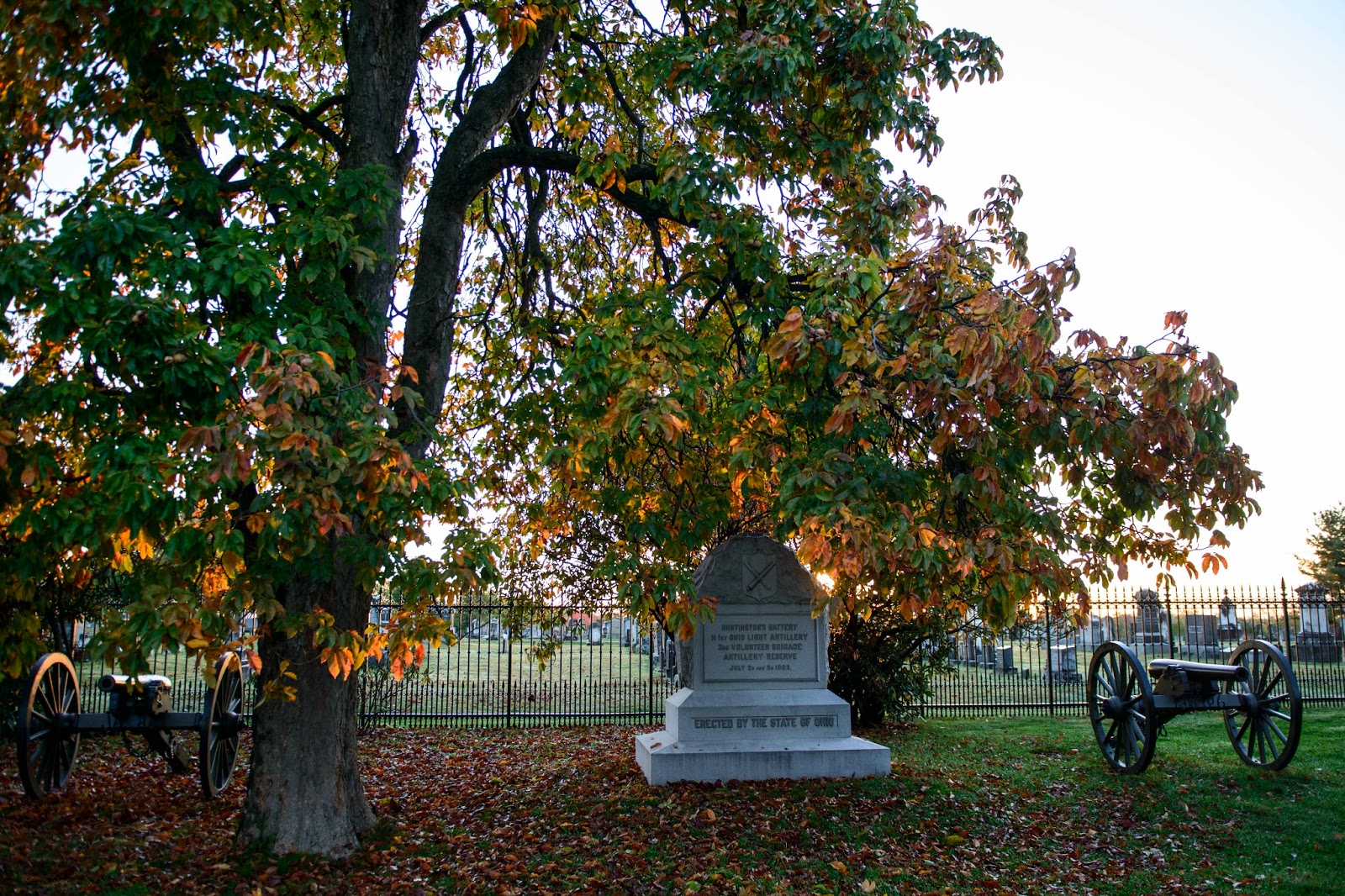
The Ohio memorial – noting their position in the 3-day battle on Cemetery Hill – which now happens to be in the National Cemetery.

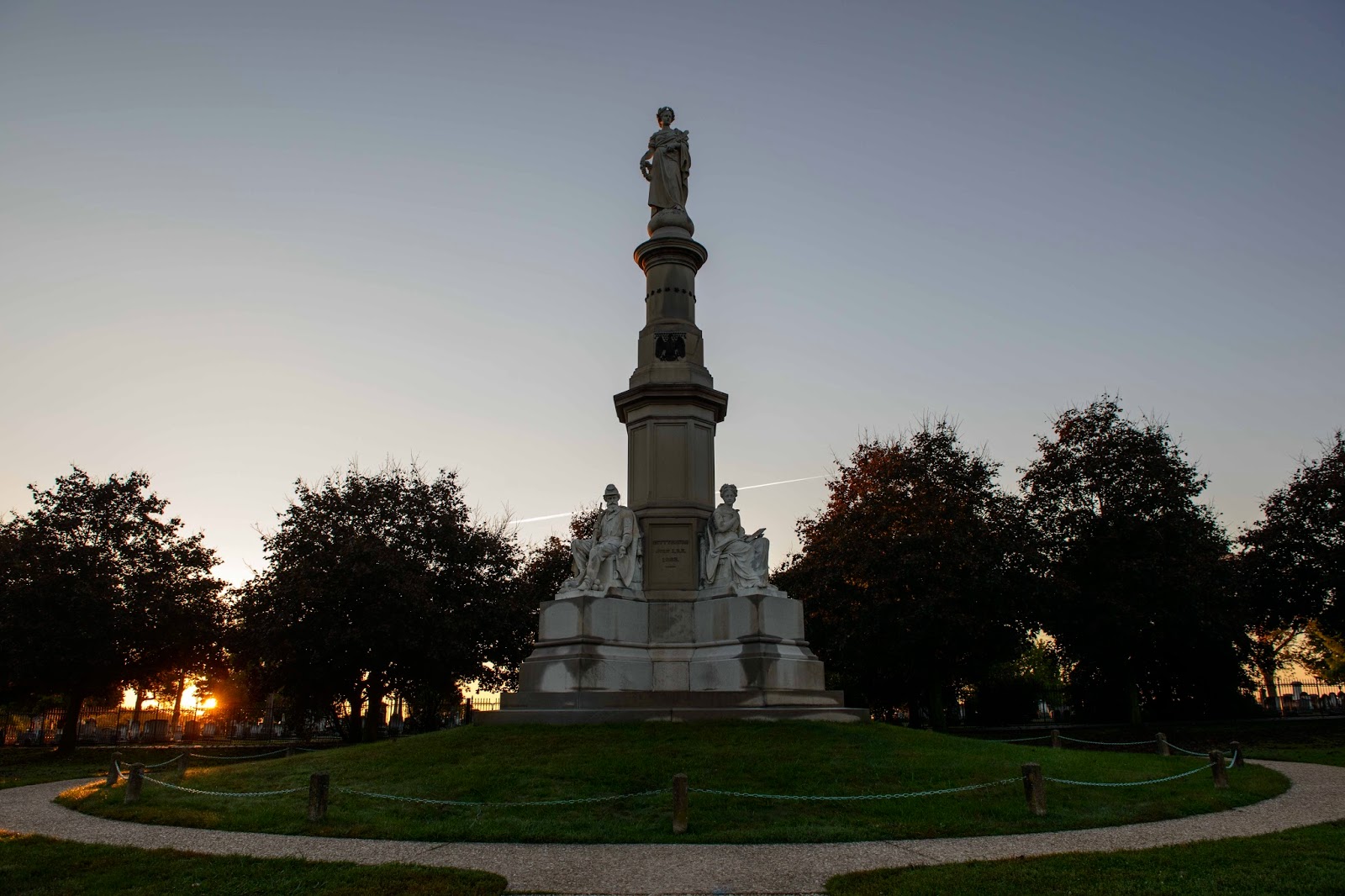
The Soldiers Memorial in the National Cemetery marks the spot near which Lincoln delivered the Gettysburg Address.

The remains of  Confederate soldiers were removed from the battlefield to cemeteries in the South and the black soldiers were buried in a cemetery not far from Cemetery Hill.

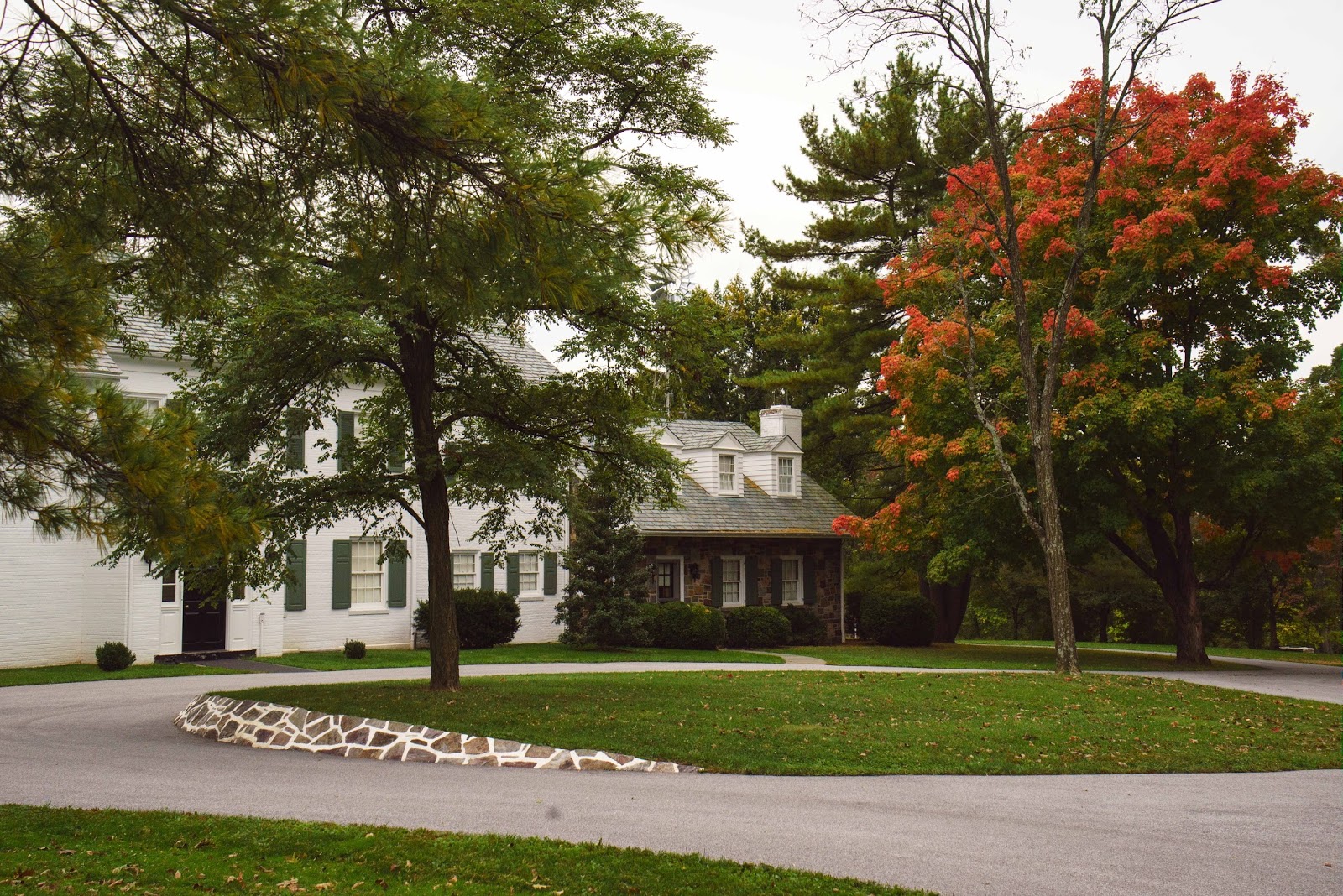
 On the western edge of the Gettysburg battlefield – just beyond where the Confederate forces amassed on Seminary Ridge – is Eisenhower’s retirement home (Eisenhower National Historic Site).  Eisenhower wasn’t looking for an army career but he wanted to go to college.  He discovered that free education awaited young men appointed to the U.S. Military Academy.  In 1917,  he spent World War I at Camp Colt in Gettysburg in charge of training soldiers for the army’s tank corps.  This is when he fell in love with the area.  When it came time to anticipate retirement, he and Mamie bought a farm near Gettysburg in 1950 – but, their retirement was delayed for another decade.   However, in November 1955 their country home became a temporary White House while Ike recuperated from a heart attack and then a place for him to entertain dignitaries thru the remainder of his presidency.  He loved to show off his farm as he was quite proud of the property and the Black Angus cattle raised on it.

Finally in 1961 they did ‘retire’ to their farm in Gettysburg – the only home they ever  owned!  They made a gift of their farm to the federal government in 1967 with the agreement that Dwight and Mamie would live there for life.  Which they did until Dwight died on March 28, 1969 at the age of 78 and Mamie died November 1, 1979 at the age of 82.

The grounds are quite beautiful and peaceful – leaving no reason to wonder why they loved the place and the time they could spend here.

The Eisenhower home in Gettysburg.

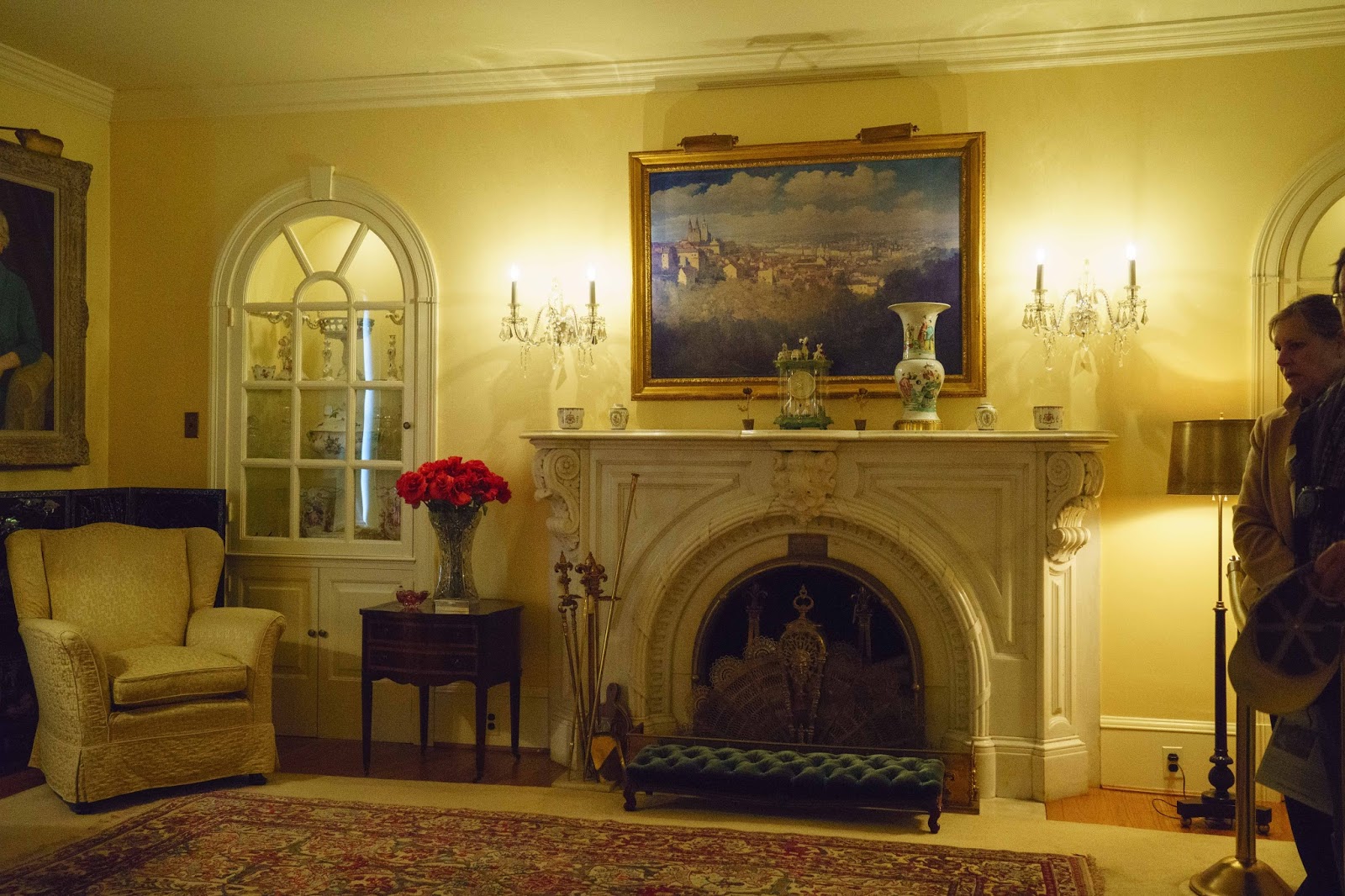
This mantle in the Eisenhower’s living room was originally in the White House during Lincoln’s Presidency.

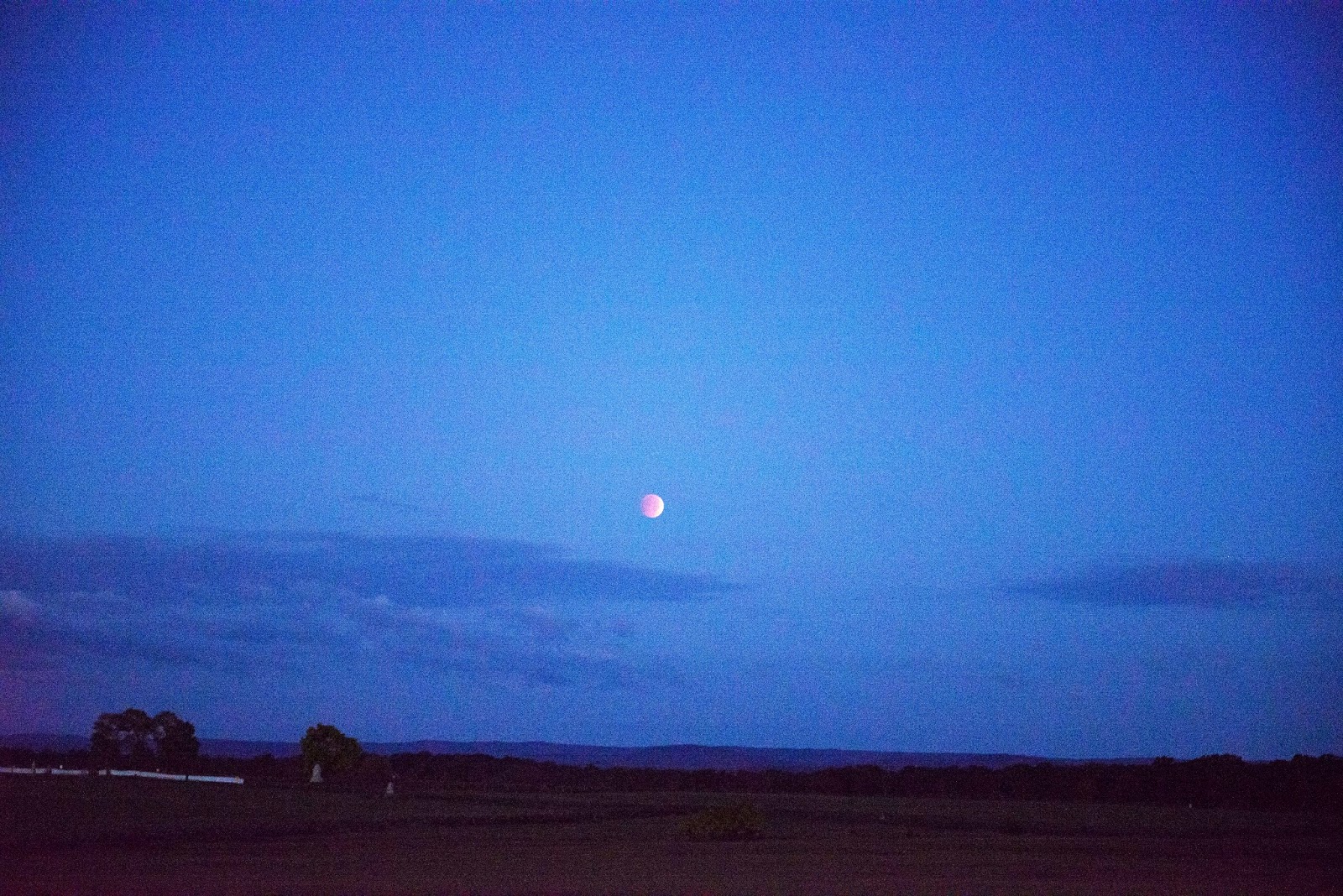
Unfortunately – it was time to move on even though we could spend several more days here.  But before we left, we had an early morning to see the sun rise over the battlefields of Gettysburg (also the Blood Moon set – appropriate, don’t you think).

The “blood moon” working its way to a full ecclipse over the battlefield at dawn. 

What an incredible sight.  Figure out a way to get here and see it if you haven’t yet.

Elizabeth & Gary – WOWED!

Down on the Singley Farm

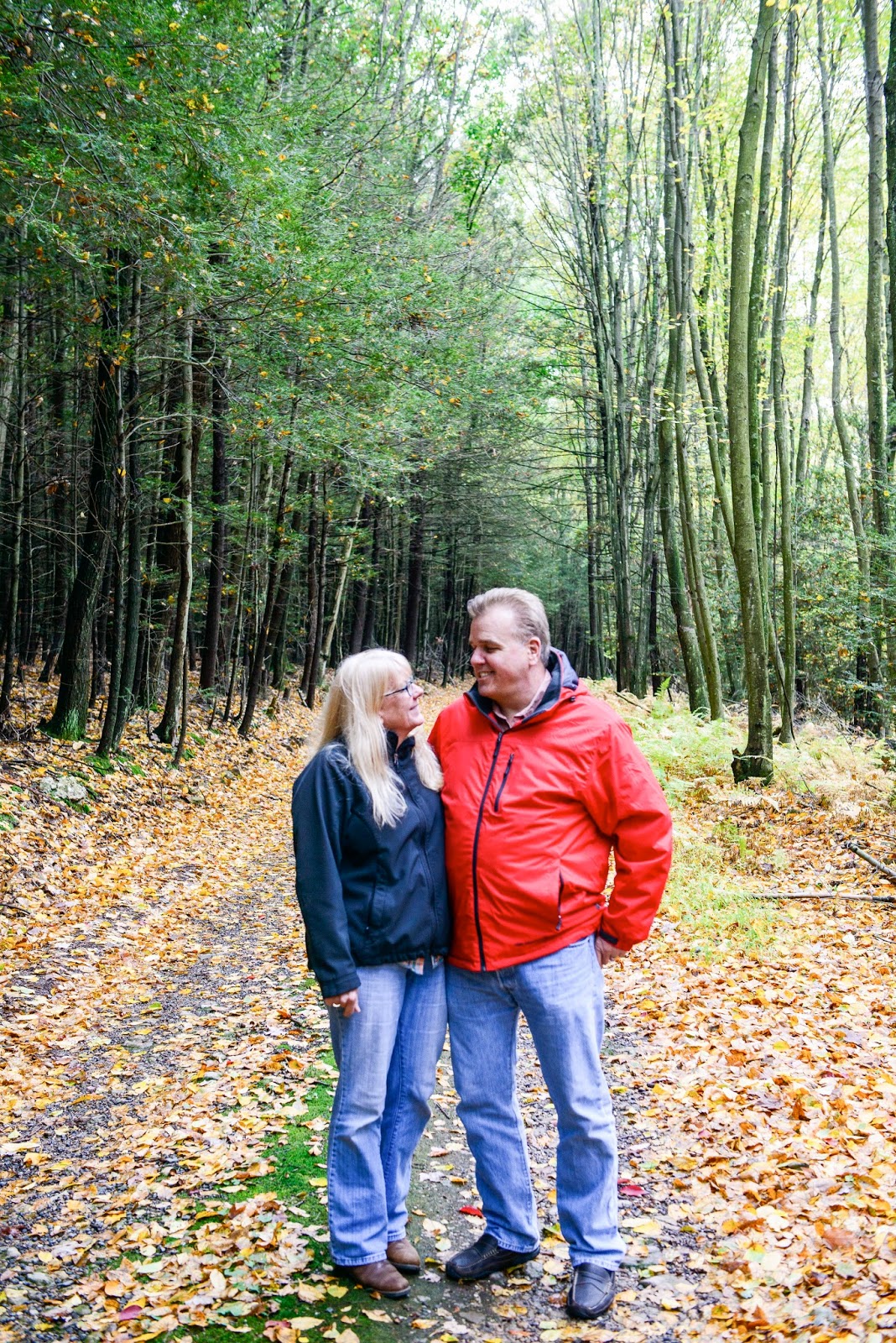
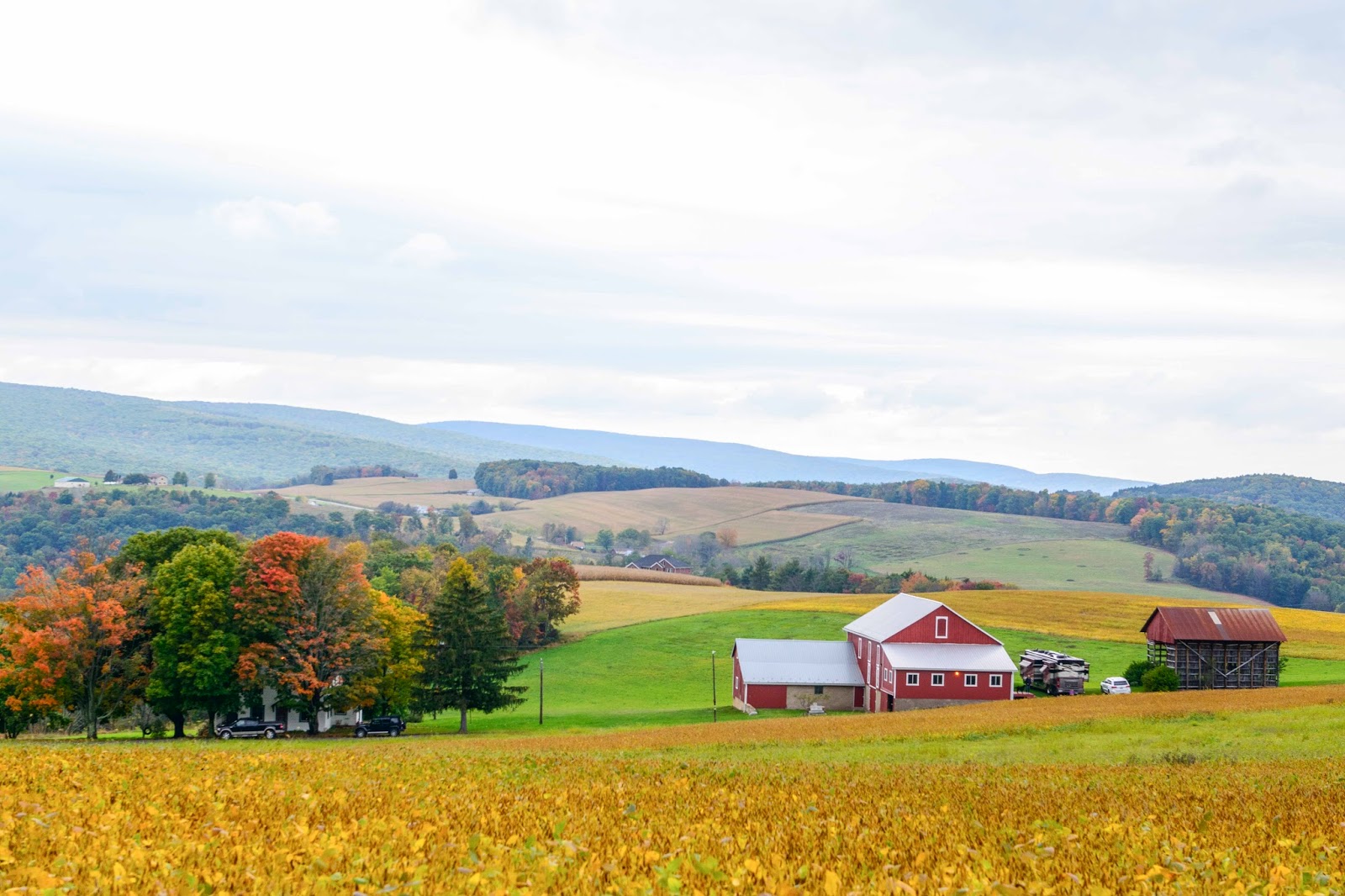
What a GREAT week-end.  Nancy and Mike opened their ‘farm’ to friends Gary, Chuck and us.  Three days of eating, visiting, drinking, eating, redecorating (the living room with a new fireplace!!), eating, sightseeing (a sad, burning up, ghost town – Centralia), eating, drinking, reminiscing, playing games, MORE eating and just enjoying each other’s company in a beautiful setting;-)

Our hosts, Nancy and Mike.
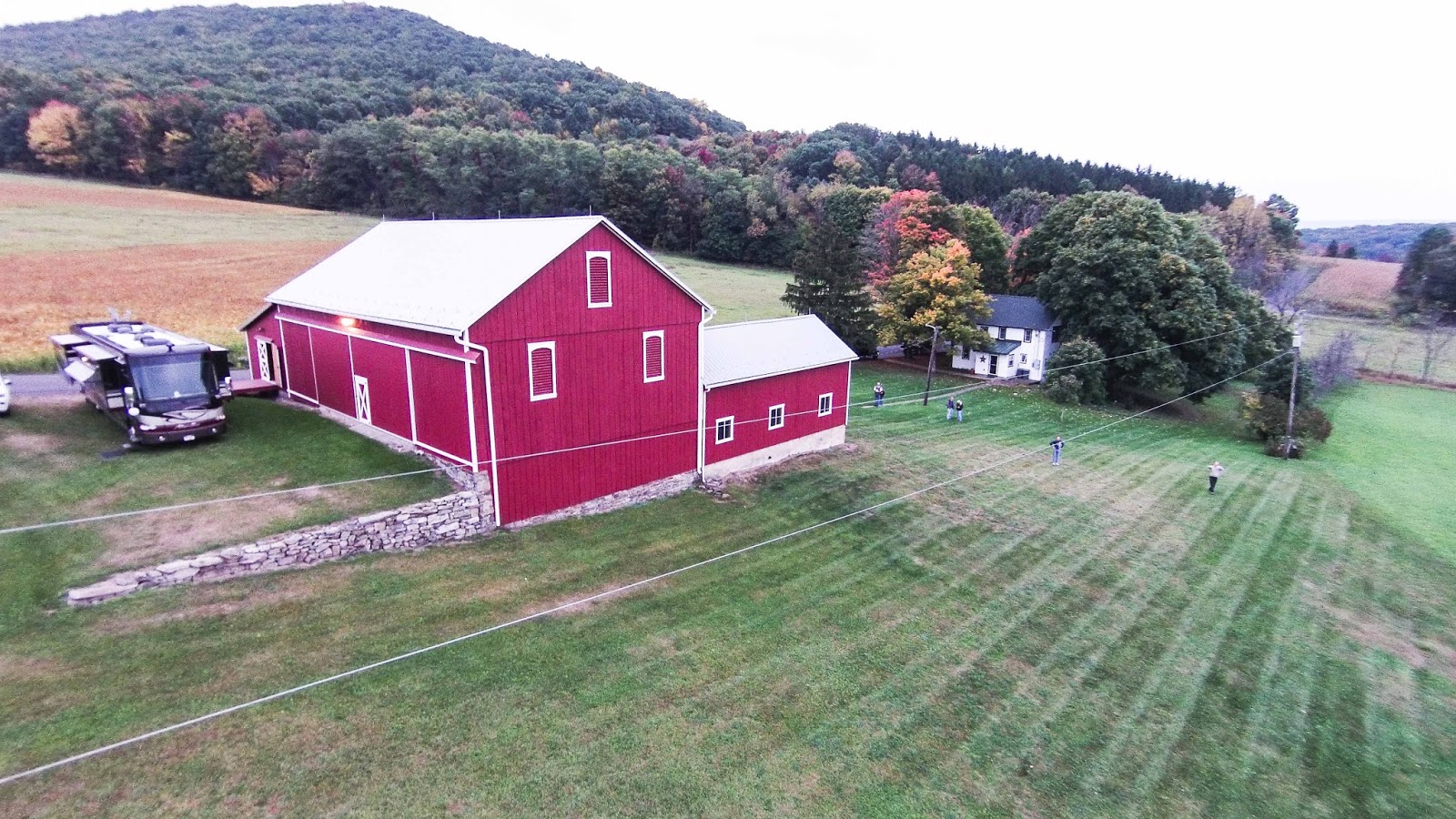
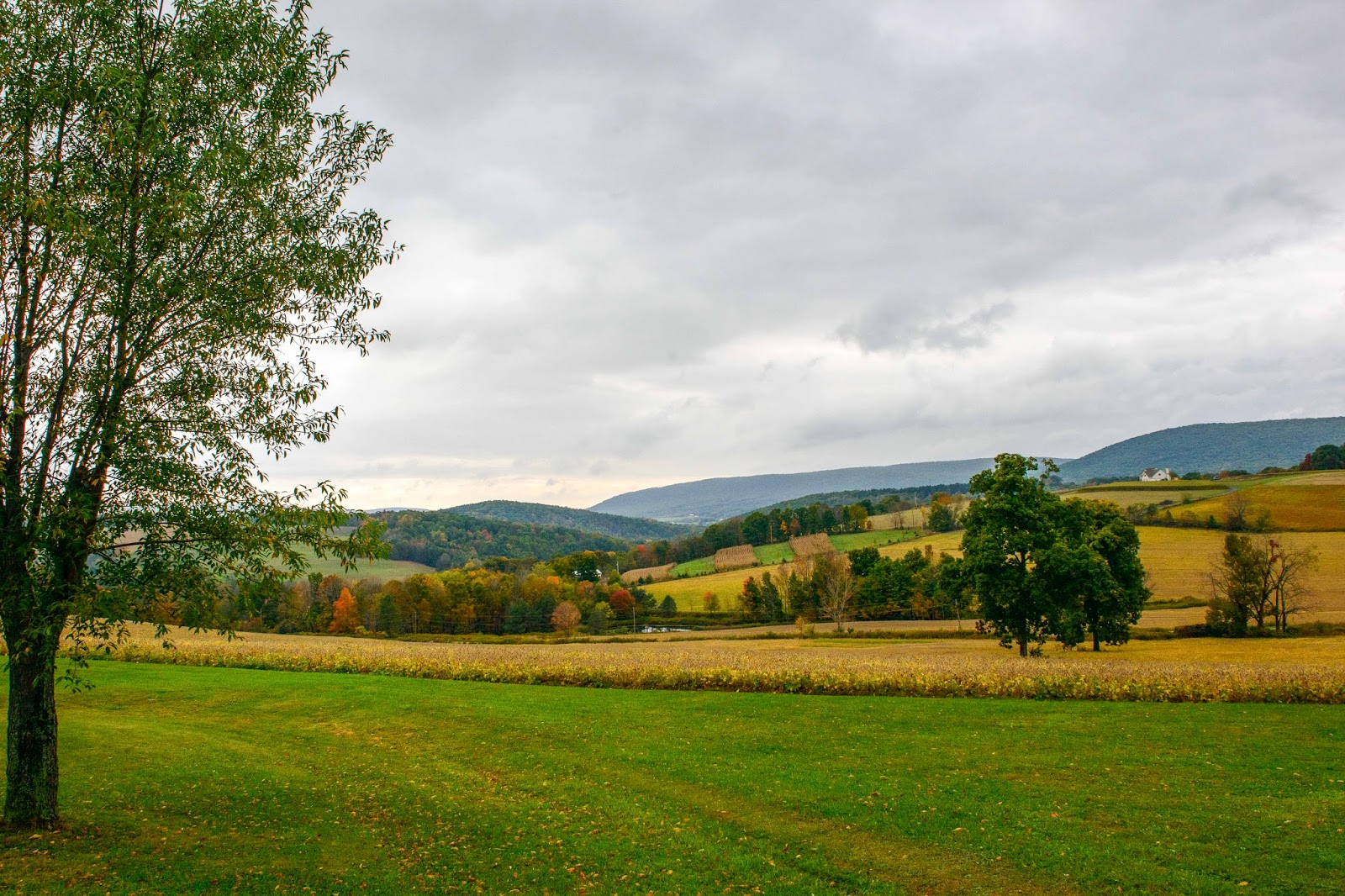
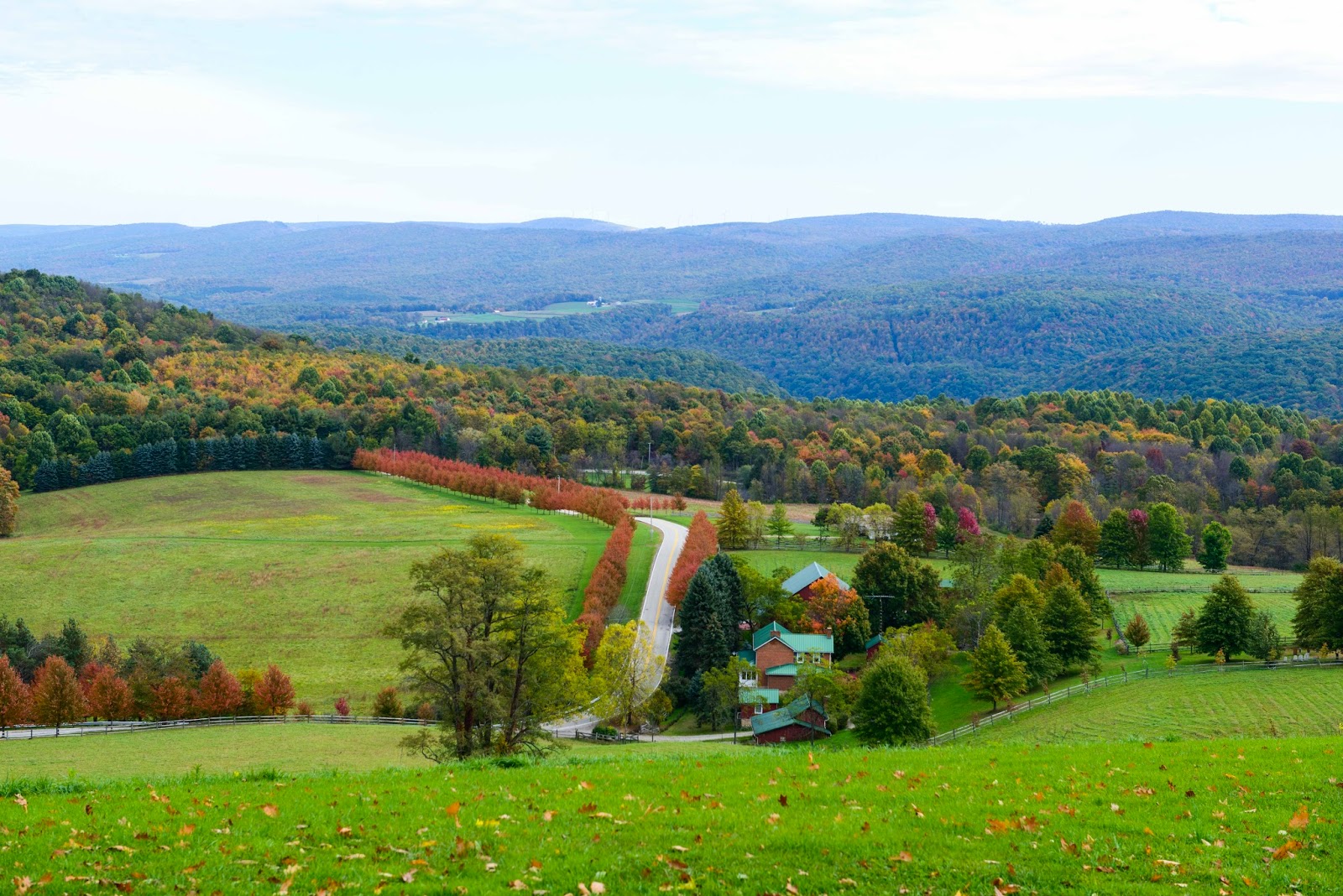
A view of the Singley Farm from above – the house (in the trees) and barn (and Magic!).  
Magic’s terrific parking spot….

…and the beautiful view from Magic’s front window.
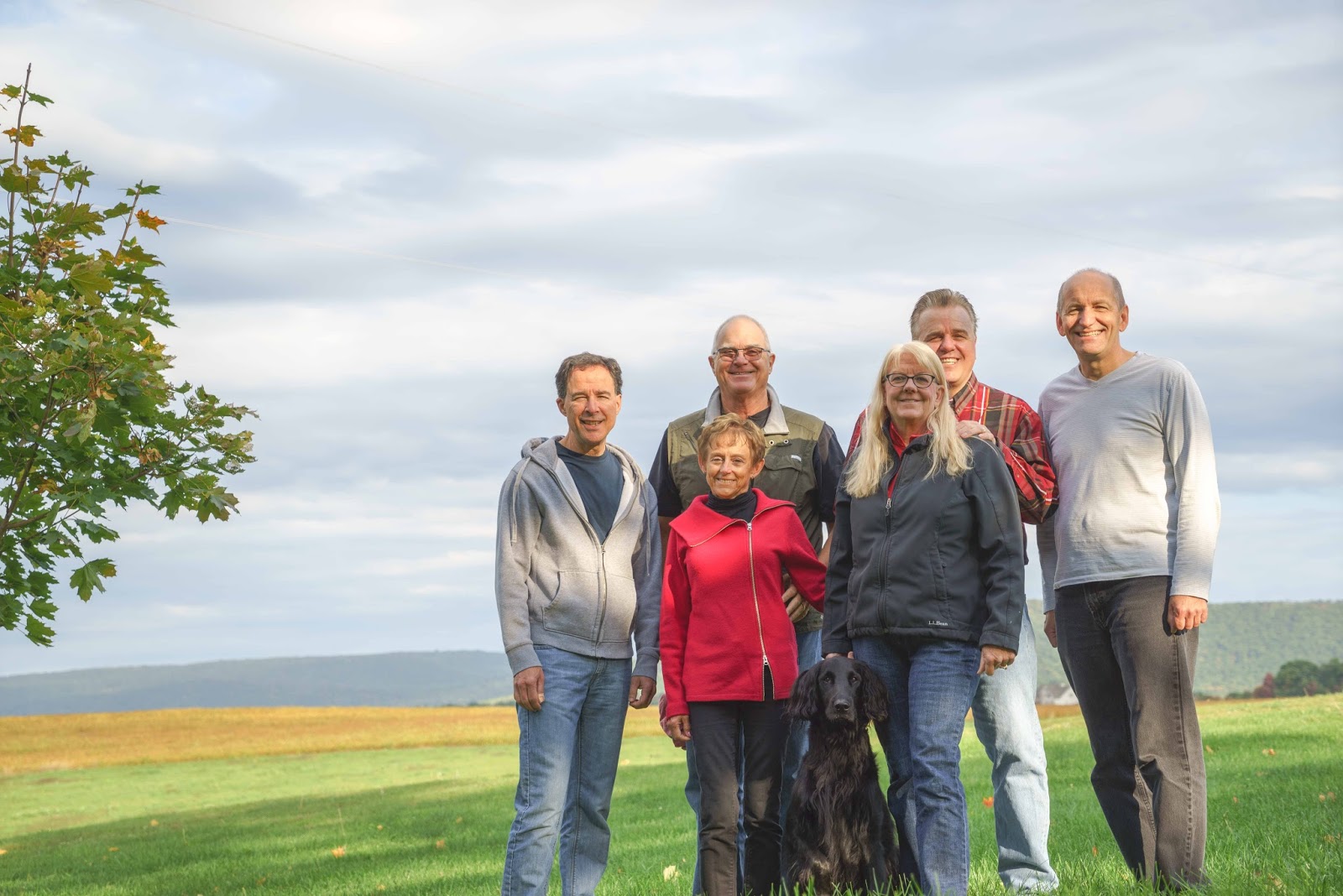
The ‘Gang’ –  Nancy, Mike and Maggie and our friends from Wisconsin, Chuck and Gary.

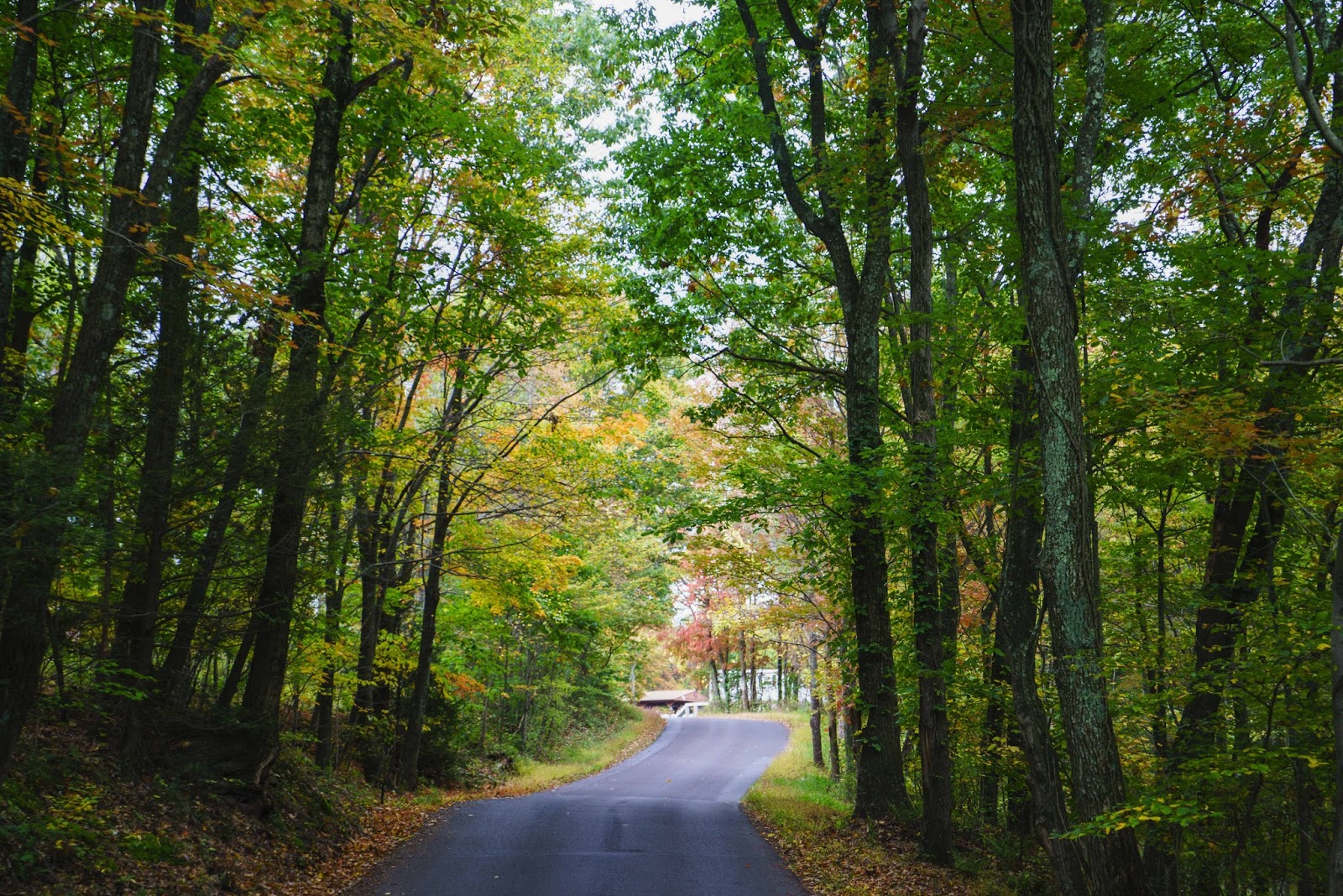
Even our departure was beautiful – AND NARROW!

A fabulous week-end!!  A BIG THANK-YOU to Nancy and Mike for sharing their home with us.

(We DID make a stop in Woodstock on our way to the Singley Farm.  The residents there are definitely still stuck in the 60’s!  Lots of fun.)

Heading West – Home in a week – E & G