Southampton is a very large cruise port with access to London. Therefore, one might find themselves wandering the streets of the old town along the old city wall with lots of other tourists;-( Or – perhaps they have all abandoned Southampton for a day trip to London. Either way, it is an interesting little city with some very old history to see.
The historic Cunard Cruise Line, Queen Mary 2, continues the original Cunard legacy as the only ship to consistently ply the historic transatlantic route between Southampton and New York on a regular schedule. In 1840, Samuel Cunard secured the first contract to carry mail by steamship between Britain and America. This line, still bearing his name, is a most recognized as are the ships – the QE2, the Mauretania and the unfortunate Lusitania (sunk at the outset of WWI).
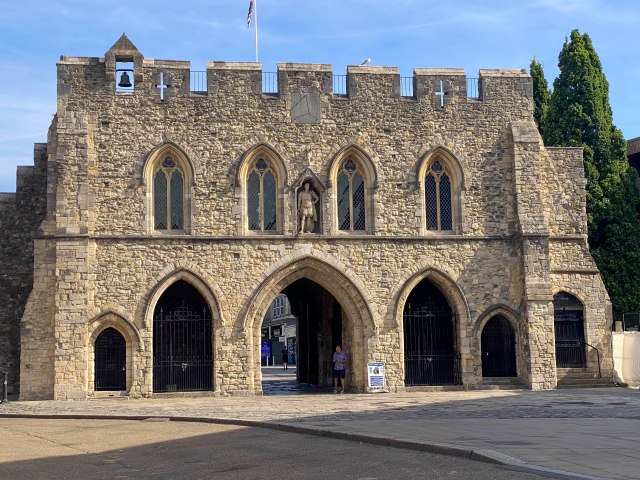
But, that is recent history! Early relics and sights stem from the 1100’s. Like the Bargate, which was built around 1180 and served as the entry to the city.
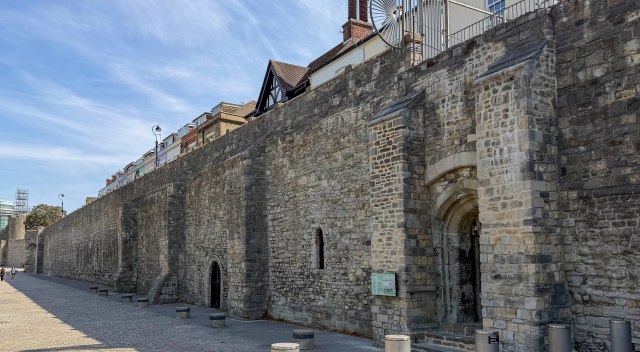
Advancing a few hundred years – One quiet morning in October, 1338, a fleet of ships silently entered the harbor and French and Genoese soldiers and mercenaries stormed the town. They attacked residents, looted their possessions and set fire to buildings. When Edward III heard about the raid and the loss of his wine and wool, he commanded a wall be built to protect against future attacks. Major portions of this wall are still evident, although the port waters are now much further away from them.
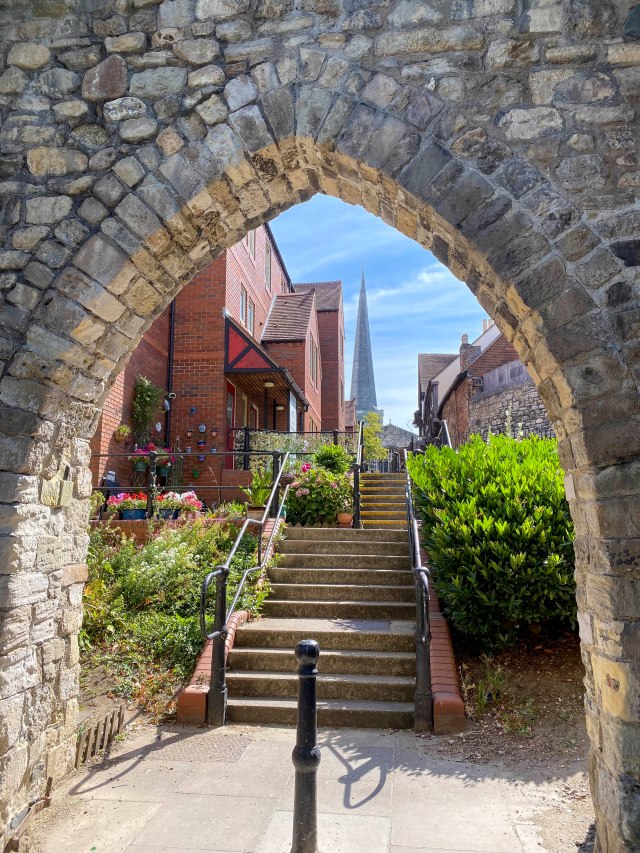
What is now a lovely little lane – Blue Anchor Lane – began at this stone arch and was used to take imported goods from the quayside into the market at St. Michael’s square in the medieval town.
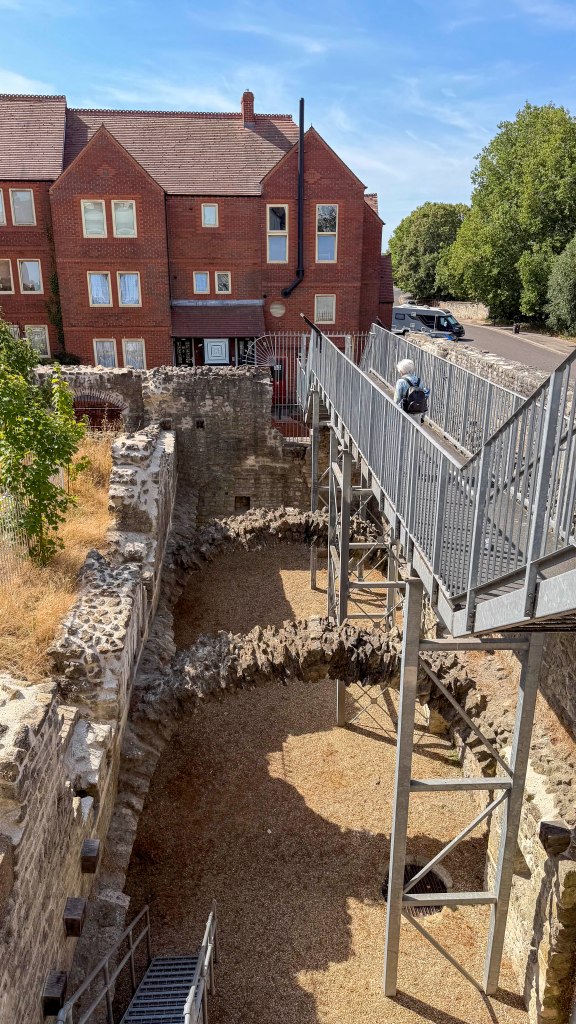
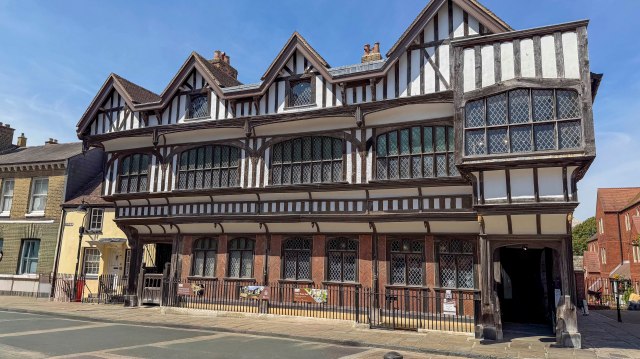
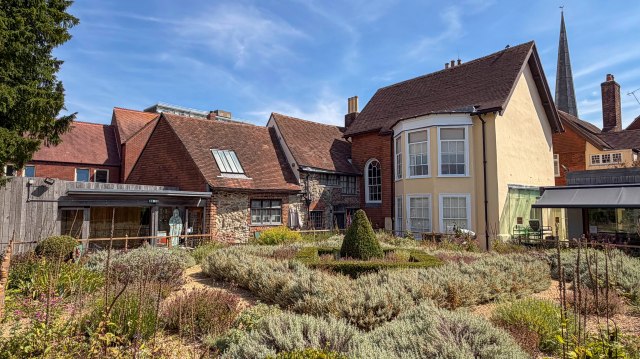
At the top of Blue Anchor Lane sits the Tudor House and Garden. This house actually began as King John’s Palace built in the 1100’s and its ruins still stand in the grounds of Tudor House, which was created on the site in 1491. At that time, Sir John Dawtrey, Controller of Customs for Henry VII, joined three smaller houses together. Over time, new owners made their own changes to the building – each making it more impressive to reflect their wealth and status. As is often the case, the house went thru bad times, fell into disrepair and was finally saved and restored. Today the building is a museum of days gone by.
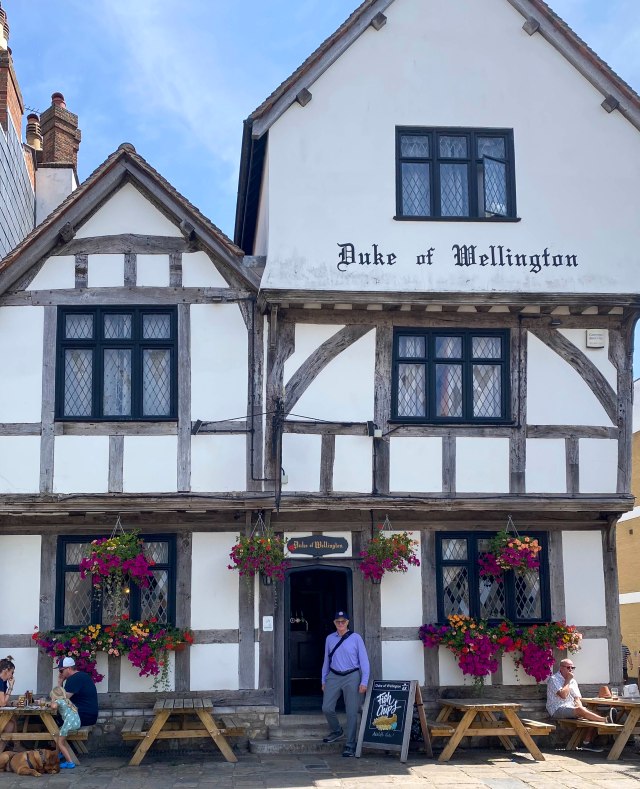
This particular visit to Southampton was on a Sunday, which apparently is “Sunday Roast” day in the restaurants. With your choice of meat (ham, beef, chicken or lamb) comes potatoes, vegetables, stuffing, yorkshire pudding and gravy! A suggestion was made to walk down the street from Tudor House to the Duke of Wellington Pub for Sunday Roast. Excellent suggestion! Don’t forget the sticky toffee pudding for dessert;-)
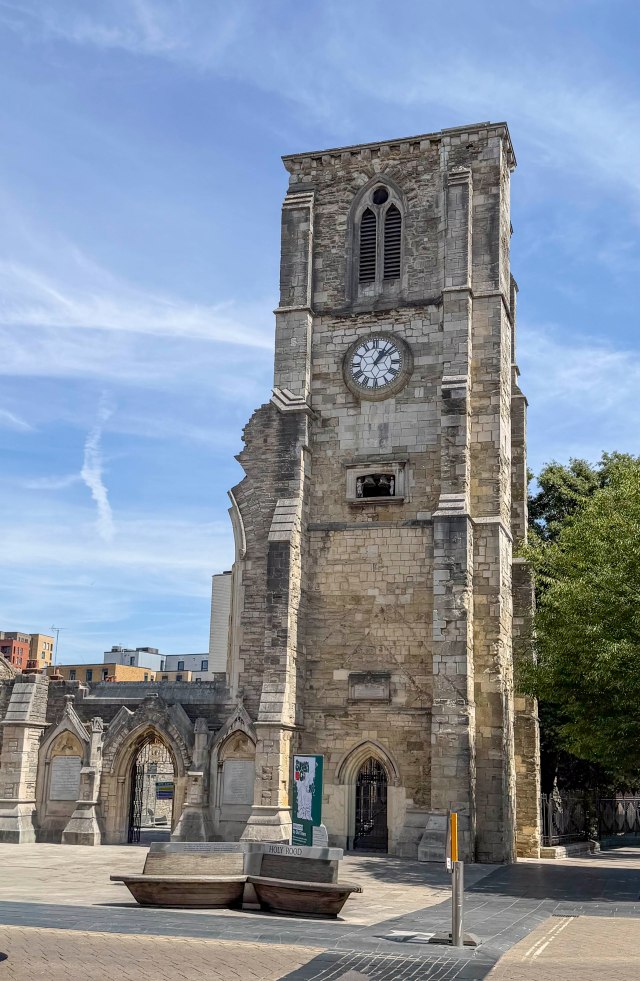
Just opposite Tudor House is St. Michael’s Church and Square, where the goods from the quay were taken to market.

Southampton was now in the rearview mirror and Portland was in our sights. Its harbor was made between 1848 and 1905. From its inception it was a Royal Navy base and played prominent roles during the First and Second World Wars. It was a departure point for troops during the Normandy invasion and ships of the Royal Navy and NATO countries worked up and exercised in its waters until 1995.
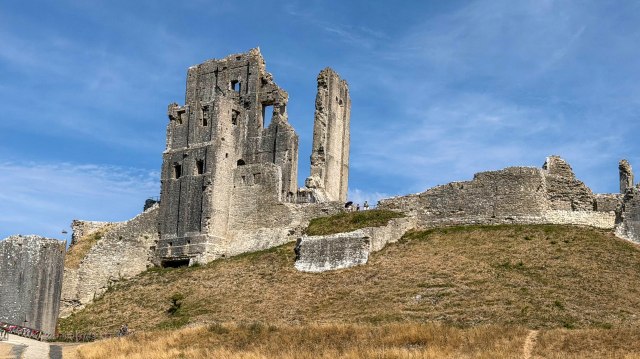
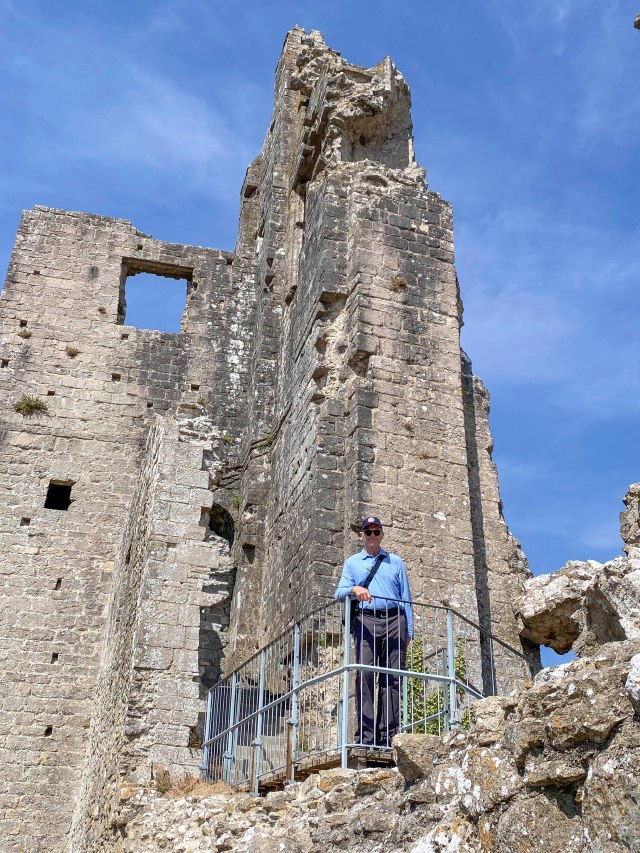
About an hours drive from Portland is Corfe Castle, impressive remains on the hillside, surrounded by a lovely little village. By 1106 Corfe Castle was one of the most fortified castles in England and a home for Henry I. But it was utilized more frequently for the imprisonment of various Kings’ relatives through the ages;-( In 1635 the castle was sold to the Lord Chief Justice, Sir John Bankes, whose family owned the property for 300 years until it was gifted to the National Trust. This now allows for visitors like us!



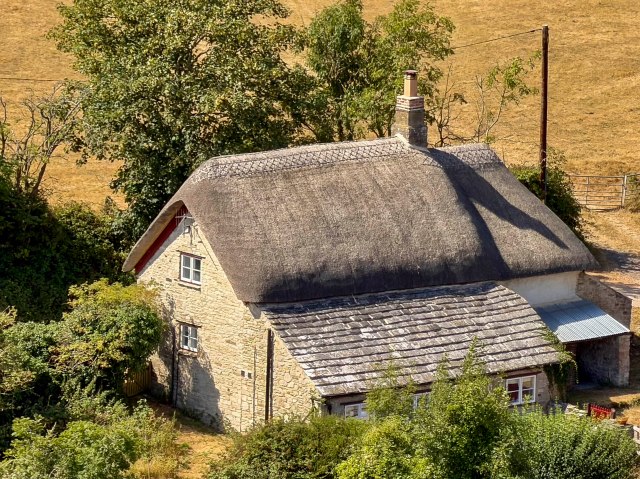
The surrounding village is quite quaint with many thatched roofed houses. An interesting story about these roofs: There are many little holes in the thatching which attract rats and mice. These in turn attract cats hunting them and dogs chasing the cats. Unfortunately, when it rains these roofs become quite slick and these animals will slide off giving the appearance from the ground that ‘it is raining cats and dogs’!
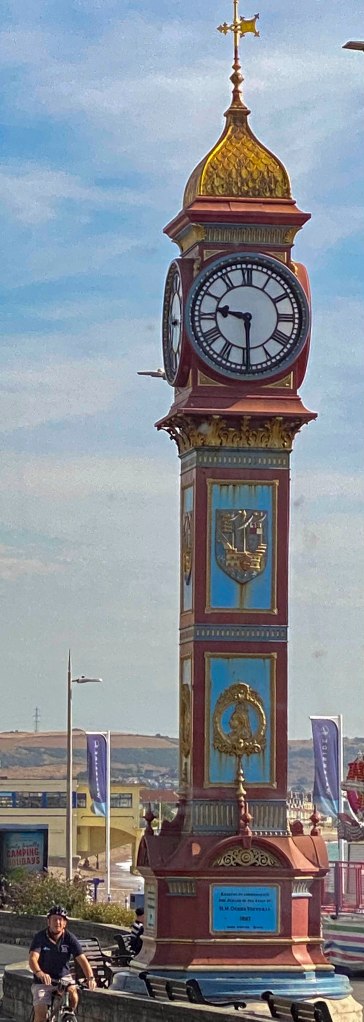
Back to Portland, a very crowded beach on this sunny day and Little Ben – –
A fast couple of days in southern England.
E & G – off to more of the UK
 Elizabeth & Gary's Magic Bus Tour