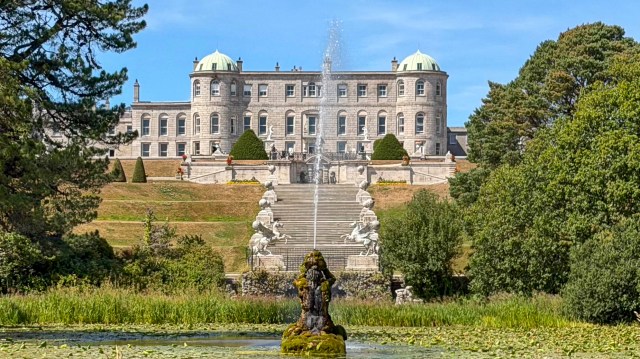
Just south of Dublin lies an area the Irish call the “Garden of Ireland”. It contains more than 30 public gardens, from small cottage plots to the sprawling 47 acres of Powerscourt. This area is normally lushly green and full of colorful flowers. Sadly – this visit displayed how affected the area is by draught;-(
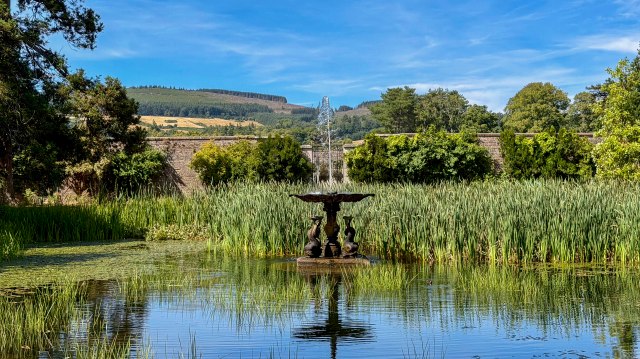
Powerscourt began as a 13th century castle – then the property was given to loyal supporters of Queen Elizabeth I in the late 1500’s. It was rebuilt in the 1700’s with sweeping Italianate terraces, statuary and ironwork. The Slazenger family (think tennis) acquired the estate in 1961 and two of the family still run it today. There is a luxury hotel, 36-hole golf club and, of course, the gardens. The landscape includes formal flower beds, ornamental lakes and a Japanese garden. The disappointment this trip was the lack of green due to lack of rain in the recent weeks. The grounds still provided a nice walk and wonderful sights.


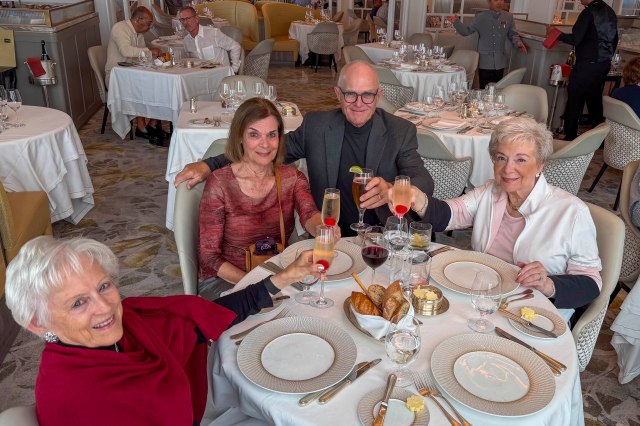
Tomorrow the sail will be into Belfast, Northern Ireland and that port will be another ‘turnover’ day as current passengers disembark and new ones board. So tonight there is a celebration with old friends – Diane & her sister Eleanor. It has been great fun sharing the last eleven days with them – and getting to share Diane’s birthday;-)

Belfast – a city that grew rapidly during the Industrial Revolution. Its shipbuilding industries grew rapidly taking along with it the rope and linen industries as these were necessary supplies for the ships built.
In 1861 Edward Harland acquired a shipbuilding company and then a partner in Gustav Wolff. Their company became Harland and Wolff and quickly gained a reputation for constructing high quality ships by combining new technologies with innovative naval architecture. Timing couldn’t have been better, as high levels of European emigration and the growth of American trade resulted in a soaring demand for new ships. By 1870, Harland and Wolff had established a long and profitable relationship with the White Star Line. The White Star Line (owned by J. Pierpont Morgan) and the British owned Cunard Lines were in competition to build the largest, fastest and more luxurious ships. Thus, the White Star Line planned to build three Olympic class ships – one of which was the Titanic. The Titanic Museum in Belfast brings all of this to life in a fantastic museum that should not be missed when in town.

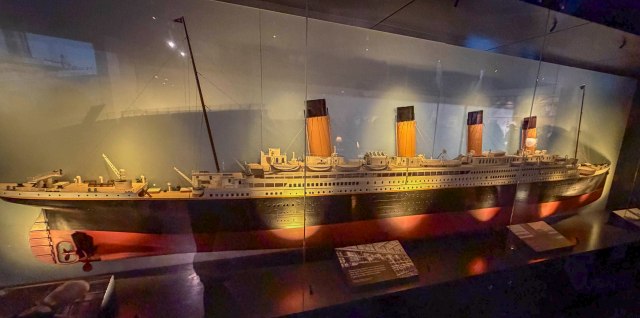
Both the Titanic and her sister ship, the Olympic, were built at the sight of the museum and the very dry dock where they were put in the water can be seen from one of the museum’s windows. When the Titanic was put in the water at this sight, it was only completed on the outside. It took another two years and 3,000 workers to outfit the interior of the ship and ready it for the beginning of its journey on April 2, 1912.
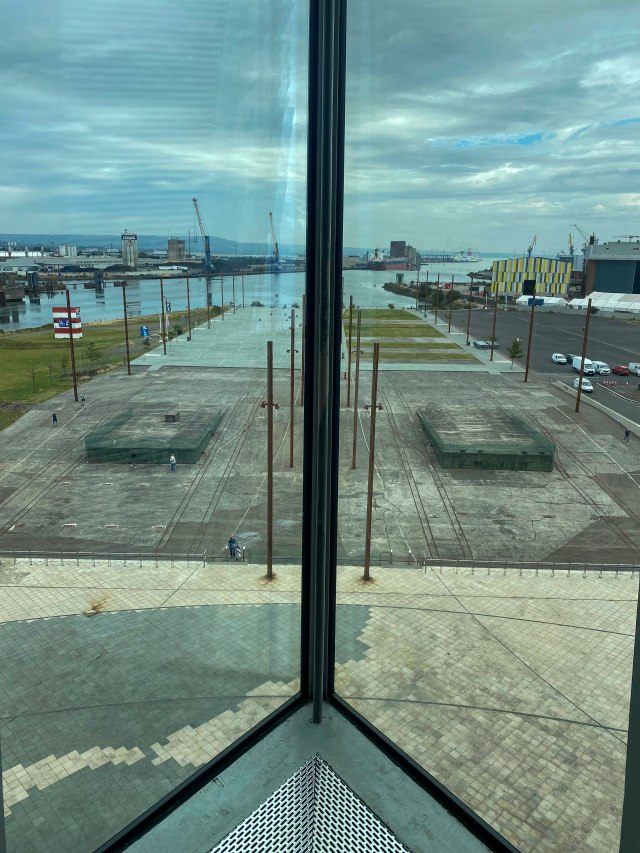
The very real displays and testimonials of survivors will give a visitor chills!
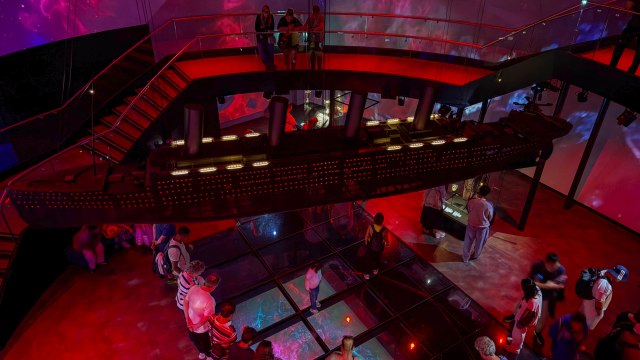
After this very somber look at Titanic’s ill fated cruise, wandering the outdoors around Belfast’s city center was a bit of a relief. A pedestrian area just off the City Hall corridor was quite lively with shops, restaurants and street performers.
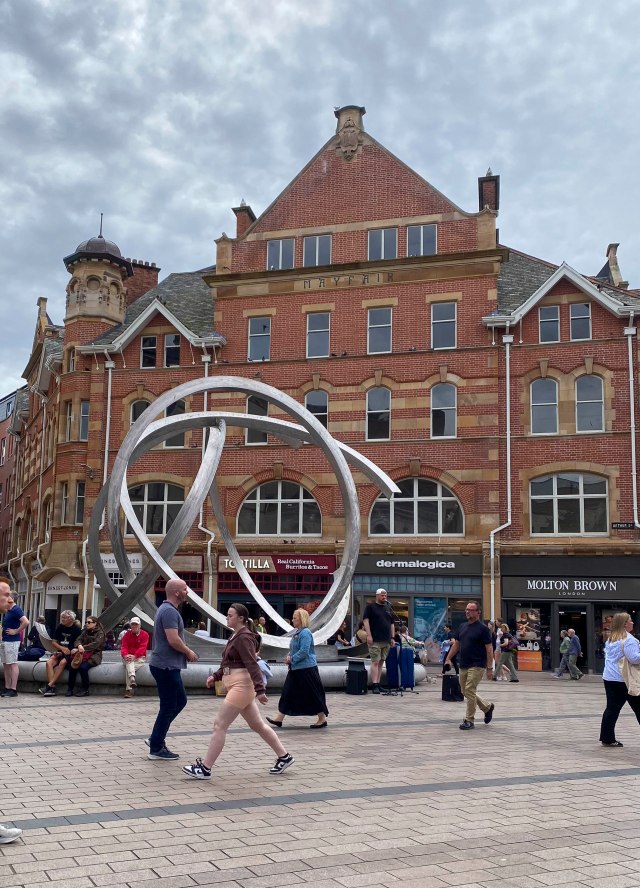
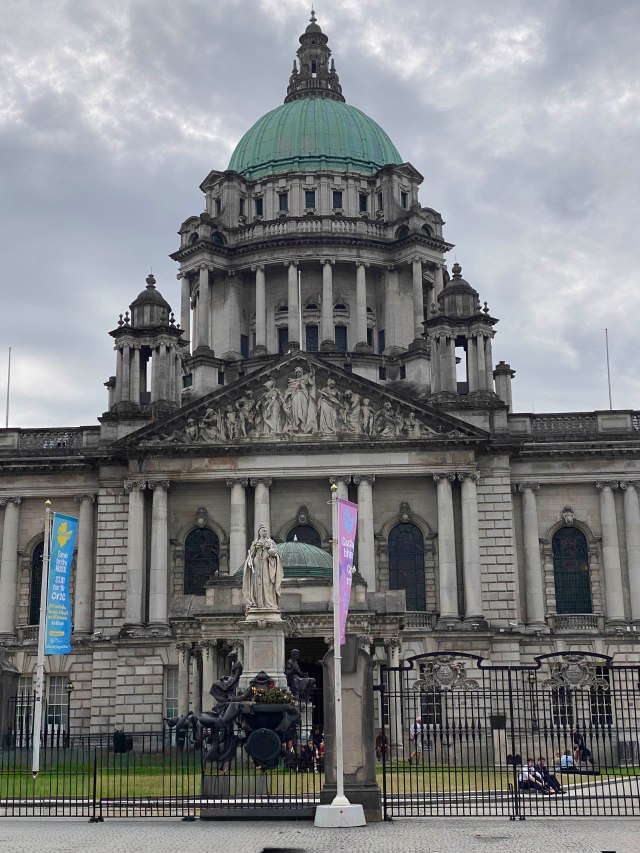
Two very different days – one serene and celebratory the other somber. Both incredible experiences. And, tonight our world may grow dark before night, as we are to see a 97% eclipse of the sun?!?!?! Oops – the clouds got in the way but it was a fun party;-)

E & G – fingers crossed for a more successful cruise than the Titanic

