There is a 60-million year old fault line in Northern Scotland that contains a beautiful glacier-gouged lake – the famed Loch Ness;-) Measuring 24 miles long and 755 feet deep, it is one of the largest ‘lochs’ in Scotland AND more importantly, home to Nessie! So – off to spot her.
The 1,500 year old Urquhart Castle ruins is a good place to search from as it sits atop a small promontory with great views of the lake. This unfortunate property passed from Scottish hands to the English and back again many times. Locals plundered the castle for building materials during its lifetime and wooden portions rotted away leaving little for historians to piece together to attain its history and usage. Between 1912 and 1922, after the castle passed into State care, it was tidied up, unintentionally removing important clues to its past.
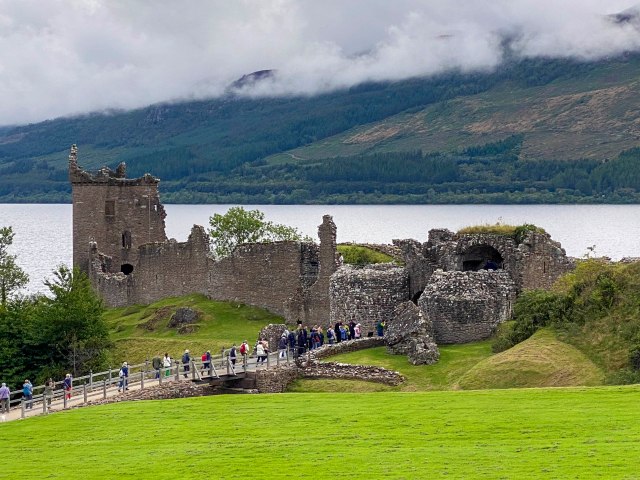
It has been determined that the Grant Tower, which housed the Grant family, was built some time after King James IV gave Urquhart to John Grant in 1509. The property was rewarded to Grant for his support of the monarch in his struggle against the MacDonald Lords of the Isles. Climb as high as you like for wonderful views of the loch – and perhaps a sighting of Nessie;-)

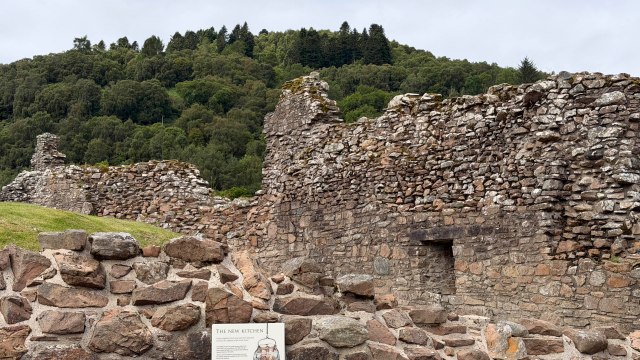
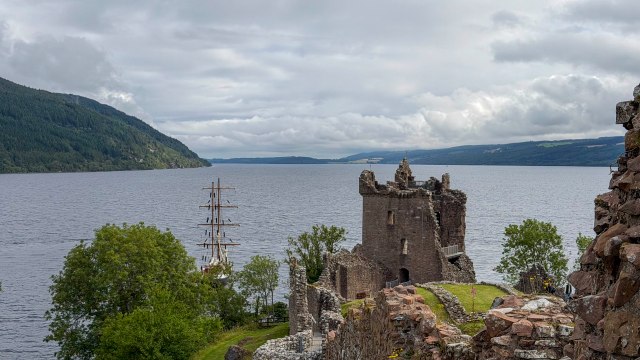
Sadly, there was no spotting of Nessie. Perhaps there was not enough of that prevalent Scotch Whisky taken in to aide in the spotting;-) So, she was safely hidden for another time.
Not too far down the road was another castle. This one in much better condition although it was originally constructed over 600 years ago and is still home to the latest of 23 generations of the Cawdor family – Cawdor Castle. The rectangular tower-house (the original portion of the castle) consisted of four stories and a garret with only one entrance to the outside. It was built around a holly tree (still in the basement – now petrified – and has been dated to 1372) and had a secret dungeon only recently discovered!
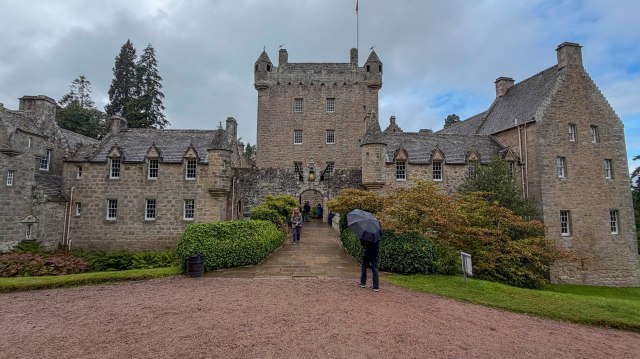
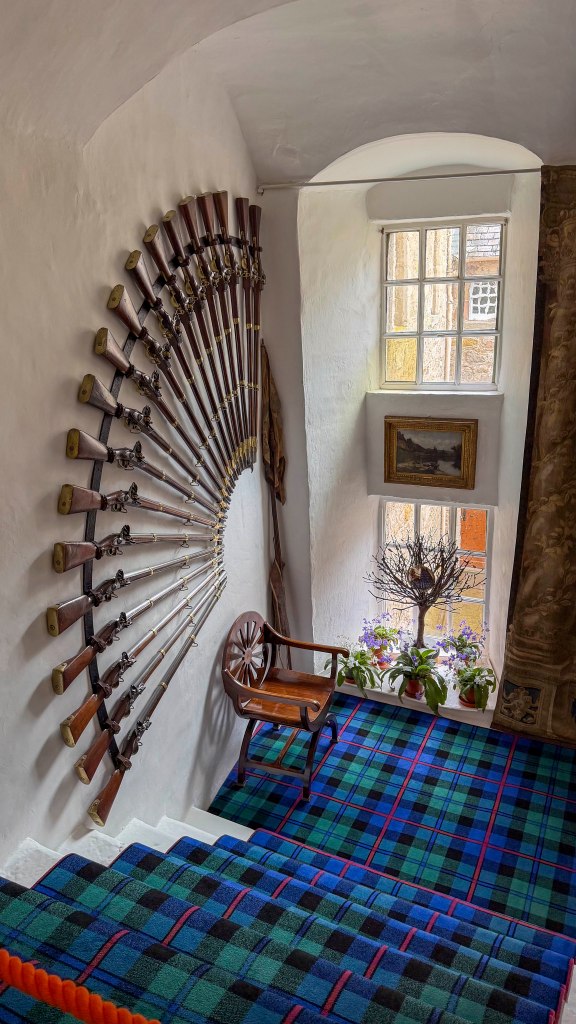
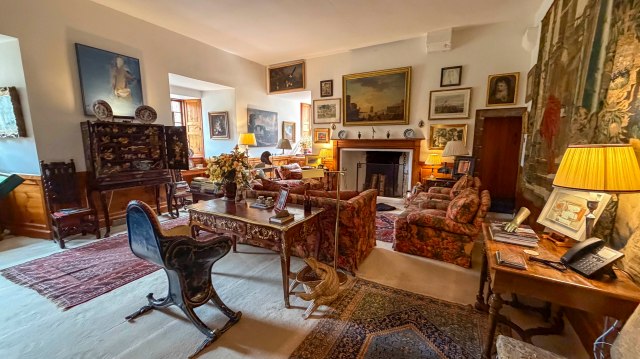
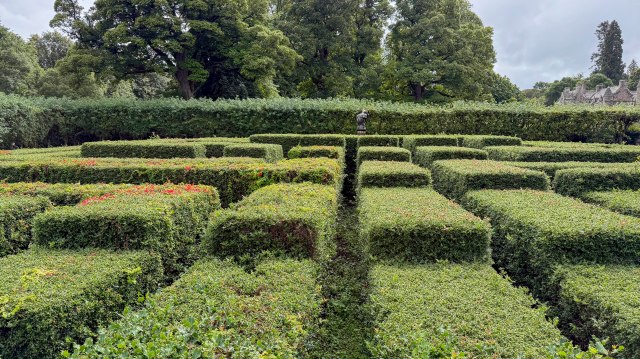
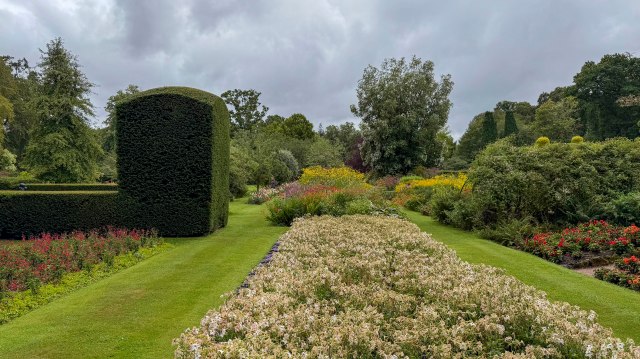
The Gardens of the Cawdor Castle are quite special. The Walled Garden is the original kitchen garden and the oldest at Cawdor. It was remodeled in 1981 by the current owner, the Dowager Countess of Cawdor, and contains Symbolic gardens and a sculpted maze containing over 1200 holly plants.
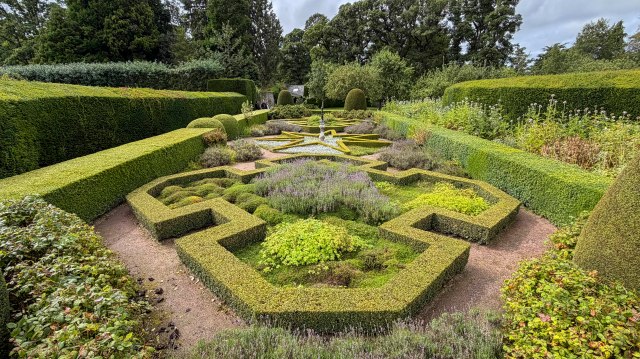
The Flower Garden was laid out around 1710 – most likely influenced by travels to Poitiers, Blois and Paris, France.

While it is time to leave the beauty and myths associated with Northern Scotland behind, it would be remiss not to mention the major influences that the Vikings had on the entire northern region, including the UK and Iceland. They ruled many of the sea lanes around the northern isles and were responsible for establishing and settling ports that developed into many of the villages, towns and cities visited on this cruise. They also contributed to the language and verbiage used by many of the countries visited. These prior two sentences condense down the hundreds of years of Viking influence. Every tour taken during the past couple of weeks mentioned the Viking influence in the area. Raiders or settlers they had profound effects on the world they left behind.
Now it is time to leave Northern Scotland and all its beauty behind. Perhaps we’ll be back another day – to complete that NC-500;-)
E & G – Loved Scotland and all its GREEN

