Are you surprised that our cruise ship took us to Berlin? Well, it didn’t exactly. The port is Warnemunde and the transportation (bus) to Berlin is 2 1/2 to 3 hours each way. On previous trips this has been an ‘opt out’ decision but, the time had come to bite the bullet and check out what had been heard and read about as youths and try to make some sense of it all. There is NO sense to it – but here is the experience.
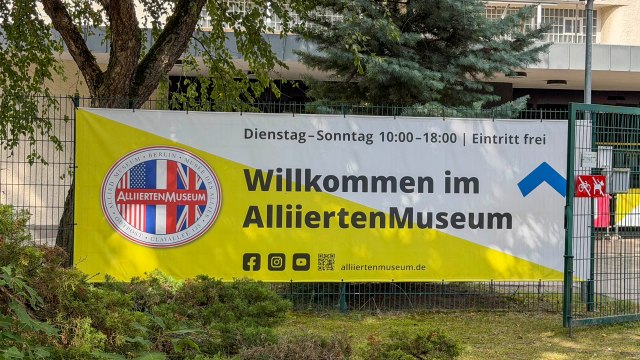
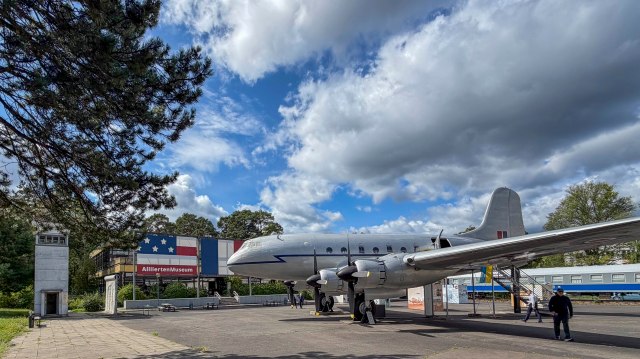
The Allied Museum is a great place to start for a good foundation. An excellent guide will also help the process especially if they are Berliners and lived through it all.
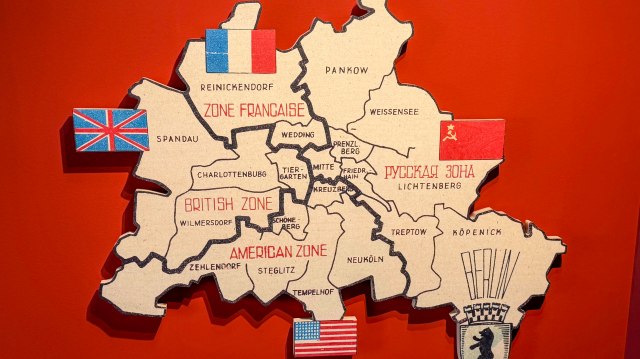
It has always been hard to understand how a city in the middle of an area occupied/run by ONE country (Russia) could be split amongst FOUR countries?!? And yet – that’s what the ‘powers that were’ did. Apparently without much thought of how the infrastructure of things like trains that ran underground through the various areas would be accommodated. Almost 15 years after the end of the war and East Berliners leaving in droves, Russia decided a good way to keep them from leaving was to build a wall around the ‘free’ portions of the city that sat in the middle of the Russian controlled country. Seems the answer is always – Build A Wall?!?
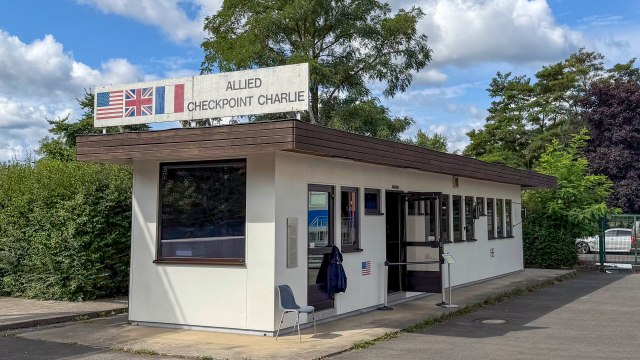
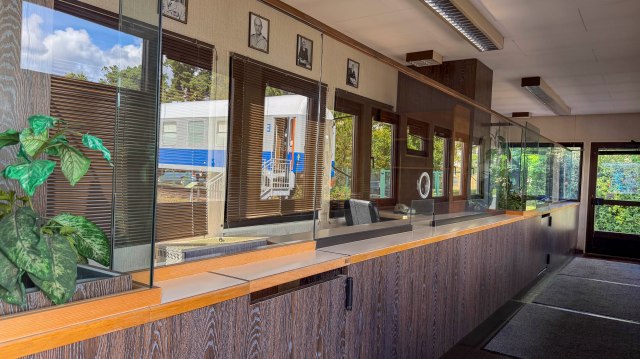
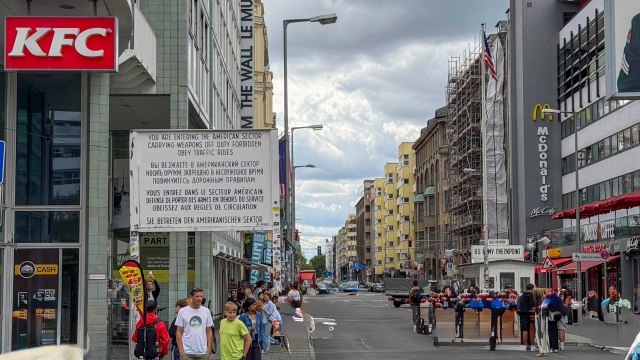
Now – in order to pass into the ‘free’ areas of the city, one had to pass through checkpoints with appropriate documentation. To gain access to the US portion of the city one came through Checkpoint Charlie (Britain=Alpha, France=Beta and US=Charlie). The Checkpoint Charlie building looks much like an early passport control facility and now resides on the Allied Museum grounds with a small replica at the original location.
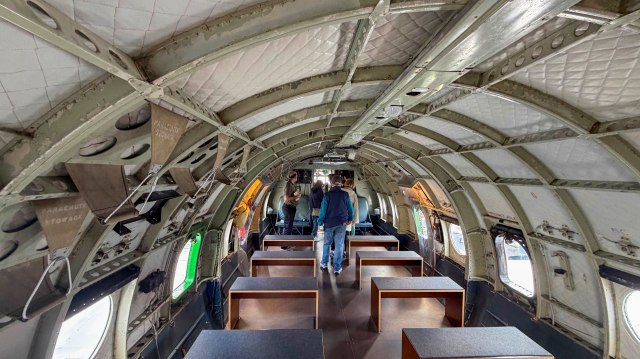
One way for Russia to eliminate these pesky three countries from ‘residing’ in the middle of their country was to not allow supply trucks to cross the rest of East Germany to the the city or not let Allied planes land at the airport, which was in East Berlin. Sooner or later the Allied’s would get frustrated and leave – right?? NO! Airlifts began to drop supplies into the three allied quadrants of the city and sometimes they would drop chocolates. One of the planes utilized for this purpose is also at the Allied Museum.
And then there is the wall. As noted before, the wall was built long after the war ended and was constructed around the Allied portion of the city. It first went up as chain link, which was done almost overnight. East Berliners were shocked when they woke up the next morning and could no longer move as freely. The more secure block wall was constructed over years and there were actually two walls with the section between the two called ‘No Man’s Land’ or ‘Death Strip’. Many were shot trying to climb over the wall into the Allied territory of West Berlin.
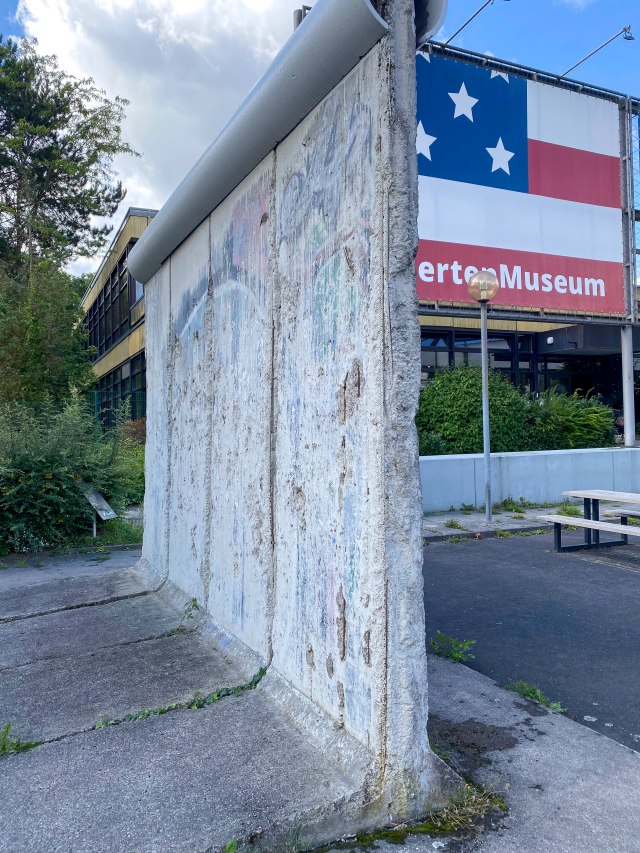
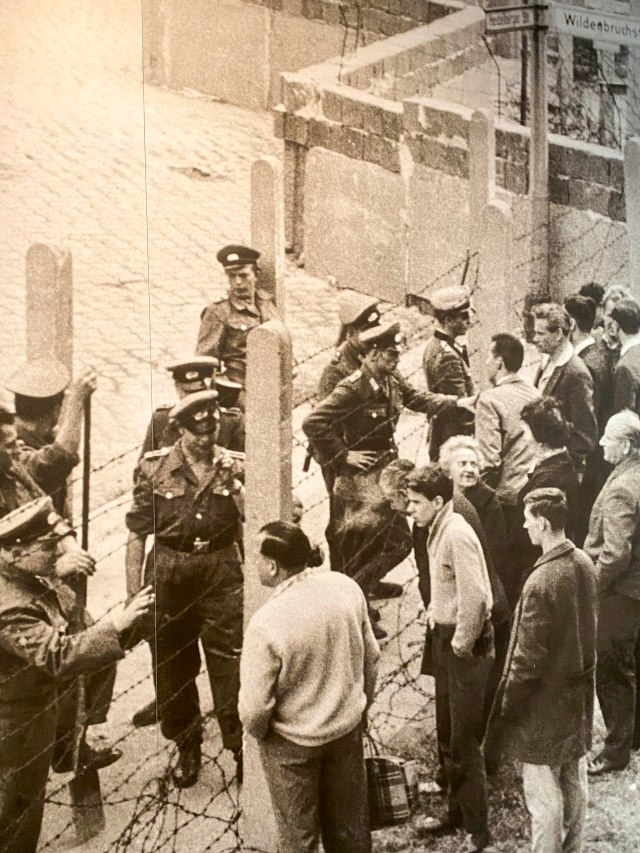
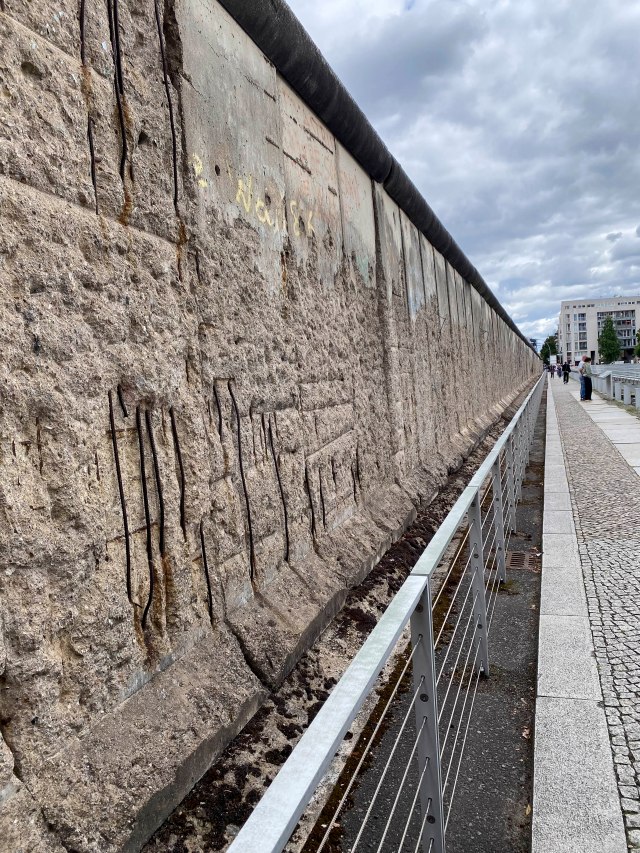
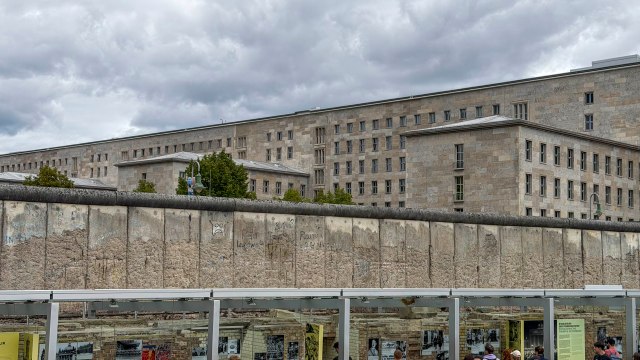
Not far from the remaining portion of the wall is the original location of Checkpoint Charlie and everything American – KFC and McDonalds;-)
Because so much happened in this country and this city, there are many reminders, tributes and memorials around Berlin to those who served in many different ways, to those who lost loved ones and to remember horrific acts in the hopes they never happen again.
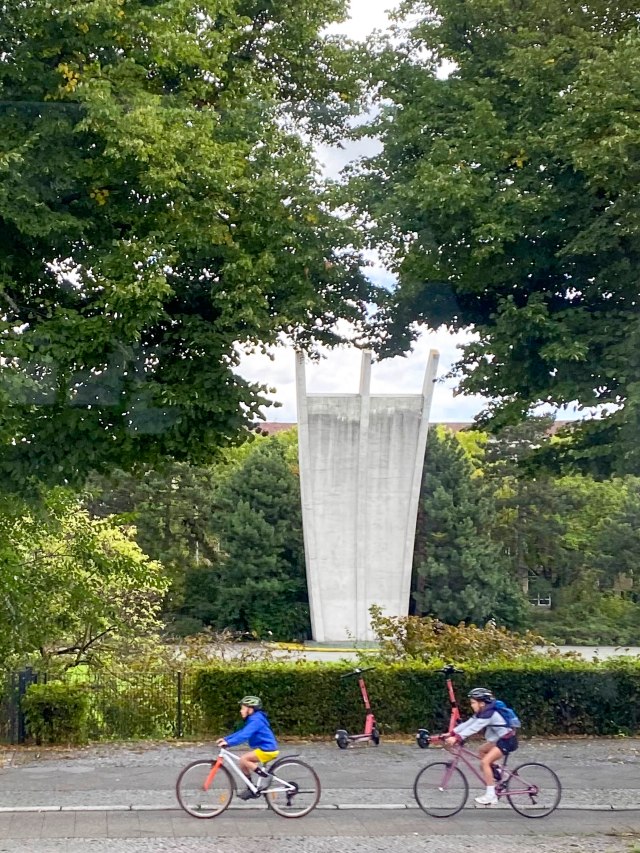
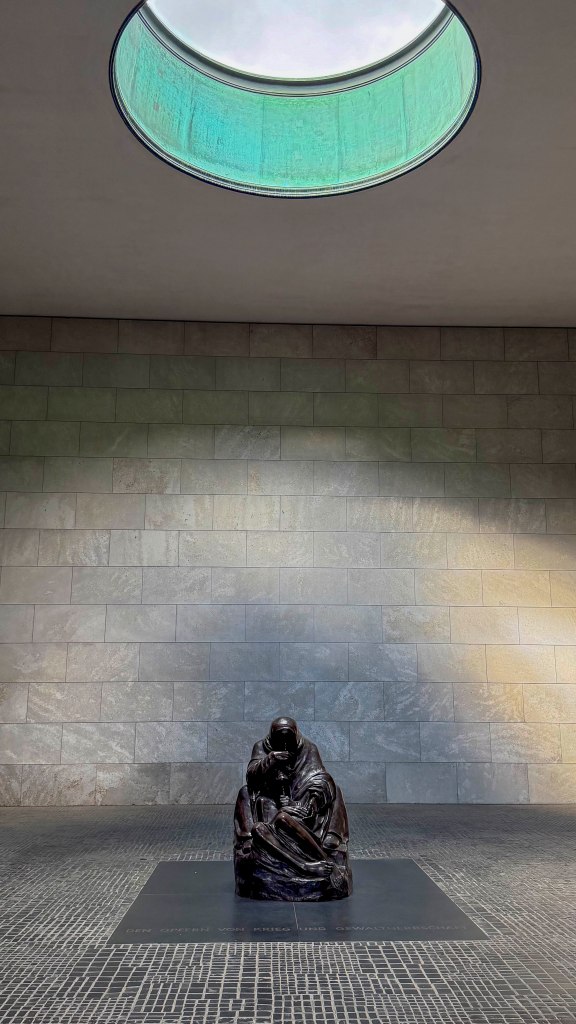
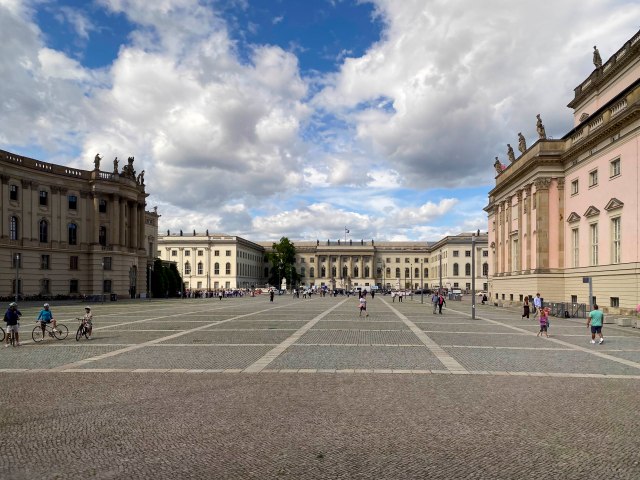
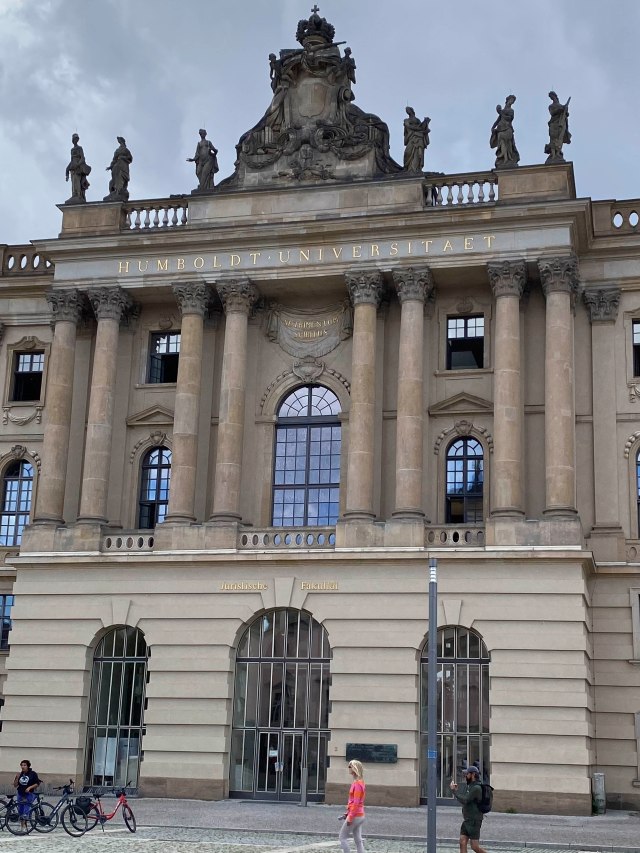
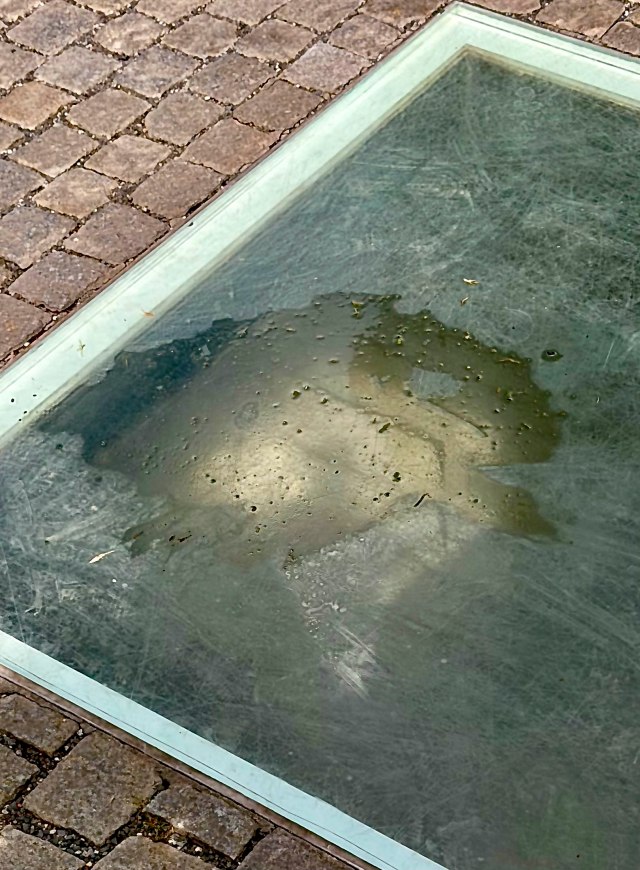
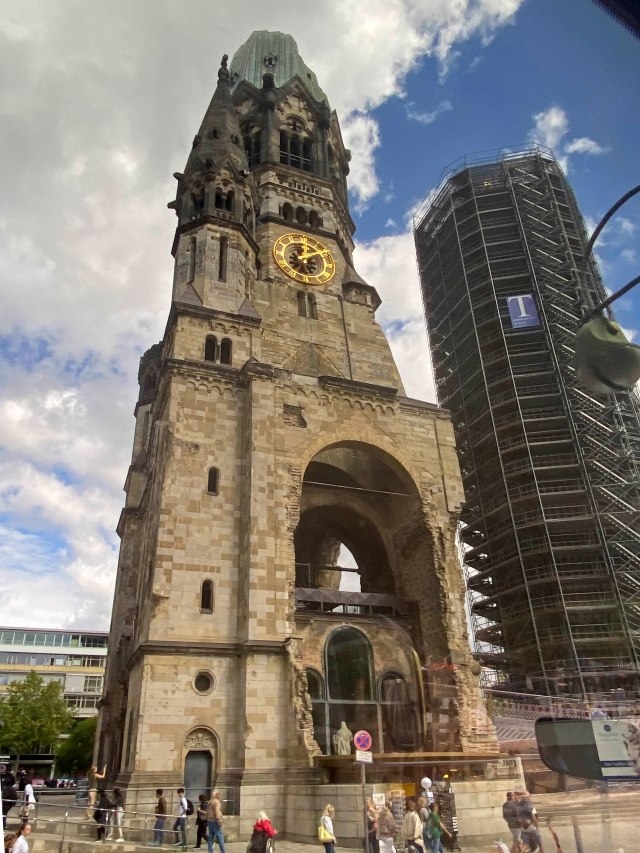
Along with the reminders is some peace and tranquility.
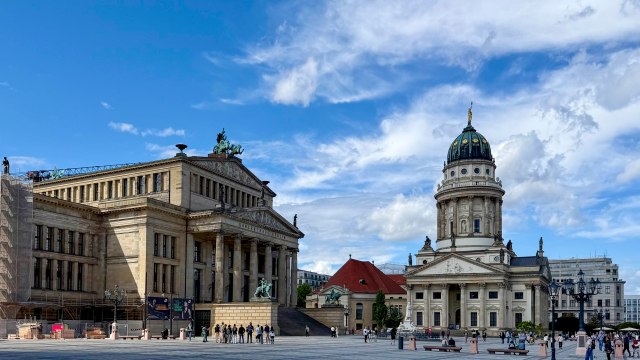
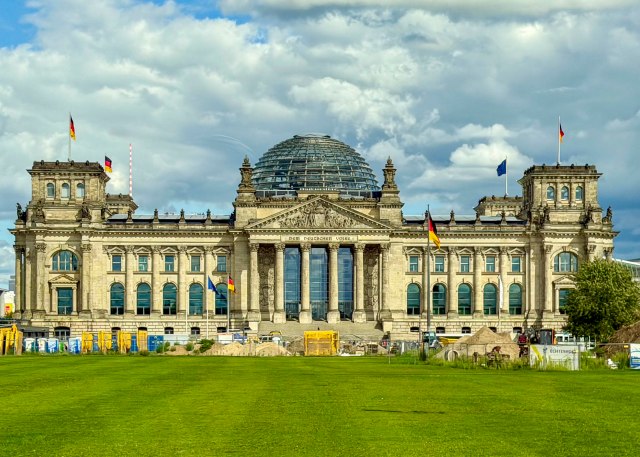
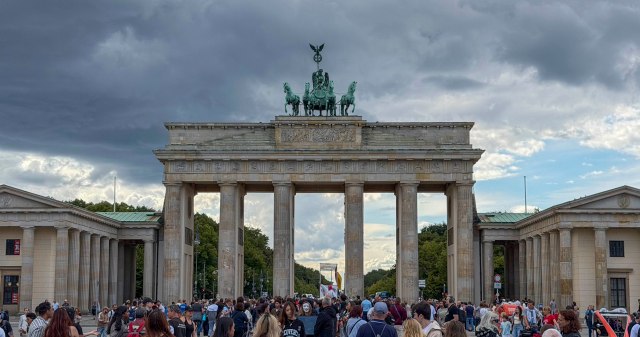
A fitting end to the day is a stop at the Brandenburg Gate, which sat on the dividing line between East and West Berlin. Originally built in the late 1700’s to symbolize peace’ this is where Reagan delivered those famous words – “Mr. Gorbachev, tear down this wall!” Thankfully just a little more than two years later, the Berlin wall was torn down and the path was cleared for the reunification of Germany.
This day was overwhelming but incredibly educational and emotional in many ways. War is an incredible waste of lives, money, resources and so much more. Yet it seems the answer is always fight, build a wall, contain THOSE people. I have yet to figure out the reasoning for this thought and hope some day those making the decisions will see the light and there might be peace on this earth.
E & G – with many lessons learned as we travel this earth

